

 Español


Photochromic Lens Lifespan: The Practical Answer
Photochromic lenses usually deliver dependable daily performance for about two to three years. Many wearers still get useful color change beyond that point, but the performance is rarely identical to day one. The lens may darken more slowly, lose some maximum darkness, fade back with a slight tint, or show surface wear that makes the photochromic effect feel weaker.
For a clear expectation: treat 24 to 36 months as the normal service window for daily-wear photochromic lenses, 12 to 24 months as a realistic range in hot climates or high-UV outdoor use, and three to five years as a best-case outcome when the lenses are well cared for, worn less often, and kept away from heat. A photochromic lens does not simply stop working on a fixed date. It ages through UV exposure, heat cycles, cleaning habits, coating condition, and the base material itself.
Typical useful life for photochromic lenses worn indoors and outdoors every day.
Faster fade is common when lenses sit in cars, near heat, or in strong sun for long periods.
Possible when lenses are cleaned properly, stored well, and not exposed to high heat.
What “Last” Means for a Photochromic Lens
Lens lifespan is not only about whether the lens still changes color. Four performance markers matter, and each one can decline at a different rate. When one marker drops, the lens can still be usable, but the experience changes.
- Activation speed: how quickly the lens darkens when you step into sunlight.
- Maximum darkness: how dark the lens becomes in strong outdoor light.
- Fade-back speed: how quickly it returns to a clear or near-clear state indoors.
- Residual tint: whether a light gray, brown, or green cast remains after fading.
A lens that darkens well but fades slowly can be annoying indoors. A lens that fades quickly but no longer gets dark enough may be fine for brief outdoor walks but poor for driving or bright coastal light. Surface scratches and coating damage also reduce visual comfort even when the photochromic chemistry still works. That is why replacement decisions should consider vision quality, not just color change.
| Age and use pattern | Typical behavior | Practical impact |
|---|---|---|
| First 6 to 12 months | Fast activation, strong darkness, quick fade-back. | Best overall balance for daily indoor and outdoor wear. |
| 12 to 24 months | Slightly slower fade-back in cool conditions; still strong outdoors. | Most wearers notice little difference unless they compare side by side. |
| 24 to 36 months | Maximum darkness may drop; residual tint becomes easier to see. | Replacement becomes worthwhile if indoor clarity or night vision matters. |
| 36 months and beyond | Color change may still occur, but speed and darkness are less consistent. | Keep as a backup pair only if the lenses remain scratch-free and comfortable. |
Why Some Photochromic Lenses Last Longer Than Others
Two lenses can look identical in a display case and age very differently. The biggest differences come from how the photochromic chemistry is integrated into the lens, the base material, the coating package, and the conditions in which the lenses are worn.
Material and construction
Photochromic performance can be built into the lens material or applied through a surface-related process. In general, lenses with the chemistry distributed through the material tend to hold their color-changing behavior more consistently over time, while surface-based systems can be more sensitive to coating wear. The practical takeaway for buyers is simple: ask how the photochromic function is produced, not only what color it turns. A well-made 1.56 photochromic lens and a well-made 1.60 photochromic lens can both perform well, but the base material affects weight, impact resistance, optical clarity, and how the lens responds to temperature.
Heat is the quiet lifespan shortener
High heat is one of the most overlooked causes of early photochromic fade. A car dashboard in summer can reach temperatures that are far above normal wearing conditions. Leaving photochromic glasses on a dashboard, near a heater, or in a hot glove box repeatedly can reduce performance. The lens may not crack, but the photochromic response can become slower or weaker.
UV exposure and outdoor habits
Photochromic lenses are designed to respond to UV light, so regular outdoor use is normal. The problem is cumulative UV load combined with heat and poor storage. Someone who works outdoors all day, every day, will usually see performance changes sooner than someone who wears the same lenses mainly for commuting and weekend errands. For more detail on environmental effects, see this guide to external factors that affect photochromic lenses.
How Long Photochromic Lenses Last in Real-World Conditions
The ranges below are practical field expectations, not laboratory guarantees. They help set a replacement budget and avoid judging a lens by a single bad day in cloudy weather.
These bands shift with lens care. A pair kept in a protective case and cleaned with proper lens spray can remain visually comfortable long after the photochromic effect has softened. A pair cleaned on a shirttail, left face-up on a desk, or wiped with a dry tissue can develop scratches that make replacement necessary before the photochromic chemistry has reached the end of its useful life.
Signs Your Photochromic Lenses Are Aging
Most wearers do not notice a sudden failure. They adapt gradually. The signs below are the ones that usually justify a closer look or a new pair.
If the only issue is a slight tint after fading, the lenses may still be acceptable for casual outdoor use. If the issue affects indoor clarity, night driving, or comfort in bright light, replacement is usually the better choice. Some wearers ask why their lenses no longer get dark enough; this explanation of why photochromic lenses may not get dark enough covers common causes, including heat exposure and lens age.
A Simple At-Home Check for Photochromic Performance
You can make a practical assessment without special equipment. Use the same light conditions and a watch, then compare the result with how the lenses behaved when they were new.
- Place the glasses on a white sheet of paper indoors, away from direct sun, and wait 10 minutes.
- Note whether the lenses look completely clear, slightly tinted, or clearly shaded.
- Take them outside on a bright day and time how long they take to reach a comfortable dark state.
- Bring them back indoors and time how long they take to fade.
- Repeat on a second day to avoid judging by one unusual weather condition.
A healthy pair should darken within a reasonable outdoor adjustment period and fade back enough for comfortable indoor vision. Exact times vary by product, temperature, and UV strength. If the lens remains visibly tinted after 10 to 15 minutes indoors, or if one lens behaves very differently from the other, the pair is aging unevenly or has a material or coating issue.
Care Habits That Extend Photochromic Lens Life
Good care will not make a photochromic lens last forever, but it protects the surface and reduces unnecessary heat exposure. The goal is to preserve both the photochromic response and the optical clarity of the lens.
Clean with the right sequence
Rinse loose dust first, then use a lens spray and a clean microfiber cloth. Wiping a dry lens with a tissue or clothing can grind particles across the coating. Over time, those fine marks create haze and make the lens feel older than it is.
Control heat and storage
Do not leave photochromic glasses on a car dashboard, near an oven, or in direct sun for long periods. Use a hard case when the glasses are not being worn. If you keep a spare pair in the car, place it in a shaded storage compartment rather than on the seat or dashboard.
Avoid harsh chemicals
Household glass cleaner, acetone, alcohol-heavy solutions, and abrasive cleaners can damage lens coatings. Use products intended for optical lenses. If the lenses are exposed to salt water or sweat, rinse them with clean water and dry them with a soft cloth.
Repair, Keep, or Replace?
Photochromic lenses cannot be restored to their original color-changing performance once the chemistry has aged. Coatings can sometimes be reapplied by a specialist, but that does not renew the photochromic function inside the lens. If the main problem is scratches and the color change is still strong, a coating service may be worth asking about. If the main problem is weak darkening or slow fade, replacement is the realistic path.
Use a simple cost-per-year view. A pair that costs a moderate amount and performs well for three years may be better value than a cheaper pair that loses useful performance in 18 months. For daily wear, comfort and UV protection matter more than stretching the lens beyond its useful optical life. For occasional wear, a carefully stored pair can reasonably remain in service longer.
Choosing a Photochromic Lens With Better Long-Term Value
When you compare photochromic lenses, look beyond the phrase “photochromic.” Ask about the base material, the available coatings, the intended use, and the warranty terms. A lens that suits a commuter may not suit a golfer, a driver, or someone who works near bright windows all day.
Match the refractive index to the wearer
Higher-index lenses can keep a strong prescription thinner and lighter, while 1.56 and 1.60 lenses remain practical choices for many everyday prescriptions. Polycarbonate is useful where impact resistance matters. The photochromic function should be selected together with the prescription, frame size, and visual needs, not as an afterthought.
Green Stone Optical manufactures photochromic lenses across several material and coating options, including blue-block photochromic, polycarbonate photochromic, and progressive photochromic designs. For optical labs and eyewear professionals, the 1.56 photochromic lens with SHMC coating is a straightforward option for everyday prescriptions.
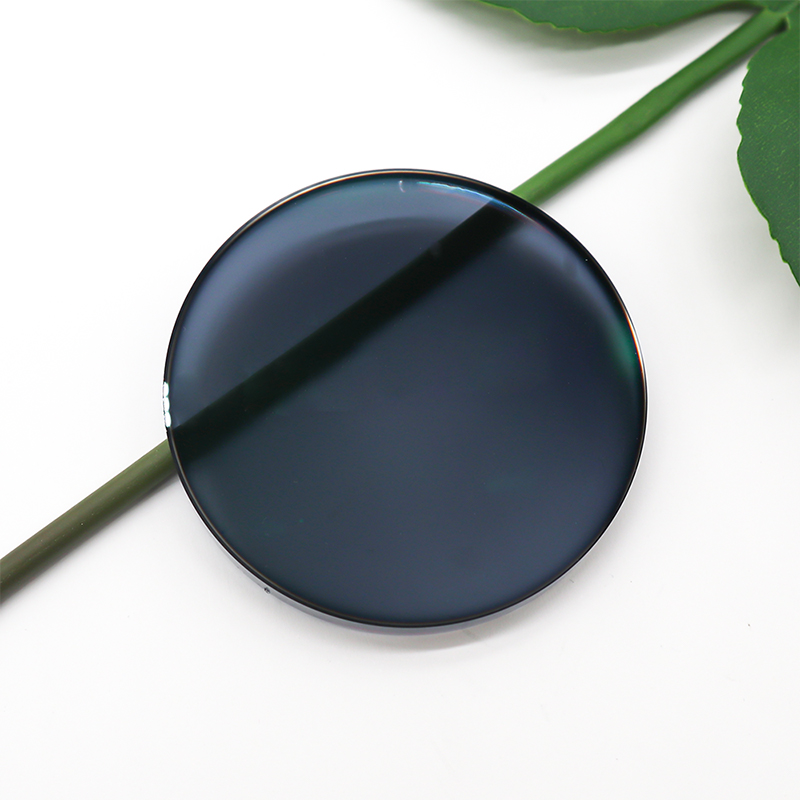 1.56 Photochromic Lens with SHMC CoatingEveryday resin photochromic lens with 1.56 index and SHMC coating, suited to prescriptions needing indoor and outdoor light adaptation.View Product →
Consider the coating package
Hard coating and multilayer coating affect scratch resistance, glare control, and cleaning ease. A photochromic lens with a weak surface coating may look worn long before the color-changing chemistry has faded. If the wearer is hard on lenses, prioritize a durable coating and a proper case over a lower upfront price.
A 1.60 photochromic lens can be a useful balance of optical performance and thickness for many prescriptions, especially when paired with a quality multilayer coating.
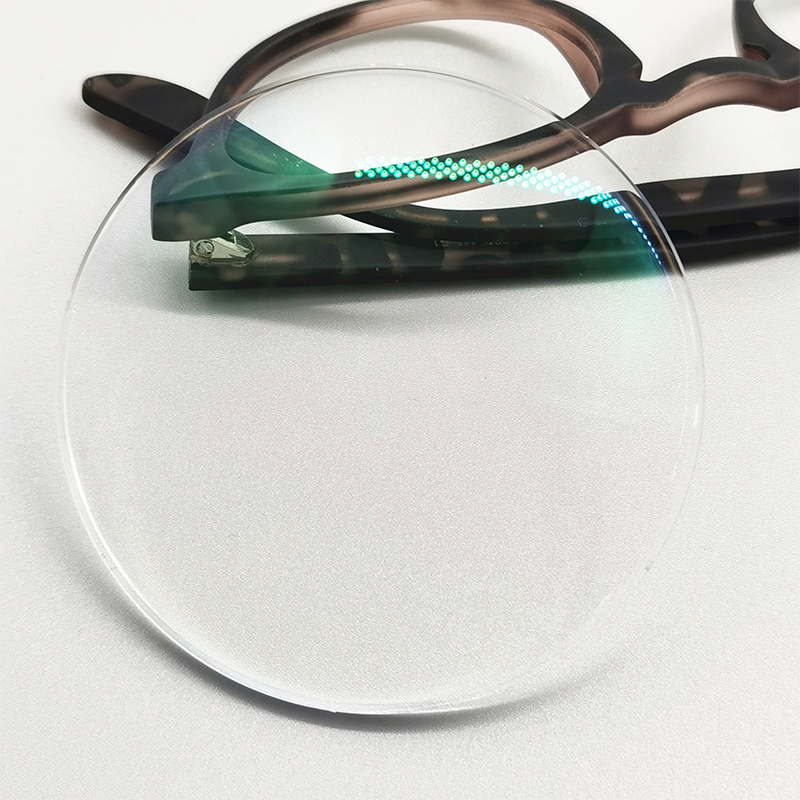 1.60 Photochromic Lens with SHMC CoatingResin photochromic lens with 1.60 index, 75/70/65 mm diameters, and SHMC coating, balancing optical performance and thickness for varied prescriptions.View Product →
Blue-block photochromic for screen-heavy days
Some wearers want one pair for outdoor light and indoor screen use. A blue-block photochromic lens combines two functions, but the wearer should understand the trade-off: the blue-light benefit and the outdoor tint are separate features, and neither replaces good lighting habits. For higher prescriptions or outdoor sports, a 1.67 blue-block photochromic option can be relevant where thinner lenses and impact considerations matter.
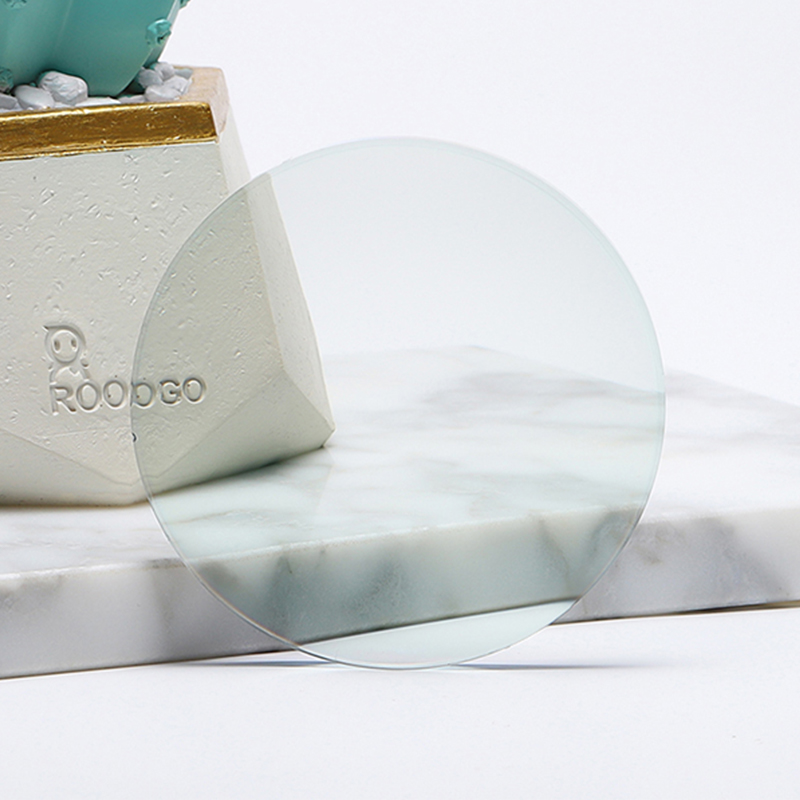 1.67 Blue Block Photochromic LensResin lens combining outdoor photochromic tint with blue-light filtering, available in HMC/SHMC and suited to screen use and higher prescriptions.View Product →
FAQ: Photochromic Lens Lifespan and Replacement
How long do photochromic lenses last on average?
Most daily-wear photochromic lenses remain useful for two to three years. Some last longer with careful storage and less frequent wear; some fade faster in hot climates or high-UV outdoor work.
Do photochromic lenses stop working completely?
They rarely fail in a single moment. The color change usually becomes slower, less dark, or less clean on fade-back. Surface scratches can also make the lenses feel unusable before the photochromic chemistry has fully aged.
Can heat damage photochromic lenses?
Yes. Repeated high heat, such as a car dashboard in summer, can reduce photochromic performance. Store glasses in a case and away from direct heat.
Why do my photochromic lenses stay slightly dark indoors?
Residual tint can be a normal sign of aging, especially after two or more years. It can also be affected by cold temperatures, coating condition, or the specific lens design.
Can I make photochromic lenses last longer?
Proper cleaning, a protective case, avoiding high heat, and using suitable lens products all help. You cannot restore aged photochromic chemistry, but you can protect the surface and reduce unnecessary stress.
Should I replace photochromic lenses after two years even if they still darken?
Not automatically. Replace them when indoor clarity, outdoor comfort, surface condition, or prescription accuracy has declined. A two-year-old pair that still performs well can remain in use.
Are photochromic lenses worth it if they last only a few years?
For many wearers, yes. The convenience of one pair for indoor and outdoor use can outweigh the replacement cycle. The value depends on how often the lenses are worn and how much the wearer values that convenience.
What should I check before buying a replacement pair?
Check the base material, refractive index, coating package, intended use, and warranty. If the previous pair faded early, ask whether heat exposure or surface damage may have contributed.