

 Español



Modern Vision Protection: Dimensions Beyond Basic Correction
In today’s digital age, the function of eyeglasses has evolved far beyond simple refractive correction, such as fixing nearsightedness or astigmatism. Modern consumers face an unprecedentedly complex light environment: prolonged, high-intensity exposure to electronic screens indoors, and unpredictable UV radiation outdoors.
In this context, the Blue Block Lens and the photochromic lens have emerged as the two core defensive lines for eyesight protection. The former is dedicated to addressing "Digital Eye Strain," while the latter focuses on "All-Weather Light Adaptation." Understanding the difference between these two is the first step in customizing a perfect pair of glasses.
What is a Blue Block Lens? (The Shield for the Digital Age)
A Blue Block Lens is specifically engineered to filter High-Energy Visible (HEV) light. This light typically falls within the wavelength range of 380nm to 500nm, with the 400nm-450nm segment identified as the "blue-violet light" most impactful to ocular comfort.
Core Filtration Mechanisms
A Blue Block Lens primarily achieves protection through two technical methods:
- Substrate Absorption: Blue-light-blocking factors are injected directly into the lens raw material. This method absorbs harmful blue light from within the lens. These lenses usually have a very slight tint, and the protective effect is highly durable.
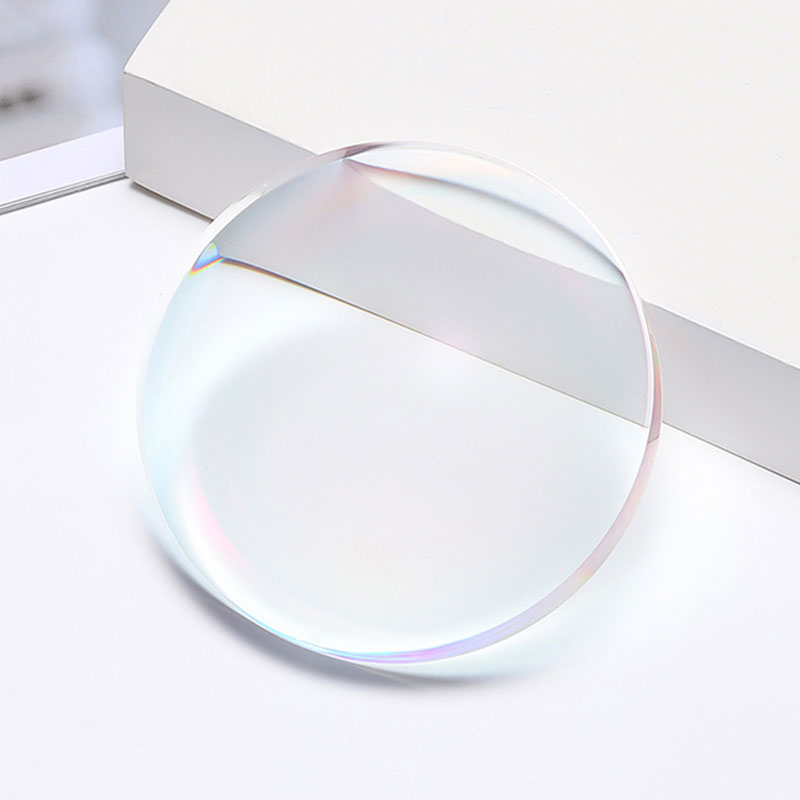
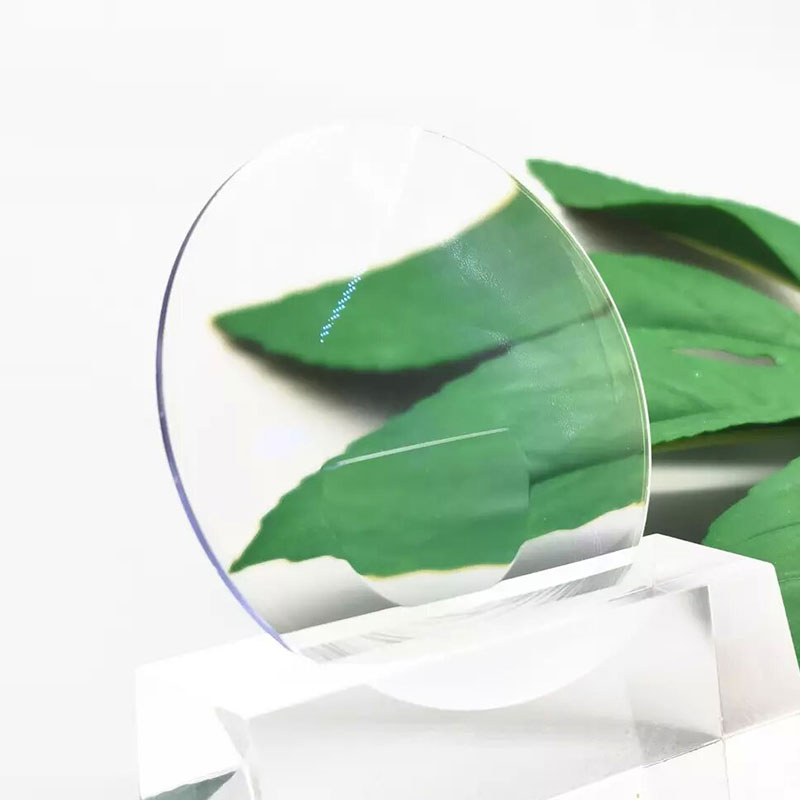
- Coating Reflection: A specialized multi-layer interference film is applied to the lens surface to reflect harmful blue light waves away. This type of Blue Block Lens is often characterized by a noticeable blue or purple reflection on the surface.
Why Choose a Blue Block Lens?
Long-term exposure to blue light emitted by screens leads to reduced contrast, forcing the eyes to work harder to focus, which triggers headaches, dry eyes, and blurred vision. The core value of a Blue Block Lens lies in optimizing the light spectrum entering the eye, reducing this "visual noise" and enhancing clarity.
What is a Photochromic Lens? (The Light Chameleon)
A photochromic lens is an intelligent lens capable of automatically adjusting its tint depth based on the intensity of Ultraviolet (UV) radiation.
The Chemical Trigger Process
The magic of these lenses stems from light-sensitive molecules (such as silver halides or modern photochromic polymers) embedded within them:
- Outdoor State: When exposed to UV rays, the molecular structure undergoes a physical change, causing the lens to darken rapidly (turning grey or brown). It acts as a sunglass lens to block intense glare.
- Indoor State: Once the UV stimulus is removed, the molecules return to their original transparent state, and the lens becomes clear and colorless again.
Deep Technical Parameter Comparison
| Parameter | Blue Block Lens (Professional) | Photochromic Lens (Standard) |
|---|---|---|
| Primary Target Spectrum | 400nm - 455nm (HEV Blue-Violet) | 280nm - 400nm (Ultraviolet) |
| Trigger Condition | Constant Filtration (Always Active) | UV Intensity Triggered |
| Lens Base Tint | Very Pale Yellow or Clear | Clear Indoors / Dark Outdoors |
| UV Blockage Rate | Typically 90% - 100% | 100% (UV400 Standard) |
| Blue Light Blockage | 20% - 95% (Varies by Grade) | Approx. 10% - 20% (Indoors) |
| Contrast Enhancement | High (Improves Screen Clarity) | High (Reduces Outdoor Glare) |
| Driving Suitability | Excellent (Reduces Night Glare) | Limited (Windshields Block UV) |
Why the Blue Block Lens is Essential for Professionals
In modern office environments, the average person spends over 7 hours a day staring at screens. The performance of the Blue Block Lens in this arena is irreplaceable.
Relieving Digital Eye Strain (DES)
Because blue light has short wavelengths and high energy, it scatters more easily within the eye, causing image edges to appear blurry. Wearing a Blue Block Lens effectively "filters" this scattered light, making the images on the retina sharper.
Guarding Circadian Rhythms
The pineal gland in the human brain regulates melatonin secretion through light perception. Excessive intake of screen blue light in the evening misleads the brain into thinking it is still daytime, leading to insomnia. Using a Blue Block Lens at night can reduce this interference and help maintain a healthy sleep cycle.
The Hybrid Revolution: Photochromic + Blue Block Lens
Today's consumers no longer want to choose between protection types. Modern optical technology has achieved a perfect integration: Photochromic lenses with built-in Blue Block Lens technology.
In these products, the lens substrate itself functions as a high-performance Blue Block Lens, continuously filtering harmful blue light from screens and sunlight. When the user steps outdoors, the photochromic darkening function activates. This "24-hour total protection" has become a mainstream trend in the high-end eyewear market.
FAQ:
Will a Blue Block Lens turn my vision yellow?
High-quality Blue Block Lens products use balanced filtration technology designed to intercept harmful blue-violet light (below 415nm) while allowing beneficial blue-turquoise light to pass. While there may be an extremely slight warm tint, the brain quickly compensates for the color, and you usually won't notice it after a few minutes.
If I have photochromic lenses, do I still need a separate Blue Block Lens?
This depends on your usage. While most photochromic lenses have some blue light filtering effect (especially when darkened), their efficiency against screen blue light in the clear indoor state is usually lower than a dedicated Blue Block Lens. If you spend more than 5 hours a day in front of a screen, choosing a lens that combines both functions is recommended.
Is a Blue Block Lens suitable for night driving?
Yes, it is very suitable. LED headlights and streetlights at night contain high amounts of glare and blue light. A Blue Block Lens can reduce this stinging glare and enhance the contrast of the road environment, making driving safer.
Why doesn't my photochromic lens work inside the car?
Most photochromic lenses rely on UV rays to activate, and modern car windshields typically block 99% of UV rays. If you need darkening inside the car, you must select a specialized "Extra Active" photochromic technology, which often includes integrated Blue Block Lens properties.
Are all Blue Block Lens products the same?
No. The blue light filtration rate is not a case of "the higher, the better." For daily office work, a filtration rate of 20%-30% is recommended to balance color accuracy. For professional gamers or those using screens late at night, a product with a higher filtration rate (and a more noticeable tint) may be preferable.