

 Español



Semi-Finished Lenses are the cornerstone of customized prescription (Rx) eyewear in the optical industry. For eyewear professionals, a deep understanding of the structure, function, and positioning of SFLs within the supply chain is essential for providing high-quality dispensing services.
What are Semi-Finished Lenses ?
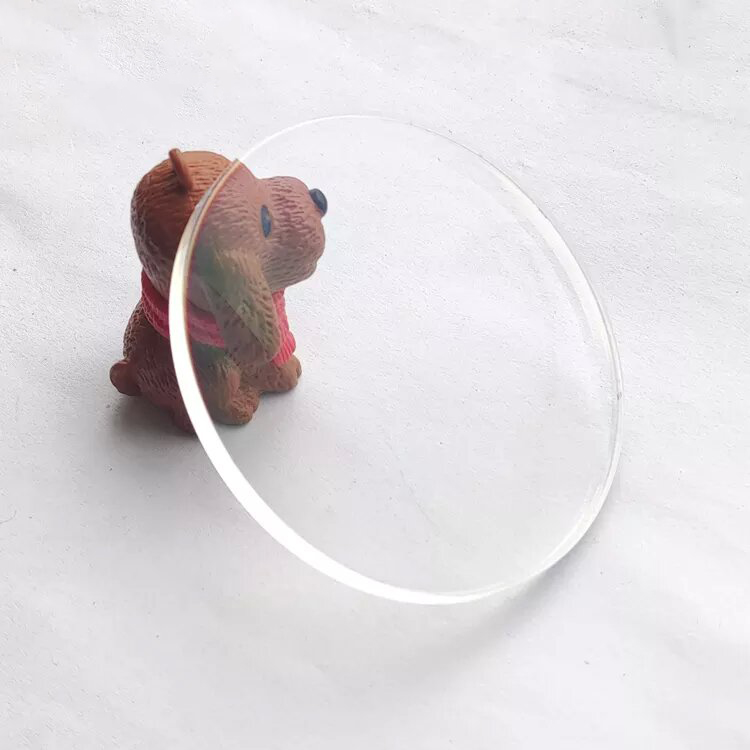
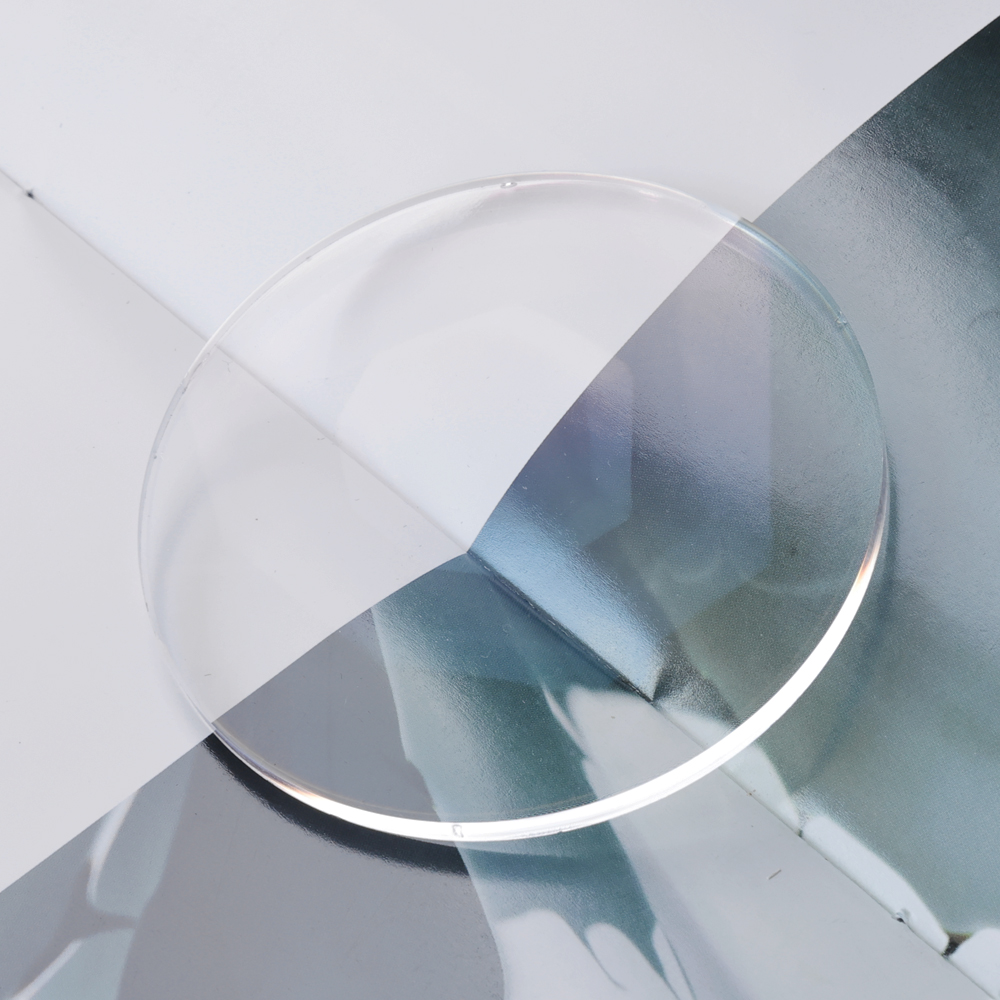
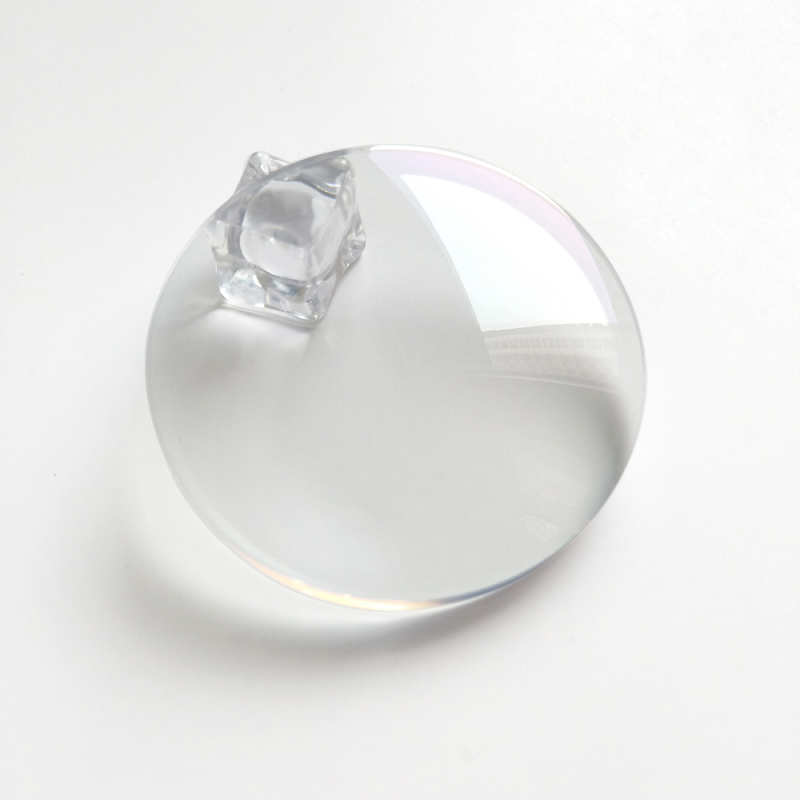
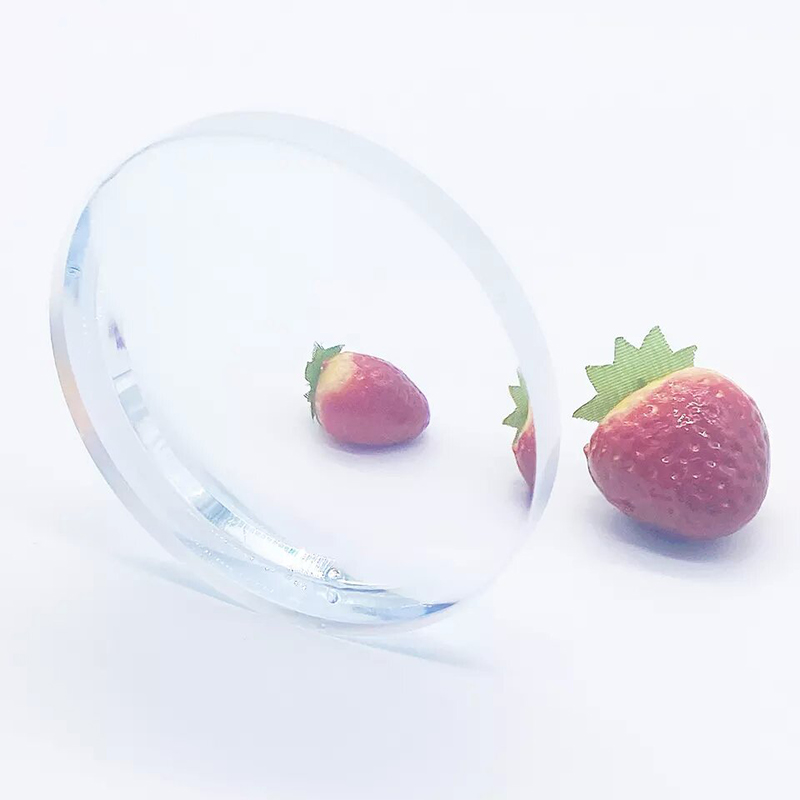
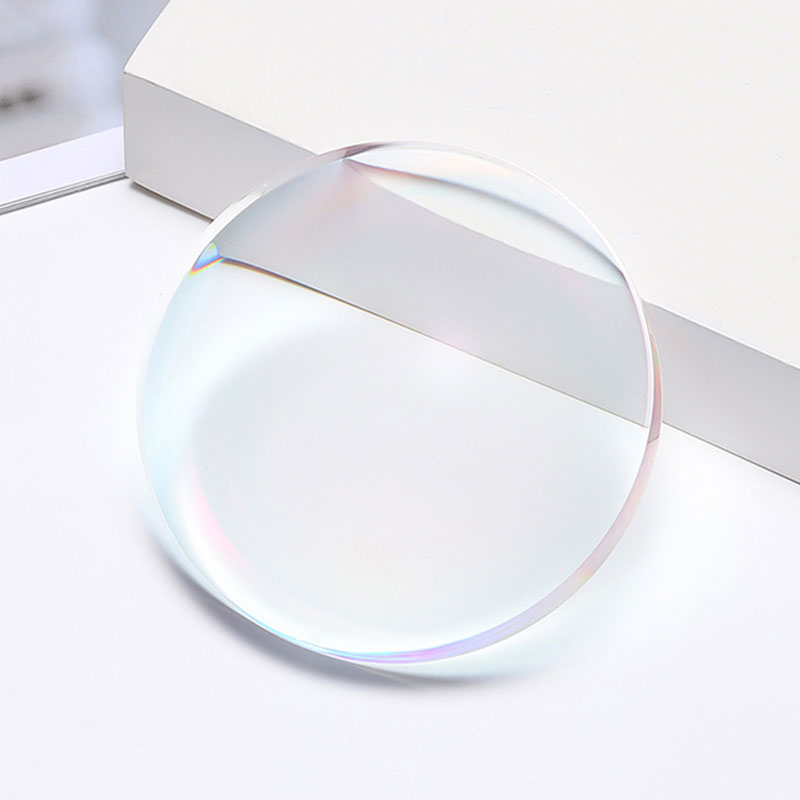
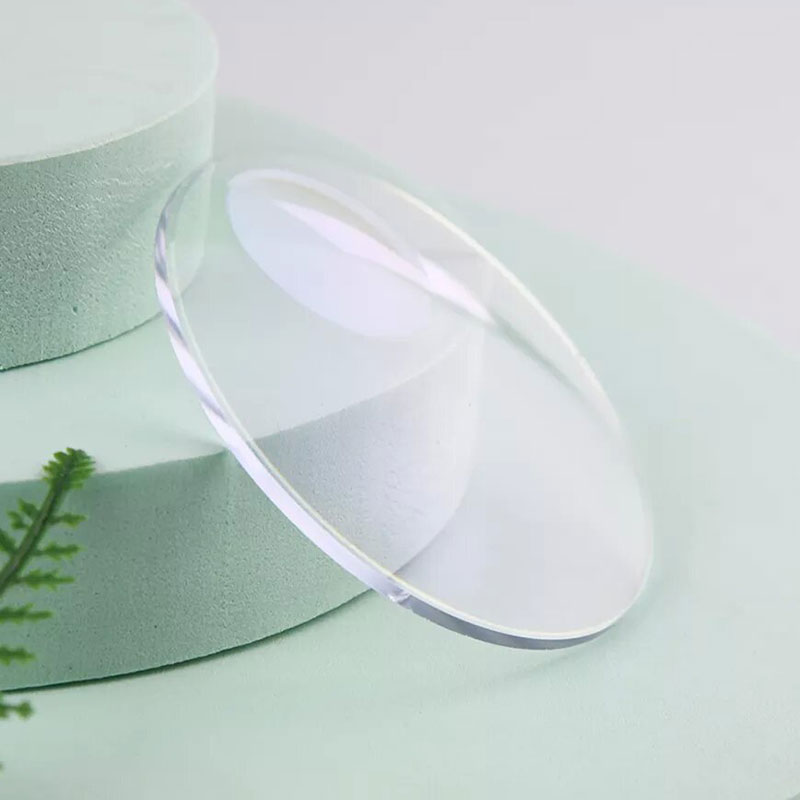
Semi-Finished Lenses are lenses that have completed most of the manufacturing processes but are not yet fully finished. They typically have the following core characteristics:
- Front Curve is Defined: The front surface (or Base Curve) of the SFL is already shaped during the casting or molding stage. This surface often includes necessary hardening treatments and a basic layer for anti-reflection coating. The front curve determines the lens's overall optical characteristics and aesthetic appearance.
- Back Curve Awaits Processing: The back surface of the SFL is smooth, usually flat, or has a pre-set base curve, and has not yet been machined with the specific Rx. This unprocessed surface is reserved for subsequent "Surfacing" (lab processing) to precisely match the patient's spherical power, cylindrical power, and axis.
- Thickness Reserve: SFLs retain sufficient material thickness at the center and edges (also known as the "blank") to ensure that even complex, high-power prescriptions can be accurately surfaced without compromising optical quality.
In short, SFLs are like "custom optical clay" – their front shape is set, but the back needs to be "carved" by high-precision optical equipment to become a custom-made prescription lens for an individual.
Importance in the Optical Industry
Semi-Finished Lenses hold an irreplaceable position in the modern optical industry, primarily due to the following aspects:
| Core Advantage | Description |
|---|---|
| High Customization | Allows optical labs to accurately machine the most suitable back surface for every unique Rx (including complex astigmatism and prism powers), achieving optimal vision correction. |
| Efficiency & Speed | Explains why SFLs are the standard configuration for optical practices and processing labs. They enable quick turnaround and high-precision dispensing. |
| Inventory Management | How SFLs simplify inventory SKUs and improve capital turnover efficiency compared to fully finished stock lenses. |
| Optical Quality Control | The front surface (which determines most of the appearance and basic optical performance) is completed in a highly controlled factory environment, ensuring quality consistency. |
The existence of SFLs allows optical labs to provide accurate, personalized optical solutions for every individual with industrial efficiency.
Briefly Explain the Manufacturing Process Overview
SFLs go through two main stages from raw material to final prescription lens, which is crucial for understanding the core value of SFLs:
Stage 1: Semi-Finished Lenses Production (Factory End)
This stage focuses on manufacturing high-quality SFL blanks.
- Raw Material Preparation: High-purity optical resin or monomers (such as CR-39, Polycarbonate) are mixed and filtered.
- Casting or Molding: The material is injected into precision molds with a predetermined front curve, and the lens is formed through thermosetting (resins) or high-pressure injection molding (PC/Trivex).
- Basic Treatment: The lens receives initial hardening treatment to improve scratch resistance.
- SFL Formation: The result is the SFL, with a shaped front surface and a smooth back surface.
Stage 2: Prescription Customization (Lab/Surfacing End)
This is the critical stage where SFLs are transformed into custom Rx lenses.
- Surfacing (Lab Processing):
- Overview of the general flow from SFLs casting to final product.
- Introduction of the "Surfacing" concept.
- The first step in transforming SFLs into custom Rx lenses.
- Machining the back curve to achieve Rx accuracy.
- Polishing:
- Removing machining marks, ensuring final optical clarity.
- Coating:
- Introduction of AR coating (anti-reflection), hard coating, water/smudge-repellent coating, etc.
- Lens Coating's role in enhancing SFL performance.
- Inspection:
- Checking Rx accuracy, optical center, and lens surface quality.
This two-stage process is exactly why SFLs can balance the cost-effectiveness of mass production with the precision requirements of individual prescriptions.
Classification and Applications of Semi-Finished Lenses
Semi-Finished Lenses are not a single product but are subtly divided based on their design purpose and optical function. Understanding the different types of SFLs is fundamental for dispensing professionals to accurately meet patients' visual needs.
Single Vision SFLs
Single Vision SFLs are the most basic type, used to correct a single refractive error (myopia, hyperopia, or astigmatism).
- Design Purpose: To provide consistent power across all viewing distances.
- Structural Features: The front surface of the SFL is usually spherical or aspherical (for high Rx), and the machined back surface becomes the second spherical or toric surface (for astigmatism correction).
- Application Scenarios: Primarily used for younger patients and wearers who only require single vision correction.
| Single Vision SFL Key Parameter Comparison | Spherical SFLs | Aspherical SFLs |
|---|---|---|
| Aberration Control | More noticeable peripheral aberration and distortion (especially with high powers). | Better control of aberration in the lens periphery, providing a wider, clearer field of view. |
| Thickness and Curve | Generally thicker, front curve (Base Curve) may be higher. | Thinner, flatter, and more aesthetically pleasing. |
| Applicable Rx | Low to medium powers. | Optimized choice for medium-to-high powers and all powers. |
Progressive SFLs
Progressive SFLs are used to correct presbyopia, allowing the wearer to see clearly at all distances—far, intermediate, and near—through the same lens.
- Design Purpose: To create a smooth, continuous power transition zone (Progressive Corridor) on the lens surface.
- Structural Features: A complex progressive surface is pre-molded (traditional design) or subsequently carved (Free-Form design) onto the front or back of the SFL.
- Key Parameters:
- Add Power: Near vision power, a required parameter for progressive SFLs.
- Corridor Length: The vertical length of the transition zone from far to near power.
- Design Type: Divided into Hard Design and Soft Design, which affect peripheral aberration and visual comfort.
- Application Scenarios: All presbyopic patients, especially those wearing progressive lenses for the first time.
| Progressive SFLs Parameter Comparison | Soft Design | Hard Design |
|---|---|---|
| Peripheral Aberration (Swim) | Aberration is distributed wider and softer, with less swimming sensation. | Aberration is concentrated on the sides, but the distance and near zones are wider. |
| Corridor Width | Moderate corridor width, progressive corridor is longer. | Corridor is relatively narrower, progressive corridor is shorter. |
| Adaptation Difficulty | Easier to adapt, high comfort. | Requires more precise fitting height measurement and a longer adaptation period. |
Bifocal SFLs
Bifocal SFLs are also a method of correcting presbyopia, but they have a distinct dividing line between the distance and near zones.
- Design Purpose: To provide correction for distance and specific near vision, sacrificing intermediate vision.
- Structural Features: The add power is achieved by molding or bonding a specific shape of Near Segment onto the front (or back) of the SFL.
- Segment Shapes: Main shapes include flat-top (D-Seg), round-seg, invisible bifocal, etc.
- Application Scenarios: Patients with low demands on intermediate vision, limited budget, or those unable to adapt to progressive lenses.
High-Index SFLs
High-Index SFLs are made from materials with higher refractive power, aiming to reduce the lens thickness and weight while ensuring prescription accuracy.
- Refractive Index Definition: The ratio of the speed of light in a vacuum to the speed of light in the lens material. The higher the index, the stronger the lens's ability to refract light.
- Advantages:
- Thinner: Especially effective for controlling the edge thickness for patients with high myopia (negative power).
- Lighter: Reduces lens weight, improving wearing comfort.
- Application Scenarios: All patients with high refractive power.
Photochromic SFLs
Photochromic SFLs contain light-sensitive photochromic molecules that automatically adjust the lens's color depth based on ambient UV light intensity.
- Working Principle: Under UV light exposure, the structure of the photochromic molecules changes, absorbing visible light, and causing the lens to darken.
- SFL Manufacturing Method: Photochromic dyes are typically distributed evenly within the SFL's material matrix or applied to the lens surface through immersion or coating technology.
- Advantages: One pair of glasses meets indoor and outdoor needs and provides UV protection.
- Application Scenarios: Patients who frequently move between indoor and outdoor environments, or those sensitive to glare.
Polarized SFLs (Polarized SFLs)
Polarized SFLs are specifically designed to reduce glare reflected from smooth surfaces like water, roads, or car windshields.
- Working Principle: A polarizing film is embedded or adhered inside the SFL material. This film only allows light waves in a specific direction (usually vertical) to pass through, thus blocking horizontal reflective glare.
- SFL Manufacturing Method: During the casting or processing of SFLs, the polarizing film must be precisely aligned and encapsulated between the material layers.
- Advantages: Improves outdoor visual comfort, contrast, and clarity.
- Application Scenarios: Driving, fishing, skiing, and all water or snow sports.
Core Material Properties of Semi-Finished Lenses (Core Material Properties of SFLs)
Selecting the right Semi-Finished Lenses material is key to determining the final lens's optical performance, durability, thickness, and weight. Professionals must understand the trade-offs between different materials' Refractive Index, Abbe Value, and density.
CR-39 (Allyl Diglycol Carbonate)
CR-39 was the first plastic lens material widely adopted by the optical industry and remains important due to its exceptional optical clarity.
- Core Characteristics: Optical performance close to glass, low density, easy to tint.
- Optical Advantage: Has the highest Abbe Value among all plastic materials, meaning it produces the least chromatic dispersion and offers very high visual clarity.
- Limitations: Low refractive index (n≈1.50), which results in a thicker lens edge and center for high-power prescriptions.
- Application Scenarios: Patients with low power and high demands for optical quality.
Polycarbonate
Polycarbonate is a thermoplastic material known for its excellent impact resistance, originally used in aerospace applications.
- Core Characteristics: Extremely high impact resistance, about 30% lighter than CR-39.
- Safety Advantage: Effectively resists high-velocity impact, making it the preferred SFL material for children's, sports, and safety eyewear.
- Optical Consideration: Higher refractive index (n≈1.59), which helps thin the lens. But its Abbe Value is relatively low, which may cause noticeable chromatic dispersion (color fringing) in high powers or peripheral areas.
- Application Scenarios: Situations requiring high safety and thinness/lightness.
High-Index Plastics
High-Index Plastic SFLs are designed specifically for high-power prescriptions, with the primary goal of achieving maximum thinning while maintaining optical function.
- Refractive Index Range: Typically refers to 1.60, 1.67, 1.74, or even higher.
- Working Principle: The higher the refractive index, the stronger the lens's ability to bend light, and the less material thickness is required.
- Trade-off: As the refractive index increases, the lens's Abbe Value usually decreases, meaning an increased risk of chromatic dispersion. Eyewear professionals must carefully choose the Lens Index based on the patient's Rx and clarity requirements.
Trivex
Trivex is a newer optical material, designed to combine the high optical clarity of CR-39 with the impact resistance of Polycarbonate.
- Core Characteristics: Combines high impact resistance and high Abbe Value. It has a very low density, making it one of the lightest optical materials on the market.
- Performance Balance: Its impact resistance is comparable to Polycarbonate, but its Abbe Value is significantly higher, offering less chromatic dispersion.
- Limitations: Refractive index is slightly lower than Polycarbonate (n \approx 1.53), so it may not be as thin as Polycarbonate lenses in high powers.
- Application Scenarios: Patients requiring high safety, lightness, and optical clarity, particularly children and outdoor workers.
Glass
Glass SFLs were once mainstream, and although their usage has decreased, they still hold value in specific applications.
- Core Characteristics: Highest optical clarity and scratch resistance. Naturally possesses a high Abbe Value.
- Advantages: Extremely high surface hardness, unmatched scratch resistance. High-index glass (n \ge 1.80) can produce very thin lenses.
- Limitations: The heaviest material, poor safety (brittle and low impact resistance), and higher processing difficulty and cost.
- Application Scenarios: Patients with higher budgets seeking the ultimate scratch resistance or those with low powers who demand extremely high optical clarity.
SFLs Core Material Parameter Comparison Table
| SFL Material | Refractive Index (n) | Abbe Value | Relative Density | Relative Impact Resistance | Rx Applicability |
|---|---|---|---|---|---|
| CR-39 | \approx 1.50 | 58 | Low | Low | Low to Medium Power |
| Trivex | \approx 1.53 | 43 \sim 45 | Very Low | Very High | Low to Medium-High Power |
| Polycarbonate | \approx 1.59 | 30 \sim 32 | Lower | Very High | Medium-High to High Power |
| High-Index Plastic 1.67 | \approx 1.67 | 31 \sim 32 | Higher | Higher | High Power |
| High-Index Plastic 1.74 | \approx 1.74 | 30 \sim 33 | Very High | Higher | Very High Power |
Key Concept: Abbe Value The Abbe Value is a parameter used to measure a lens material's chromatic dispersion. The higher the Abbe Value, the smaller the difference in refractive index for different colors of light, resulting in less chromatic dispersion (prism effect/color fringing) and better optical quality. When selecting high-index SFLs, the thickness advantage must be weighed against the increased risk of dispersion caused by a relatively low Abbe Value.
Customization Manufacturing Process for Semi-Finished Lenses (Customization Manufacturing Process for SFLs)
The core value of Semi-Finished Lenses lies in the customizability of their back surface. In the optical lab or Surfacing Lab, SFLs undergo a series of high-precision steps to become finished lenses with specific prescriptions (Rx).
Surfacing (Lab/Surface Processing)
Surfacing is the most critical step in SFL customization, transforming the smooth back surface of the SFL into a precisely curved surface matching the patient's prescription.
- Calculation and Design: First, specialized software precisely calculates the geometric curvature required for the back surface of the SFL based on the patient's Rx (sphere, cylinder, axis), pupillary distance (PD), fitting height, and frame parameters. For Free-Form lenses, the design is further optimized to reduce aberrations.
- Generating (Machining): The SFL is securely blocked onto a holder. A high-precision Computer Numerical Control (CNC) generator uses diamond tools to cut the back surface of the SFL at high speed and high precision according to the calculated curve model, forming the required power surface.
- Stress Relief: Some materials (like Polycarbonate) may have residual stress after generating, which might require annealing or other treatments to ensure the optical stability of the lens.
| Surfacing Technology Comparison | Traditional Surfacing | Free-Form Surfacing |
|---|---|---|
| Processed Surface | Mainly processes the lens back, forming a traditional spherical/toric surface. | Can transfer complex prescriptions and designs (e.g., progressive, aberration correction) entirely to the back surface of the lens. |
| Precision and Freedom | Precision is limited by the radius of the tool molds. | Uses point-by-point machining, extremely high precision, and great design freedom. |
| Optical Performance | Primarily focuses on Rx accuracy in the center area. | Full lens area optimization, providing a wider, clearer field of view and less peripheral aberration. |
| SFL Requirements | Requires standard SFL blanks. | Often requires more precise and higher quality SFL blanks. |
Polishing
The surface of the SFL after generating is rough and must be restored to optical clarity through the polishing process.
- Purpose: To eliminate the microscopic machining marks generated during generating, making the back surface optically smooth and ensuring light passes through without scattering.
- Method: Using a polishing pad with a precise curvature and special polishing slurry (often aluminum oxide or cerium oxide paste), the generated surface of the SFL is rubbed.
- Quality Control: Polishing must be uniform and thorough; over- or under-polishing will affect the final Rx accuracy and optical quality.
Coating
After polishing and cleaning, the back surface of the SFL now has a precise prescription curve. The next step is to apply coatings to enhance its functionality, durability, and aesthetics.
- Cleaning and Preparation: The SFL surface is thoroughly cleaned in a high-cleanliness vacuum environment to remove all contaminants, ensuring coating adhesion.
- Base Hard Coating (Scratch Resistance Coating): A hard coating layer (usually siloxane) is applied. This is an essential step for all plastic SFLs to increase the lens's scratch resistance.
- Anti-Reflective (AR) Coating: Multiple layers of extremely thin metal oxide films are alternately deposited onto the SFL surface using vacuum deposition or ion-assisted deposition technology. This eliminates reflection on the lens surface, increases light transmission (up to 99%+), enhances visual clarity, and improves appearance.
- Functional Coatings: Includes hydrophobic or oleophobic coatings, which are used for water, smudge, and ease of cleaning.
Lens Coating is vital for the final performance of SFLs. A high-quality AR coating not only provides clarity but also effectively reduces glare from computer screens and during night driving.
Inspection
The final phase of the customization process is rigorous quality inspection of the final finished lens to ensure it complies with optical standards and the patient's Rx requirements.
- Power Verification: A Lensometer/Focimeter is used to precisely measure the lens's spherical power, cylindrical power, axis, and prism power to ensure they are perfectly consistent with the prescription.
- Optical Center Positioning: Checks that the optical center and geometric center are correctly positioned according to the fitting parameters.
- Surface Quality Check: Checks the lens surface for scratches, bubbles, impurities, or coating defects.
- Dimensions and Curve: Measures the thickness and base curve of the lens against specifications, especially the edge thickness control for high-power lenses.
Only SFLs that pass all these strict inspections are considered qualified finished lenses and proceed to the final mounting process.
Business Advantages of Using Semi-Finished Lenses (Business Advantages of Using SFLs)
For optical labs and dispensing practices, Semi-Finished Lenses are more than just raw materials; they are a strategic tool for optimizing operations, enhancing customer satisfaction, and strengthening market competitiveness.
Customization for Prescriptions
SFLs are the core element enabling highly personalized dispensing services.
- Meeting Complex Rx Needs: Through Free-Form processing on the back surface of SFLs, complex prescriptions like high powers, severe astigmatism, and prism can be easily addressed, which is often impossible with finished stock lenses.
- Optimizing Visual Experience: Customized processing allows integration of lens design parameters with the patient's frame geometry, PD, back vertex distance, and other fitting parameters to generate an optimized prescription, providing better peripheral vision clarity and comfort than standard lenses.
- Adapting Various Designs: Whether it's traditional spherical/toric designs or the most advanced individualized progressive designs, SFLs can provide the processing foundation.
Cost-Effectiveness
In terms of bulk purchasing and processing, SFLs offer greater cost advantages than pre-customized finished lenses.
- Bulk Purchasing Advantage: Optical labs can purchase standard base curve and material type SFL blanks in large quantities, thereby achieving lower unit costs.
- Reduced Waste: Even for complex Rxs, labs only need to purchase blanks and surface them in-house, rather than outsourcing expensive customized lenses, effectively controlling material waste costs due to measurement or dispensing errors.
- Value Chain Control: Keeping the critical customization process (Surfacing) under internal control allows for better management of the cost structure and profit margins.
Inventory Management
SFLs greatly simplify inventory complexity, which is essential for efficient operations.
- Streamlined SKUs: If stocking finished lenses, a separate stock-keeping unit (SKU) is needed for every material, every power (e.g., -1.00D to -10.00D in 0.25D steps), and every axis (in 1° steps). SFLs only require stocking a limited number of base curve and material/index combinations.
- Example Comparison: Stocking 100 finished lens SKUs might only require stocking 5-10 SFL blank SKUs.
- Quick Strategy Adjustment: SFL inventory is more flexible in responding to market demand changes. When a new material or design is introduced, the lab only needs to purchase the necessary SFLs for that design, avoiding the need to scrap large quantities of old, finished lens inventory.
- Reduced Overstock Risk: SFLs are only converted into finished lenses upon receiving a specific prescription order, mitigating the risk of accumulating large stocks of infrequently ordered finished lenses.
Reduced Turnaround Time
For many prescriptions, SFLs allow for faster dispensing delivery.
- In-House Processing Speed: Many common or moderately complex prescriptions can be processed, polished, and coated within the same day in a lab with surfacing equipment, significantly faster than relying on external custom facilities.
- Quick Response to Urgent Orders: For patients urgently needing their glasses, local SFL inventory and processing capability can provide expedited service, significantly improving customer experience.
| Business Operations Metric Comparison | In-House Processing with SFLs | Reliance on Finished Stock/External Customization |
|---|---|---|
| Prescription Coverage | Extremely high (almost all Rxs) | Limited by stock SKUs, low coverage for complex Rxs |
| Average Delivery Time | Can be greatly reduced for common Rxs (hours to 1 day) | Dependent on external supplier time (days to weeks) |
| Inventory Complexity | Low (only needs to manage a limited number of SFL types) | Extremely high (needs to manage all power and axis combinations) |
| Unit Material Cost | Lower (bulk purchasing of SFL basic blanks) | Higher (customized or retail finished lens price) |
Factors to Consider When Choosing Semi-Finished Lenses (Selection Criteria for SFLs)
Selecting the most appropriate Semi-Finished Lenses for a patient is a professional decision requiring comprehensive consideration of technical parameters, patient needs, and usage environment. The wrong SFL choice may lead to reduced optical performance or wearing discomfort.
Material
The SFL material is the foundation of its performance. Selection requires balancing thickness, weight, safety, and optical clarity.
- Prescription Power: High powers typically require high-index materials (e.g., 1.67, 1.74) to control lens thickness.
- Safety Needs: Children, athletes, or patients in hazardous occupations should prioritize high-impact resistance materials (e.g., Polycarbonate or Trivex).
- Wearing Comfort: Lightweight materials (e.g., Trivex or Polycarbonate) can significantly reduce the weight of high-power lenses.
Index (Refractive Index)
The refractive index is the primary indicator of an SFL's thinning capability. The higher the index, the thinner the lens will be for a given power.
| Power Range (Example: Myopia SFLs) | Recommended Index Range | Primary Consideration |
|---|---|---|
| Low Power (\le \pm 2.00 D) | 1.50 (CR-39), 1.53 (Trivex) | Emphasize high Abbe Value and low cost. |
| Medium Power (\pm 2.25 D to \pm 4.00 D) | 1.59 (Polycarbonate), 1.60 (High-Index) | Balance thickness and cost, factoring in safety. |
| High Power (\ge \pm 4.25 D) | 1.67, 1.74 | High index is essential for maximum thinning and aesthetics. |
Abbe Value
The Abbe Value is the key metric for measuring a lens material's chromatic dispersion. While a high refractive index (for thinning) often comes with a low Abbe Value (increased dispersion risk), a high Abbe Value is more important in some cases.
- Visual Sensitivity: Patients highly sensitive to chromatic dispersion (color fringing) should prioritize high Abbe Value materials (e.g., CR-39 or Trivex).
- Wearing Habits: For high-power patients whose gaze frequently moves to the lens periphery (e.g., reading), the peripheral dispersion caused by a low Abbe Value will be more noticeable, potentially requiring Free-Form design to mitigate.
- Application Comparison:
- High Abbe Value (e.g., CR-39): Provides the highest optical clarity, suitable for patients with extremely high visual quality demands.
- Medium Abbe Value (e.g., Polycarbonate): Provides the highest safety, sacrificing some optical clarity.
Coating Options
SFLs require coatings after processing to achieve full functionality. Coating selection should be based on the patient's daily activities and visual needs.
- Anti-Reflective (AR) Coating: Reduces reflections, increases light transmission, and improves aesthetics. AR coating is essential for high-index SFLs because higher indices result in greater light loss due to reflection.
- Blue Light Filtering Coating: Suitable for patients who spend long hours using digital screens.
- Anti-Smudge/Hydrophobic Coating: Enhances the durability and ease of cleaning of SFLs, preventing water droplets and smudges from adhering.
- Anti-Fog Coating: Suitable for patients who frequently transition between environments with significant temperature differences.
Intended Use
SFLs must perfectly match their final application scenario.
- Driving SFLs: Polarized SFLs are recommended to reduce glare, or high-clarity AR coating.
- Work SFLs: If handling heavy machinery or in high-risk environments, impact-resistant SFLs are needed. If working on computers, blue light filtering and wide intermediate vision progressive SFLs should be considered.
- Outdoor SFLs: Photochromic or polarized SFLs are ideal for adapting to changing light conditions.
Common Challenges and Solutions for Semi-Finished Lenses
While Semi-Finished Lenses offer the potential for high-precision customization, challenges may still arise in surfacing, coating application, and material compatibility. Identifying and resolving these issues is crucial for ensuring the quality of the final product.
Lens Distortion (Lens Warpage/Aberration)
Lens distortion (also known as aberration) occurs when light passing through areas outside the lens center fails to focus on the retina, leading to peripheral blur or distortion.
| Manifestation | Primary Cause | Solution Strategy |
|---|---|---|
| Peripheral Aberration | Geometric optical performance degradation in the peripheral areas of high-power, high-curve (Base Curve) SFLs. | 1. Use Free-Form Technology: Incorporate aspherical/atoric design on the SFLs back surface for real-time aberration correction. 2. Select the Optimum Base Curve: Choose the Optimum Base Curve best suited for the Rx range and refractive index. 3. Reduce Front Curve of SFLs: Use flatter SFL blanks where possible. |
| Chromatic Aberration | Use of SFL materials with a low Abbe Value (e.g., Polycarbonate). | Prioritize SFL materials with a higher Abbe Value (e.g., CR-39 or Trivex), especially for high powers or patients with high visual quality demands. |
| Fitting Error (PD/Height) | The lens optical center is misaligned with the patient's eye center during mounting. | In the surfacing phase, precisely measure and input the patient's fitting parameters (e.g., fitting height, back vertex distance), ensuring accurate optical center positioning on the SFL. |
Coating Problems
High-quality coating is a vital component of SFL performance. Coating issues usually stem from the processing environment or process defects.
- Manifestation 1: Coating Peeling/Cracking
- Cause: Insufficient adhesion between the coating and SFL material; inadequate cleaning of the lens before coating (presence of oils or residues); or improper temperature control during the thermal curing/vacuum deposition process.
- Solution Strategy: Ensure the SFL surface is treated with a plasma process or chemical primer before coating to enhance adhesion. Strictly control the temperature and humidity of the coating chamber.
- Manifestation 2: Uneven Coating Color/Rainbow Effect
- Cause: Non-uniform thickness of the vacuum deposited layers.
- Solution Strategy: Regularly calibrate the coating equipment, strictly monitor vacuum levels and deposition rates to ensure consistent film thickness.
Material Compatibility
SFLs come into contact with various chemicals and external factors during processing, making material compatibility crucial.
- Manifestation: Chemical Attack or Stress Cracking
- Cause: SFL material (e.g., Polycarbonate) being sensitive to certain solvents, cleaners, or dyes. The cleaner or tinting solution used during processing reacts with the lens material, causing surface micro-cracks or hazing.
- Solution Strategy: Only use cleaning agents and processing aids recommended by the SFL manufacturer that are compatible with the specific material. Avoid applying excessive mechanical or thermal stress to the lens during generating, polishing, or coating.
Surfacing Mistakes
Surfacing is the physical process of creating the power, and any error will directly lead to Rx inaccuracy.
- Manifestation: Rx Deviation or Axis Error
- Cause: Inaccurate calibration of the generator equipment; data entry errors by the operator when inputting the SFL processing program; or the SFL blank coming loose during blocking.
- Solution Strategy: Regularly perform geometric calibration of the CNC generator and polisher. Use a high-precision lensometer to verify the SFL before and after processing. Establish strict data entry and review protocols.
FAQ
This section aims to address common practical questions that eyewear professionals and lab technicians frequently encounter when using and selecting Semi-Finished Lenses .
Q: Is a higher Abbe Value always better for SFLs?
A: From an optical standpoint, yes, a higher Abbe Value is better. A high Abbe Value (e.g., 58 for CR-39) means the lens material produces less chromatic dispersion (color fringing), resulting in higher visual clarity and comfort.
However, in practice, a trade-off is necessary:
| Parameter | High Abbe Value SFLs (e.g., CR-39, Trivex) | Low Abbe Value SFLs (e.g., Polycarbonate, High-Index 1.74) |
|---|---|---|
| Optical Clarity | Excellent, minimal dispersion. | Fair, possible dispersion in high powers or periphery. |
| Lens Thickness | Thicker (low refractive index). | Very thin (high refractive index). |
| Suggested Use | Low powers, those with extremely high visual quality demands. | High powers, those with extremely high demands for thinness and safety. |
When selecting SFLs for high-power patients, professionals must find the optimal balance between the thinning advantage (high index) and optical clarity (high Abbe Value).
Q: How do I determine if an SFL is suitable for Free-Form technology?
A: Most modern SFLs are compatible with Free-Form processing, but they must meet the following conditions:
- SFL Optical Quality: The SFL blank must possess extremely high surface accuracy and uniform material quality. Free-Form technology carves complex curves onto the SFL back surface, and any material defect will be magnified.
- Base Curve Design: The SFLs provided by the manufacturer must have a series of base curves adapted for the Free-Form algorithm. An appropriate base curve is fundamental to successful Free-Form design.
- Processing Reserve: The SFL must have sufficient center and edge thickness (i.e., "blank thickness") to ensure that the lens can still meet the required minimum center or edge thickness after the complex prescription curve is generated.
Q: For children's eyewear, which SFL material is the best choice?
A: For children's SFL selection, safety is the primary consideration, followed by optical clarity and weight.
| Evaluation Metric | Polycarbonate SFLs | Trivex SFLs |
|---|---|---|
| Impact Resistance | Extremely High (Excellent) | Extremely High (Excellent) |
| Optical Clarity | Lower than Trivex (low Abbe Value, more dispersion) | Better than Polycarbonate (high Abbe Value, less dispersion) |
| Weight | Lighter | Lightest |
| Suitability Summary | Economical and Safe, suitable for most children. | Safe, Clear, and Lightweight, the premium choice balancing vision and safety. |
Since both Polycarbonate and Trivex offer excellent impact resistance, professionals should recommend the appropriate SFL based on budget and requirements for optical quality.
Q: How should SFLs be stored in inventory to maintain optimal condition?
A: Proper storage of SFLs is crucial for maintaining their optical performance and subsequent processing quality:
- Temperature and Humidity Control: Store SFLs in a cool, dry, and constant temperature environment. Extreme temperature fluctuations, especially with high humidity, can lead to degradation or the creation of micro-stresses in the SFL material or pre-applied base coatings.
- Avoid Direct Sunlight: SFLs must be kept away from UV light and intense visible light. Photochromic SFLs especially need to be stored away from light to prevent premature activation or degradation of the photochromic function.
- Original Packaging: Keep SFLs in their original, sealed packaging bags or containers until they are ready for processing. This prevents the lens surface from being contaminated by dust, oil, or scratches.
Maximizing the Optical Performance of Semi-Finished Lenses
The quality of the SFL is only one part of the final finished lens performance. To achieve the best optical results, eyewear professionals must focus on the precision of processing.
Precise Measurement of SFLs Optical Center and Fitting Height
The optical performance of the final lens heavily depends on accurate measurement and positioning.
- Power Measurement: Use advanced digital measuring equipment to determine the patient's pupillary distance (PD) and fitting height. These parameters will directly influence the positioning of the SFL back curve during surfacing.
- Compensated Prescription: In high-wrap frames or high-power prescriptions, a simple Rx may be insufficient. Professionals must measure the frame's pantoscopic tilt, face form angle, and back vertex distance, and input them into the Free-Form software. This enables the SFL to generate a compensated prescription during processing, ensuring the power the patient looks through is accurate.
How Free-Form Technology Optimizes the Visual Experience of SFLs
Free-Form technology is the pinnacle of SFL customization, significantly optimizing the visual experience:
- Point-by-Point Optimization: Free-Form technology no longer just optimizes the lens center but applies the optimization algorithm to every visible point on the SFL, effectively eliminating or minimizing peripheral aberration and oblique astigmatism.
- Individualized Design: Progressive SFLs, processed with Free-Form, can be personalized based on the patient's specific lifestyle, frame shape, and facial structure, providing a wider, more comfortable progressive corridor and significantly reducing the swimming sensation.
The Impact of Final Rx Lens Quality on Customer Satisfaction
All processing steps of SFLs ultimately affect the customer's visual health and satisfaction:
- Precision Guarantee: Only by ensuring Rx zero deviation from the SFL blank to the finished lens can the patient's vision correction be guaranteed.
- Appearance and Durability: The durability of the coating, the thinness and lightness of the lens, and its scratch resistance collectively determine the lens's long-term use value and aesthetic appeal, directly relating to customer repeat purchase rates and word-of-mouth recommendations.