

 Español



Lens Technology and Optical Performance
How Does a Blue Light Blocking Lens Filter Different Wavelengths?
A blue light blocking lens is designed to reduce the transmission of selected short-wavelength visible light while maintaining suitable clarity, color perception, and visual comfort. Transparent, yellow, amber, red, and photochromic lenses do not provide identical filtering performance. Their differences come from lens material, absorptive additives, surface coatings, tint density, and the wavelength range targeted during production.
Key Evaluation Range
380–500 nm
Blue-violet and blue visible light are commonly evaluated within this approximate wavelength range.
What is a blue light blocking lens?
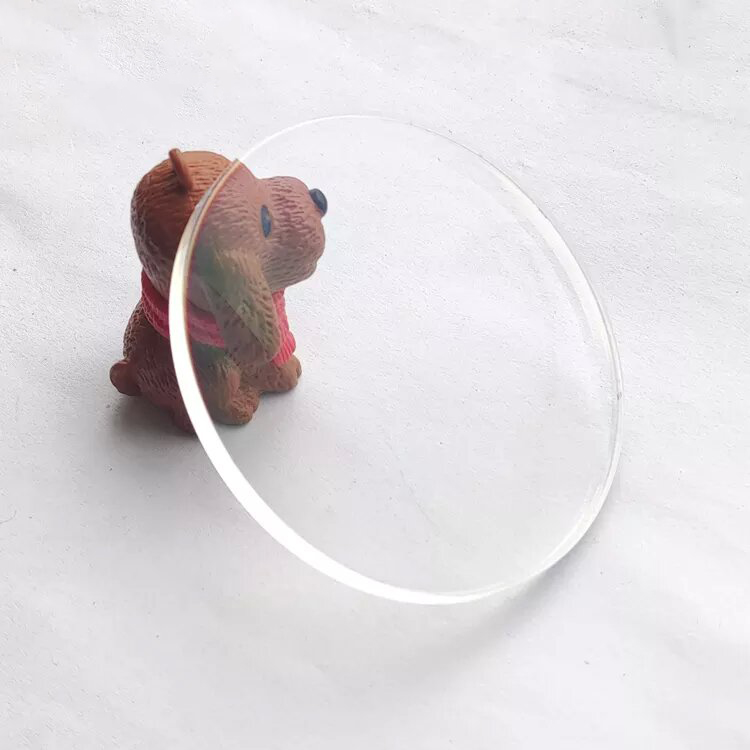
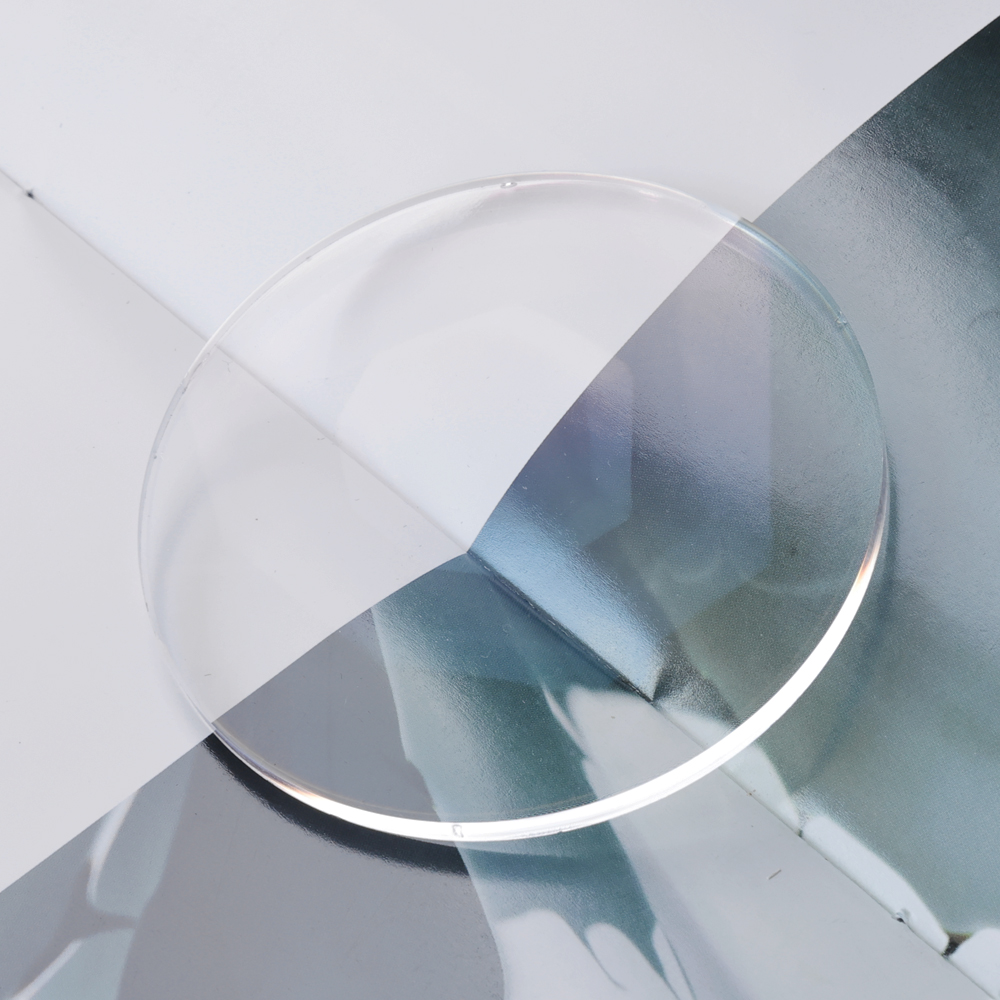
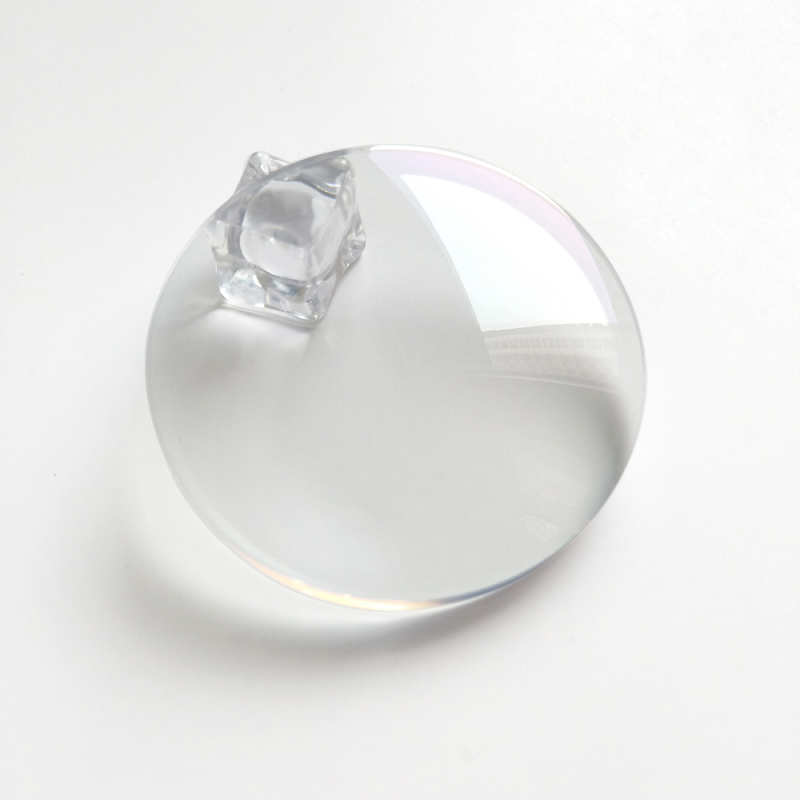
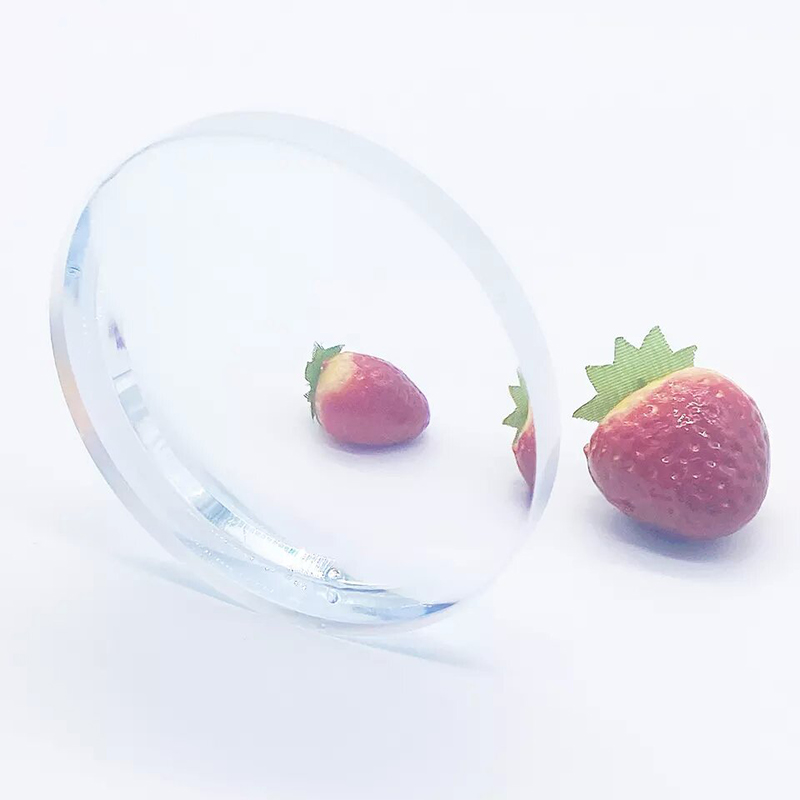
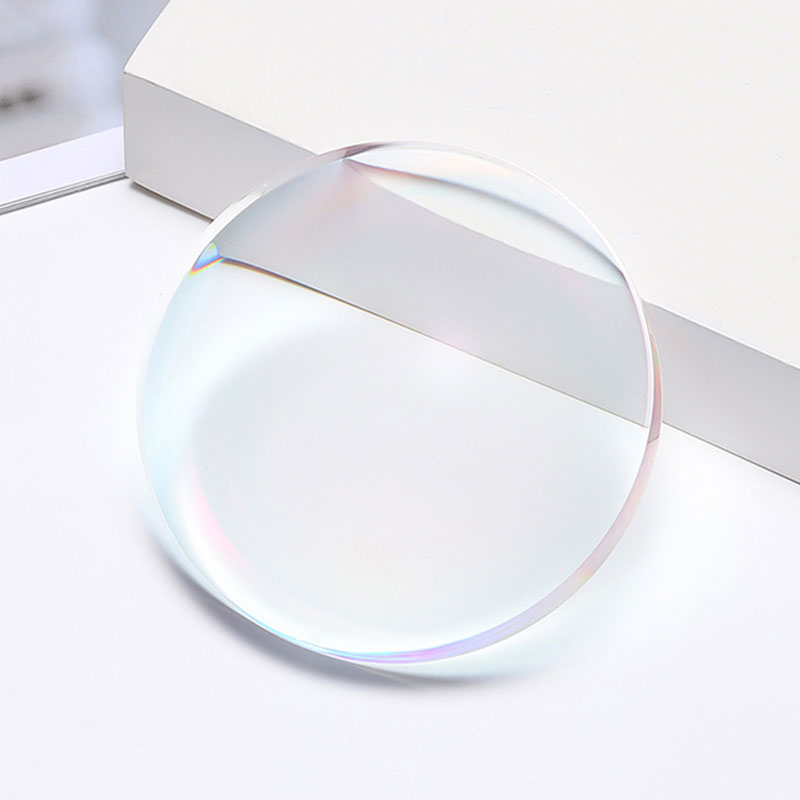
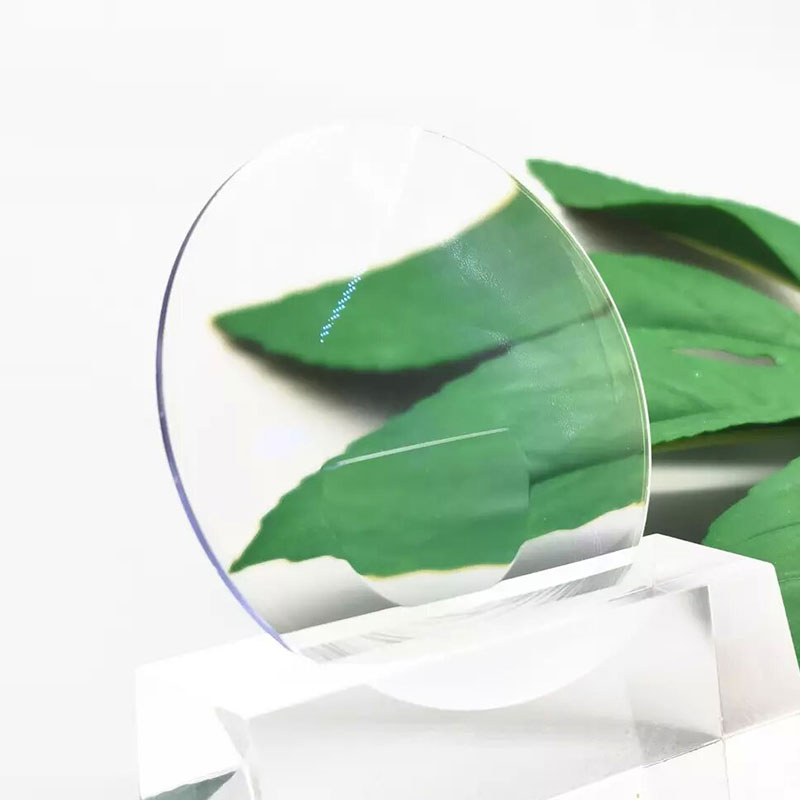
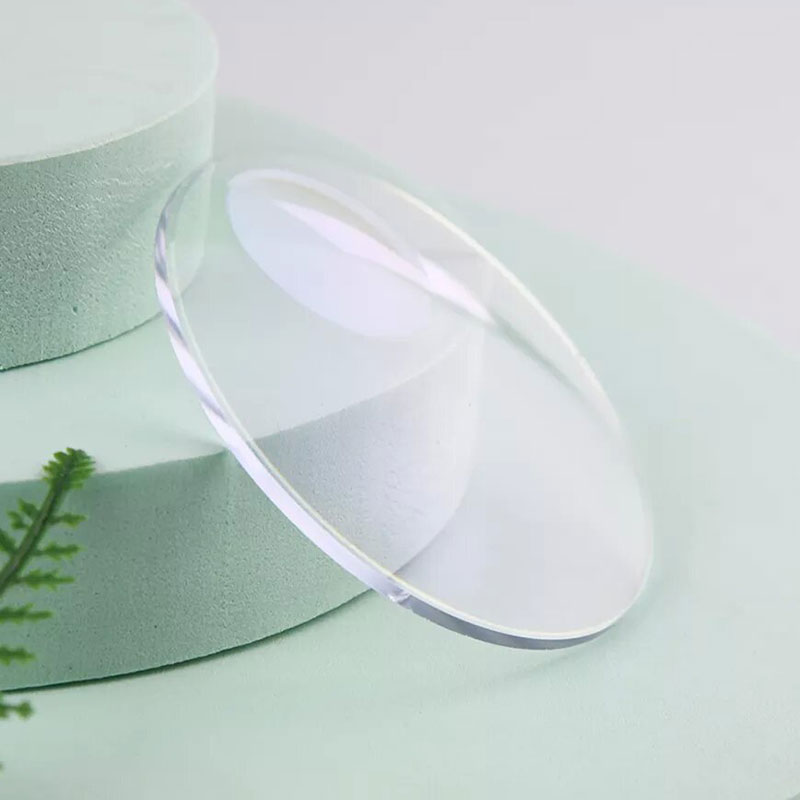
A blue light blocking lens is an optical lens that controls the amount of short-wavelength visible light reaching the eyes. The filtering effect may be produced by absorptive materials inside the lens, wavelength-selective coatings on the lens surface, or a combination of both technologies.
A professionally designed blue block lens should not be evaluated only by its visible color. Spectral transmittance, visible light transmission, lens clarity, color deviation, refractive index, coating durability, and prescription accuracy are also important performance indicators.
How Blue Light Filtering Technology Works
Blue light filters can reduce selected wavelengths by absorption, reflection, or combined optical control. The filtration method influences lens appearance, residual reflection, color accuracy, and suitability for different environments.
Material Absorption
Built-In Filtering Material
Functional absorbers are distributed within the lens substrate. This method can reduce selected blue-violet wavelengths without relying entirely on the outer coating. The filtering performance remains active even when the lens surface experiences normal wear.
Surface Control
Selective Reflective Coating
Multilayer coatings can reflect a controlled portion of short-wavelength visible light. These lenses may show a blue, violet, or green residual reflection, although the reflection color alone does not indicate the exact blocking percentage.
Combined Structure
Absorption and Coating
A combined structure uses both substrate absorption and surface coating. It can provide a balanced relationship between filtering efficiency, transparency, color neutrality, glare control, and coating protection.
Blue Light Lens Color and Filtering Differences
Lens color is closely related to spectral transmission, but color cannot replace laboratory measurement. Two lenses with a similar appearance may have different transmittance curves and different levels of blue light reduction.
| Lens Type | Typical Filtering Characteristic | Color Perception | Recommended Application |
|---|---|---|---|
| Clear blue light blocking lens | Moderate reduction of selected blue-violet wavelengths | Natural appearance with limited color shift | Office work, reading, everyday prescription eyewear |
| Light yellow blue blocker lens | Reduces a broader blue range than many clear lenses | Slightly warmer visual appearance | Indoor screens, general visual tasks, contrast enhancement |
| Yellow or amber lens | Stronger reduction across part of the visible blue spectrum | Noticeable warm color shift | Evening use and environments where color accuracy is not critical |
| Red lens glasses to block blue light | Strong reduction of blue light and potentially part of the green spectrum | Significant color distortion | Controlled evening light environments and specialized applications |
| Photochromic or transition lens | Filtering level changes between clear and activated states | Natural indoors and darker outdoors | Frequent indoor and outdoor transitions |
The values and behavior of an actual lens depend on its material formula, tint concentration, coating structure, lens thickness, refractive index, and test method.
Red Lens Performance
How Do Red Lens Glasses to Block Blue Light Work?
Red lens glasses to block blue light use absorptive tinting to reduce short-wavelength visible light. A deeper red tint generally allows more red light to pass while reducing a substantial portion of blue light. Some dark red lenses may also reduce green light, creating a highly altered visual environment.
Red lens blue light blocking glasses can provide stronger filtering than clear or lightly tinted lenses. This does not mean they are the best option for every user. Strong red filters can make blue objects appear dark and can change the appearance of green, cyan, and purple objects.
Tasks involving color inspection, graphic design, laboratory observation, printing, electronic wiring, or safety signals require accurate color recognition. Deep red lenses should not be selected for these applications unless the visual requirements have been carefully assessed.
Red Lens Selection Factors
Does yellow lens block blue light?
Yes, a yellow lens can reduce part of the blue light spectrum. The actual filtering level depends on tint depth and spectral design. A pale yellow lens may mainly reduce shorter blue-violet wavelengths, while a darker yellow or amber lens can reduce a broader range of blue visible light.
Yellow lenses do not automatically block all blue light. A spectral transmittance report is necessary to determine whether the lens mainly filters 380–420 nm, 400–450 nm, or a wider range extending toward 500 nm.
Does transition lens block blue light?
A transition lens can reduce blue light, but its performance changes according to its activation state. When the lens darkens outdoors, total visible light transmission decreases, including part of the blue spectrum.
In the clear indoor state, the level of blue light reduction depends on the substrate and coating. Photochromic performance alone does not guarantee strong indoor blue light filtering.
What Color Lens Is Best for Blocking Blue Light?
The best lens color depends on the intended environment, required color accuracy, wearing duration, and desired filtration strength.
Clear or Nearly Clear Lens
A clear blue light blocking lens is suitable when natural appearance and color recognition are priorities. It can be combined with prescription correction, anti-reflective coating, scratch resistance, and UV protection.
Light Yellow Lens
A light yellow blue blocker lens can provide additional short-wavelength reduction while keeping the visual color change within a manageable range.
Amber or Red Lens
Amber and red filters are suitable when stronger blue light reduction is required and precise color recognition is not necessary.
Photochromic Lens
Photochromic lenses are useful for users moving frequently between indoor and outdoor environments. Indoor and activated spectral data should be reviewed separately.
Professional Lens Evaluation
Is Blue Block Lens Good for Eyes?
A blue block lens can reduce selected blue wavelengths and may support more comfortable light management for users who prefer a warmer or less intense visual environment. It should not be presented as a treatment for eye disease, myopia, dry eye, retinal conditions, or every form of digital eye strain.
Screen-related discomfort can also be associated with reduced blinking, unsuitable working distance, glare, dry indoor air, uncorrected refractive errors, and long periods of near-focus work. Lens selection should therefore be combined with suitable screen brightness, regular visual breaks, correct prescription parameters, and a comfortable working distance.
A Lens Can Help Control
Selected wavelength transmission
Surface reflection and glare
Visible light transmission
Color temperature perception
Technical Parameters to Check Before Selecting a Blue Blocker Lens
A single “blue light blocking percentage” cannot fully describe lens performance. The wavelength interval and testing conditions must be stated clearly.
Spectral Transmittance
Shows the percentage of light passing through the lens at each wavelength. A full curve provides more useful information than one combined percentage.
Measured Wavelength Range
Confirm whether the reported value covers 380–420 nm, 400–450 nm, 380–500 nm, or another defined interval.
Visible Light Transmission
Indicates the overall brightness of the lens. A low value may make the lens unsuitable for normal indoor use.
Color Difference
Measures how much the lens changes perceived colors. This parameter is especially important for clear and lightly tinted lenses.
Refractive Index
Common index options influence lens thickness, weight, optical design, and compatibility with different prescriptions.
Coating Performance
Anti-reflective, hard, hydrophobic, and oleophobic layers affect clarity, cleaning performance, durability, and daily appearance.
Lens Configuration Options for Different Product Requirements
Blue light filtering can be integrated with different lens structures, prescription ranges, coatings, and finishing requirements.
Lens Material Options
- Standard optical resin lens
- High-index thin lens material
- Impact-resistant lens material
- Photochromic blue light lens
- Clear, yellow, amber, or red tint
Surface Treatment Options
- Hard coating for scratch resistance
- Anti-reflective multilayer coating
- Hydrophobic and oleophobic treatment
- UV filtering treatment
- Customized residual reflection color
Optical Product Options
- Single vision stock lenses
- Prescription lenses
- Finished and semi-finished lenses
- Reading and office lens designs
- Custom spectral filtering solutions
Manufacturing Quality
What Defines a Reliable Blue Light Blocking Lens?
Stable Optical Power
Sphere, cylinder, axis, prism, and base curve should remain within the required optical tolerance.
Consistent Spectral Performance
Production batches should maintain consistent transmission curves, lens color, and filtering characteristics.
Clean Surface Quality
The lens should be inspected for coating defects, scratches, pits, waves, inclusions, and visible contamination.
Reliable Coating Adhesion
Coating layers should maintain suitable adhesion, abrasion resistance, environmental stability, and cleaning performance.
Frequently Asked Questions
Blue Light Lens Questions from Buyers and Product Developers
Does a clear blue light blocking lens work without a yellow tint?
Yes. Clear lenses can use substrate absorbers or wavelength-selective coatings to reduce part of the blue-violet spectrum. Their filtering range is usually more limited than that of dark yellow, amber, or red lenses.
Does a blue surface reflection mean the lens blocks more blue light?
Not necessarily. Residual coating color is influenced by the multilayer design. Spectral transmittance testing is required to confirm the actual reduction level.
Can red lens blue light blocking glasses be used all day?
Deep red lenses may create substantial color distortion and reduced overall brightness. Their suitability depends on the task, lighting conditions, and the wearer’s need for accurate color recognition.
Can blue light filtering be combined with prescription power?
Yes. Blue light filtering is available in prescription and non-prescription lens configurations, including single vision, reading, office, and other optical designs.
What information should be included in a lens specification?
A complete specification can include refractive index, Abbe value, UV performance, spectral transmittance, visible light transmission, coating structure, residual color, diameter, base curve, and prescription range.
Custom Lens Development
Match Lens Color, Coating, Index, and Spectral Performance to Your Product Requirements
Clear blue light lenses, yellow filters, red lens glasses to block blue light, photochromic lenses, prescription lenses, stock lenses, and customized coating structures can be configured according to optical performance and application requirements.