

 Español



Product Introduction
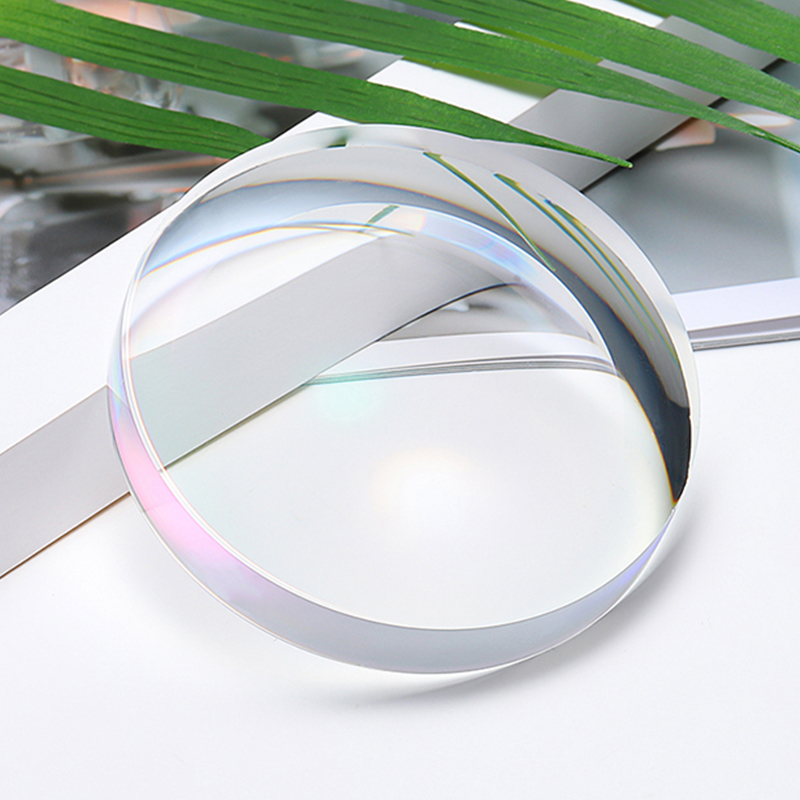
Optical Convergence: The Pinnacle of Thinness in 1.74 Aspheric Lenses
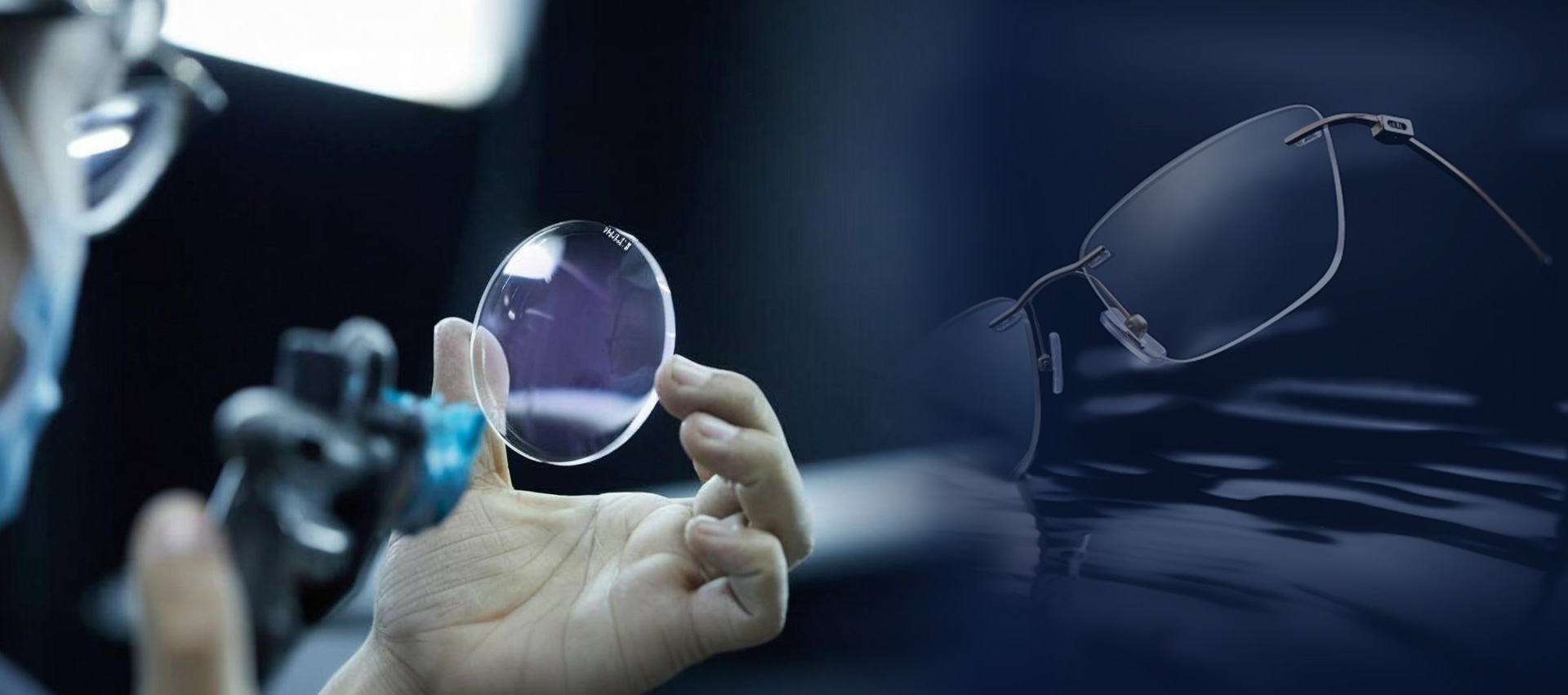
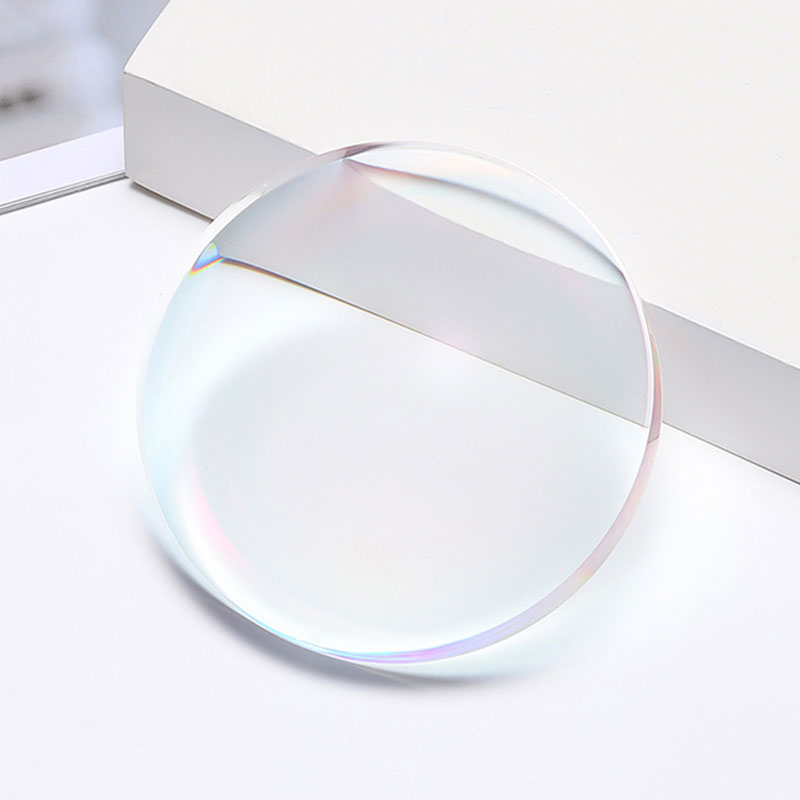
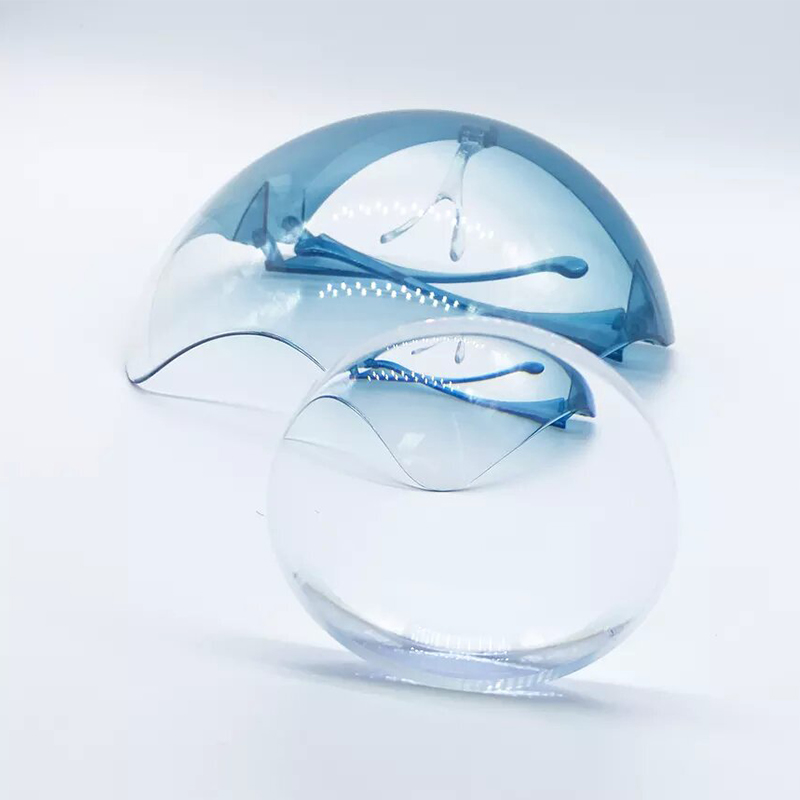
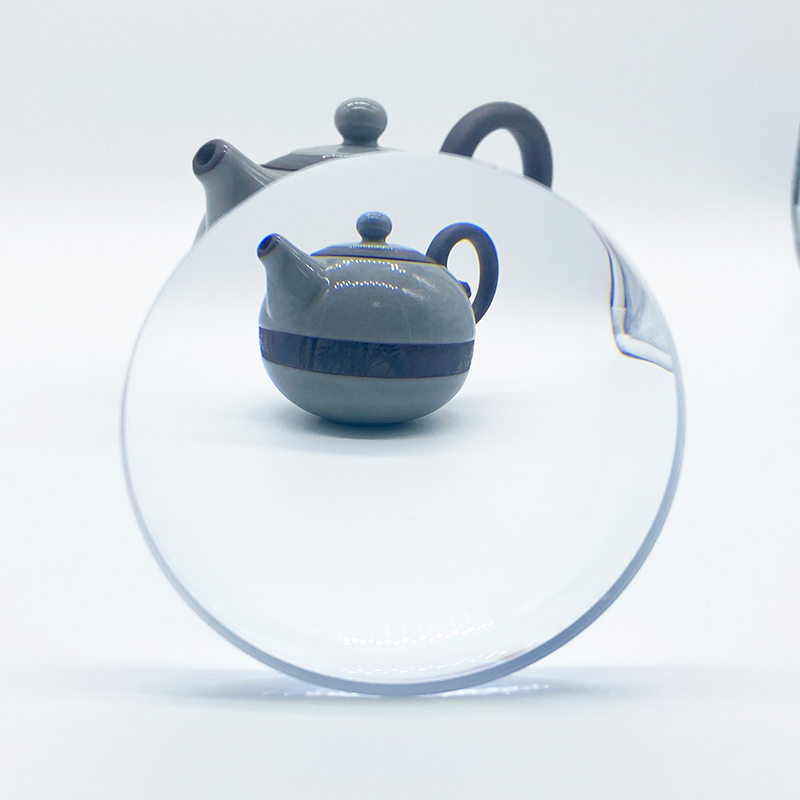
For individuals with high refractive prescriptions, the physical bulk of traditional lenses has long been a source of discomfort and aesthetic concern. Our High Index 1.74 Aspheric lenses represent the absolute apex of current resin lens technology, designed to solve the challenges of high myopia or hyperopia. By utilizing ultra-high-density sulfur-containing polymers, this material bends light with incredible efficiency, allowing for a lens profile that is up to 50% thinner and significantly lighter than standard 1.50 index lenses. The inclusion of advanced Aspheric surface geometry is critical at these high powers. Standard spherical lenses create significant peripheral aberrations and optical distortion toward the edges. Our aspheric design uses complex mathematical algorithms to flatten the lens curvature, which not only reduces the center thickness (in plus powers) or edge thickness (in minus powers) but also expands the distortion-free field of view. Crucially, this design minimizes the "magnification" or "minification" effect that makes the wearer's eyes appear unnaturally large or small to others, resulting in a much more natural aesthetic. The manufacturing of 1.74 lenses requires high-precision glass molds and extended, slow thermal curing cycles to ensure low internal stress and high optical purity, preventing the "haziness" found in inferior high-index products. Finished with a premium Super-Hydrophobic Multi-Coating (SHMC) for maximum light transmission, these lenses are the ultimate choice for discerning patients who demand the thinnest, lightest, and clearest possible eyewear.
Specification
| Refractive Index | 1.74 (Ultra-Thin Resin) |
| Geometry | Advanced Aspheric Surface |
| Specific Gravity | 1.47 g/cm³ |
| Abbe Value | 33 |
Technological Highlights: Premium Monomers and Coating Integrity
- High-Purity Monomer Selection: We exclusively use high-performance monomers (e.g., MR-series) to achieve superior tensile strength and optical purity, resulting in excellent clarity and minimal risk of yellowing over time.
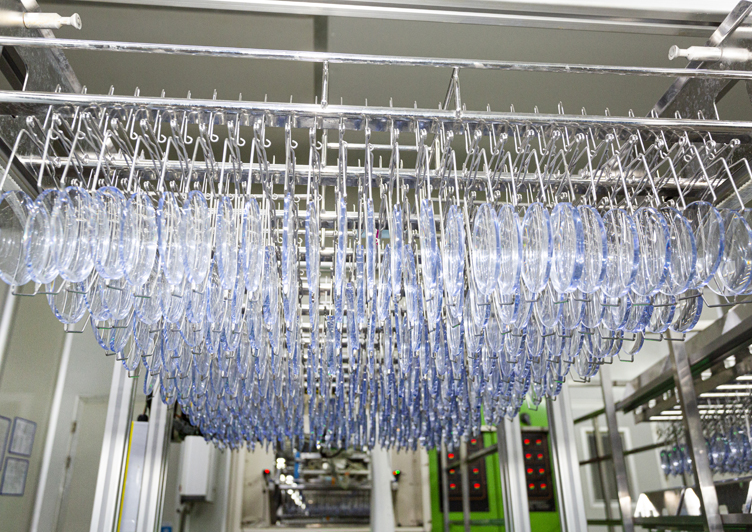
- Precision Liquid Casting Process: The lenses are produced via a controlled liquid casting method that ensures uniform material density and refractive index consistency across the entire blank, which is critical for accurate therapeutic power zones.
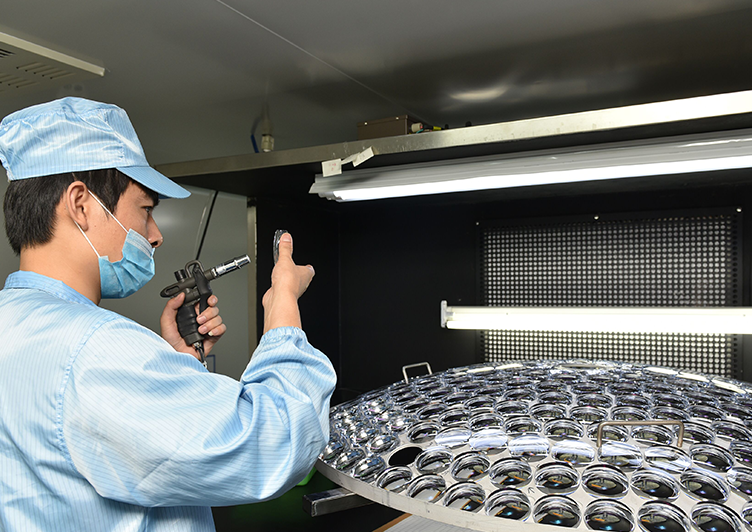
- Advanced Vacuum Multi-Coating (SHMC): Coatings are applied in a high-vacuum chamber, using multiple layers of metallic oxides to create a durable, anti-reflective stack. This process guarantees maximum light transmission and minimal glare.
- Thermal Curing Optimization: A slow and precise thermal curing cycle is employed to maximize the material’s resistance to internal stress, ensuring the finished lens remains stable and optically perfect under varying temperature conditions.
- Integrated Peripheral Defocus Geometry: The therapeutic design is engineered into the mold itself for cast lenses, or applied via digital surfacing for semi-finished blanks, guaranteeing the accuracy and consistency of the myopia control zone geometry.
Application
- High Myopia corrections (-6.00D to -15.00D+)
- High Hyperopia corrections requiring thinner centers
- Premium rimless or semi-rimless frame designs
- Patients prioritizing aesthetics and weight reduction
Advantage
- The thinnest resin lens material currently available
- Aspheric design reduces eye magnification/shrinking effects
- Wider, clearer peripheral vision with less distortion
- High tensile strength suitable for drilling
-
0+
Years' Experience
-
0㎡
Plant Area
-
0+
Exported to Countries
-
0million lenses
Annual Capacity
Customization
Customized For Your
Business
-
01
Complete Customization Capability
-
02
Professional Lens Architecture
-
03
Functional Coating Customization
-
04
Digital Rx Customization
-
05
Branding & Packaging
-
06
Delivery & Support






Frequently Asked Questions (FAQ)
- Q: Is 1.74 significantly thinner than 1.67?
- A: Yes, for high prescriptions, the edge thickness reduction is very noticeable.
- Q: Why are aspheric lenses better?
- A: They are flatter, look better, and provide clearer side vision.
- Q: Do these lenses turn yellow over time?
- A: We use high-grade anti-yellowing monomers to maintain clarity.
- Q: Are they suitable for rimless frames?
- A: Yes, the 1.74 material is tough and suitable for drilling and grooving.
- Q: Does the lower Abbe value affect vision?
- A: For most users, the slight chromatic aberration is outweighed by the benefits of thinness and clarity.
- Q: Do they come with UV protection?
- A: Yes, UV400 protection is built into the monomer.
- Q: Are they hard to clean?
- A: No, they include a super-hydrophobic coating that repels grease and water.
- Q: Can they be tinted for sunglasses?
- A: Tinting 1.74 is difficult; we recommend ordering pre-tinted or photochromic 1.74 options.
- Q: Why are they more expensive?
- A: The raw material cost is high, and the production yields are lower due to strict quality controls.
- Q: Are they available in stock ranges?
- A: We stock common sphere powers, but high cylinder powers are custom-made.
Payment and Shipping Policy
- Payment: T/T, L/C for bulk. Advance payment for custom RX.
- Shipping: DHL/FedEx for finished lenses; Sea freight for large blank orders.
- Packaging: Premium anti-static envelopes inside reinforced cartons.
- Lead Time: 15-21 days due to complex casting and coating cycles.
Comprehensive Business Information
| MOQ | 10 Pairs (RX Custom) |
| Lead Time | 15-20 Days |
| Packaging | Secure export packaging. |
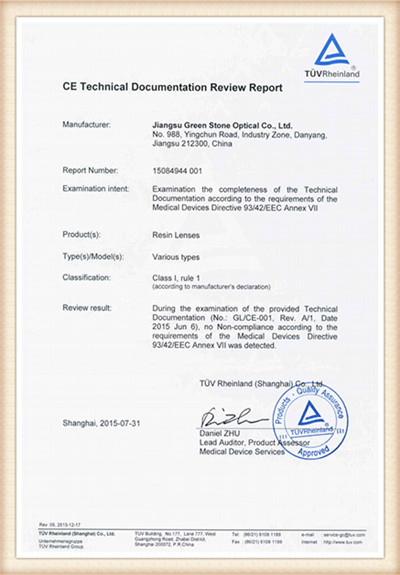
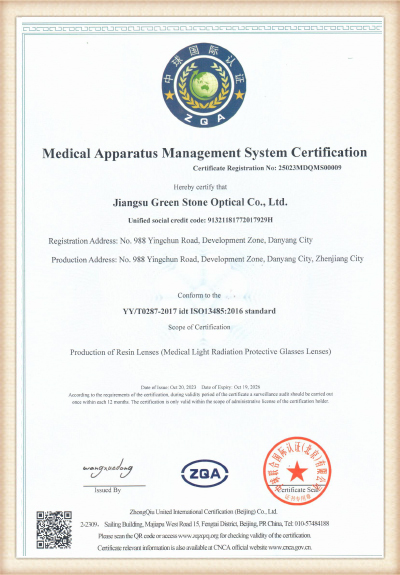
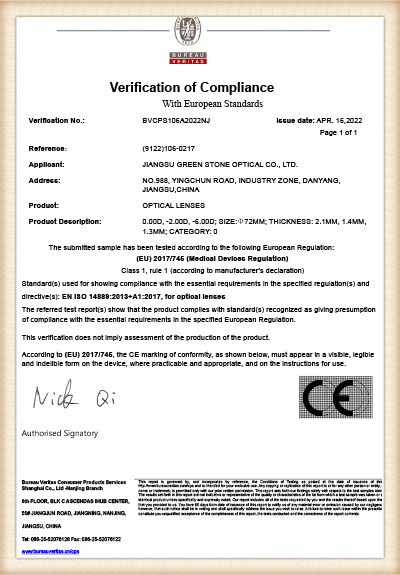
| Certifications | CE, FDA, ISO9001. |
| Raw Materials | Imported Ultra-High Index Monomer. |
| Customization | Available in Photochromic and Blue-Cut variations. |