

 Español



Product Introduction
Optical Convergence: The Engineering of Polycarbonate Safety Optics
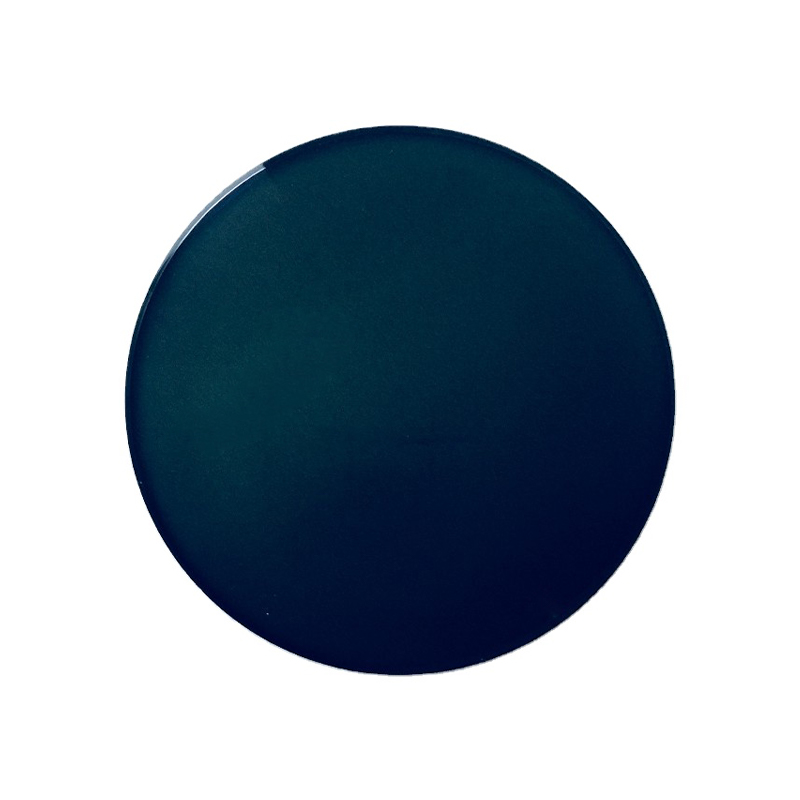
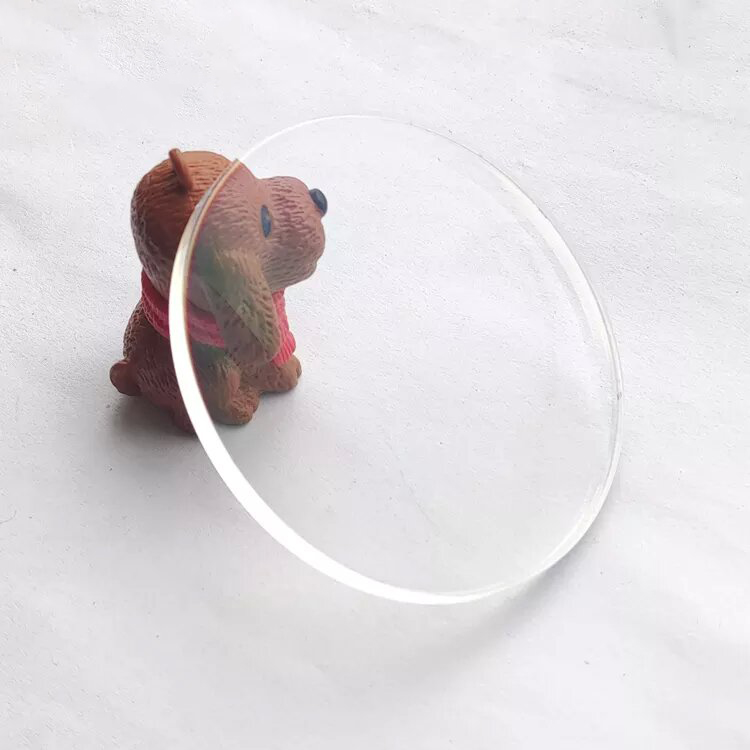
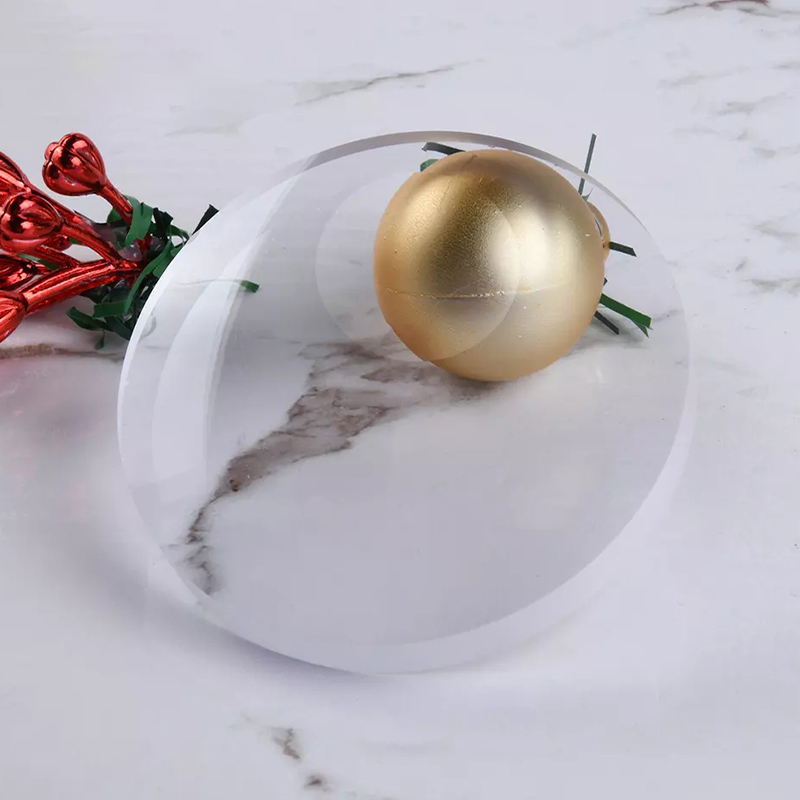
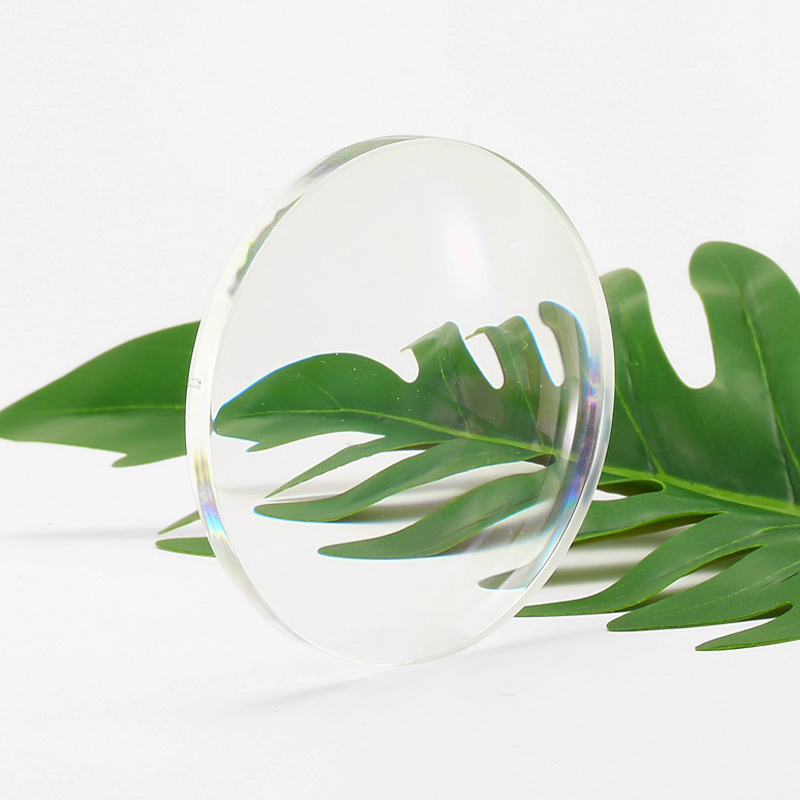
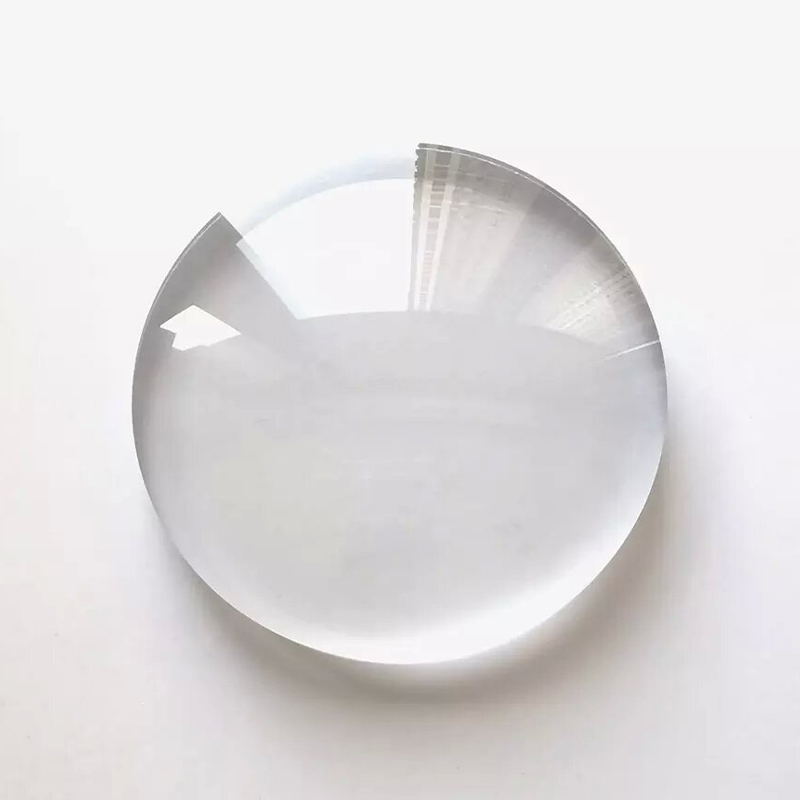
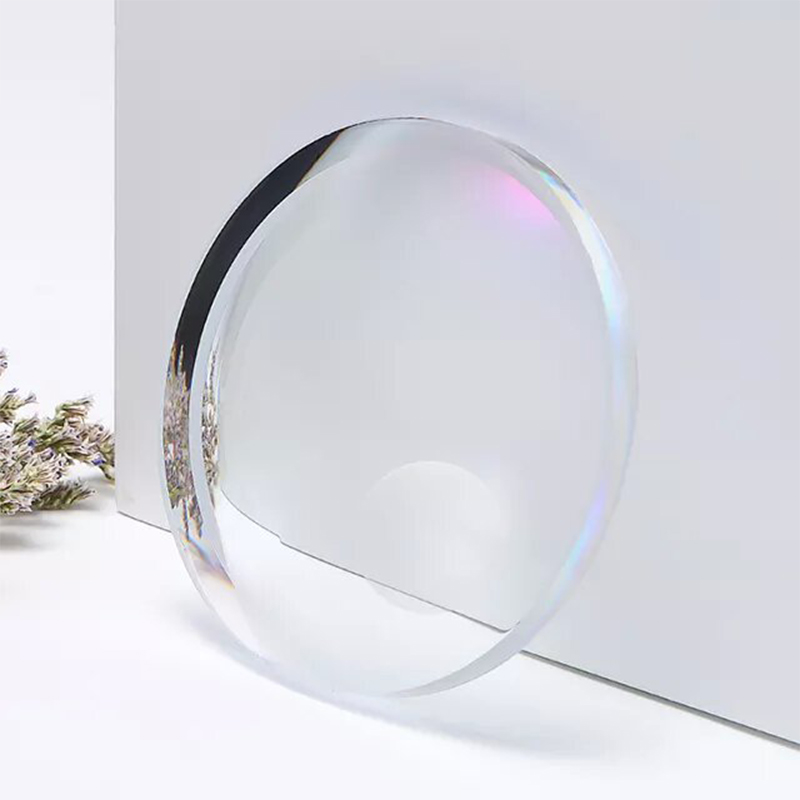
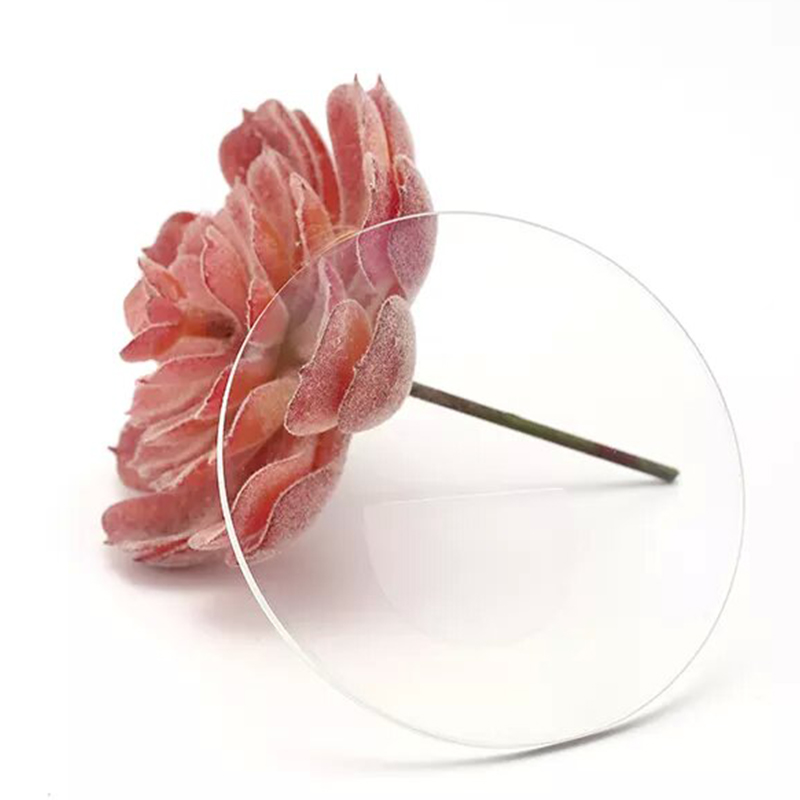
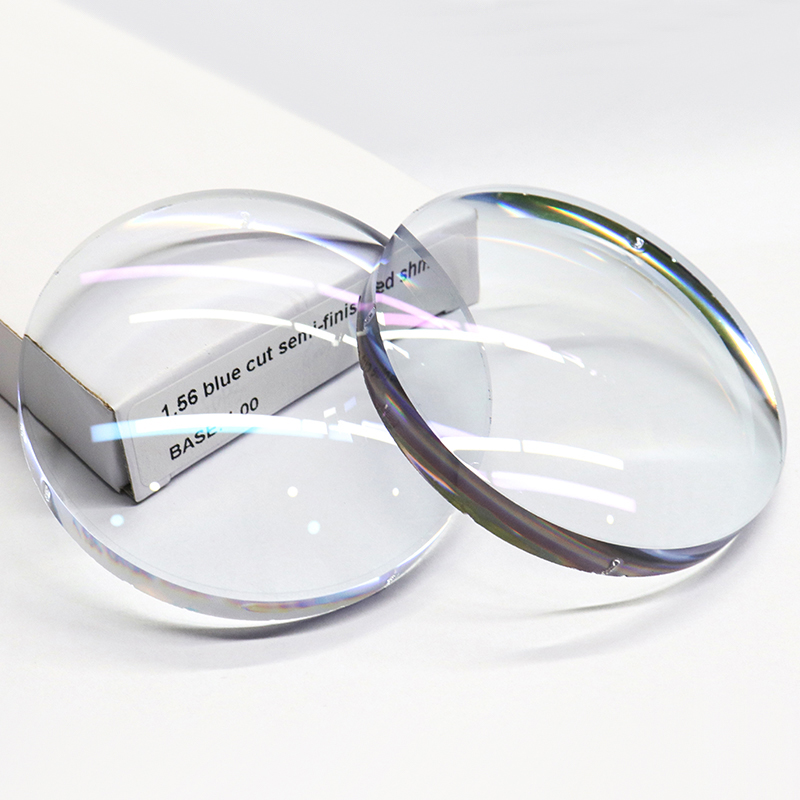
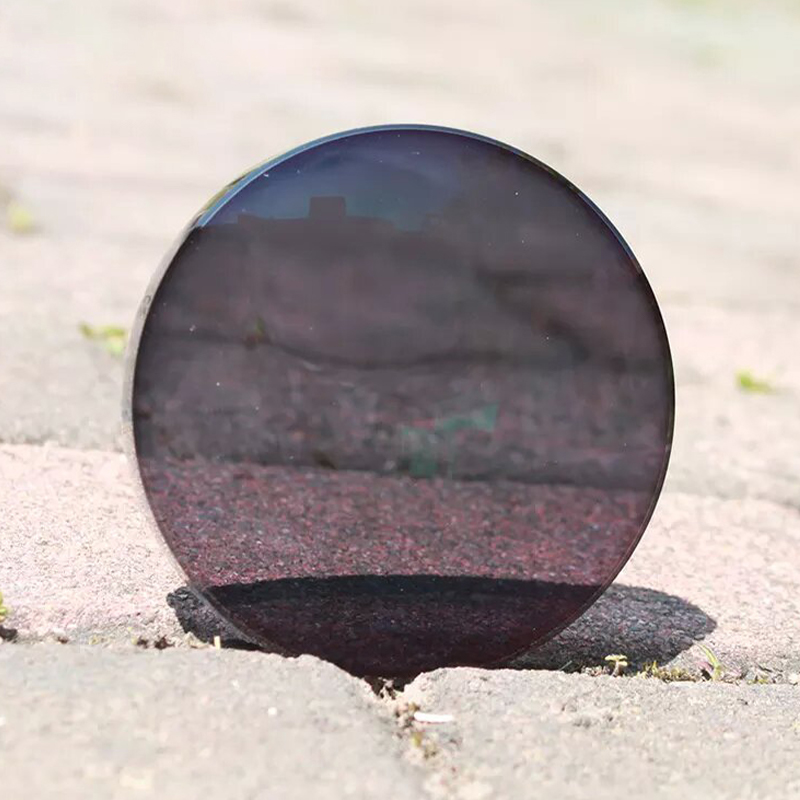
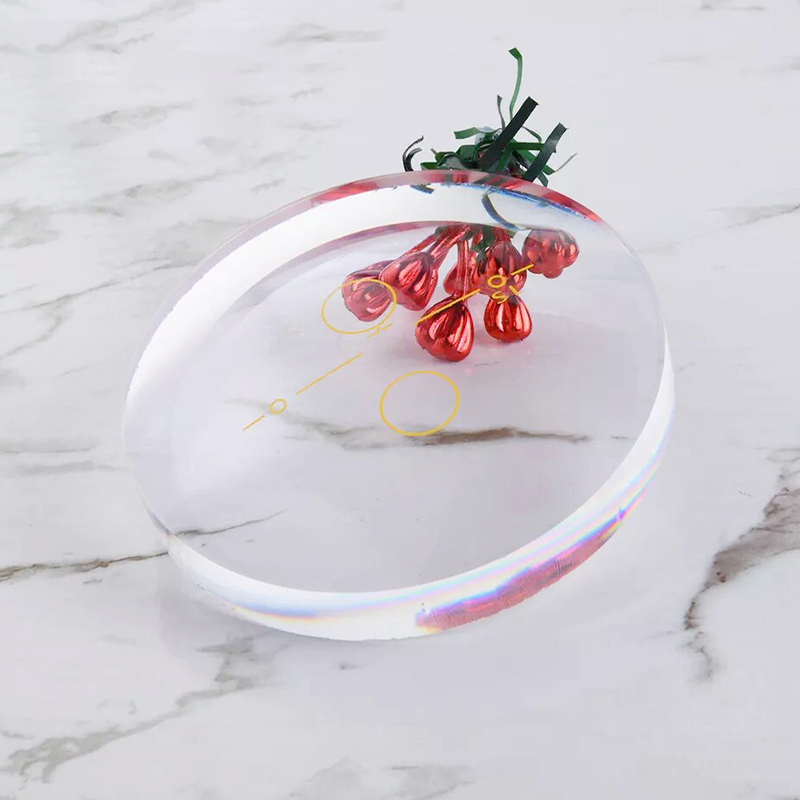
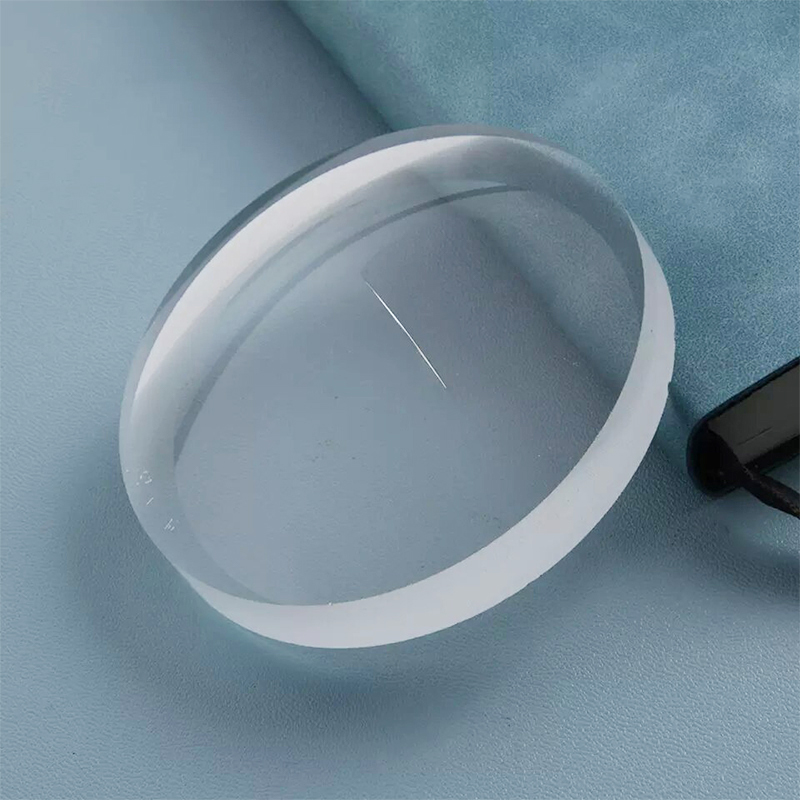
Impact Resistant Polycarbonate Lenses, commonly known as "Poly" or PC lenses, are the undisputed standard for safety and durability in the optical industry. Originally developed for aerospace applications like astronaut helmet visors and bullet-resistant glass, polycarbonate is a thermoplastic material, distinguishing it from standard thermoset optical resins. Its unique molecular structure allows it to absorb massive amounts of kinetic energy by deforming rather than shattering upon high-velocity impact. This property makes PC lenses virtually unbreakable under normal use conditions, positioning them as the essential choice for children's eyewear, sports goggles, industrial safety glasses, and active adults. Beyond its legendary toughness, polycarbonate is inherently lightweight—approximately 30% lighter than standard CR-39 plastic—and possesses natural UV-blocking properties, filtering out 100% of harmful UVA and UVB rays without requiring additional additives. However, the natural softness of the raw PC material requires advanced surface engineering. Our Polycarbonate lenses are treated with a premium, nano-engineered thermal-cured Hard Coating on both sides. This significantly elevates their scratch resistance to a level comparable with standard resins, ensuring that their safety benefits are matched by long-term optical clarity. Tested to meet rigorous international standards like ANSI Z87.1, these lenses provide an unparalleled shield for the eyes in demanding environments.
Specification
| Material Base | Optical Grade Polycarbonate (Thermoplastic) |
| Refractive Index | 1.59 |
| Impact Standard | Meets ANSI Z87.1 High Velocity Impact |
| UV Cut | 100% UV400 (Inherent) |
Technological Highlights: Premium Monomers and Coating Integrity
- High-Purity Monomer Selection: We exclusively use high-performance monomers (e.g., MR-series) to achieve superior tensile strength and optical purity, resulting in excellent clarity and minimal risk of yellowing over time.
- Precision Liquid Casting Process: The lenses are produced via a controlled liquid casting method that ensures uniform material density and refractive index consistency across the entire blank, which is critical for accurate therapeutic power zones.
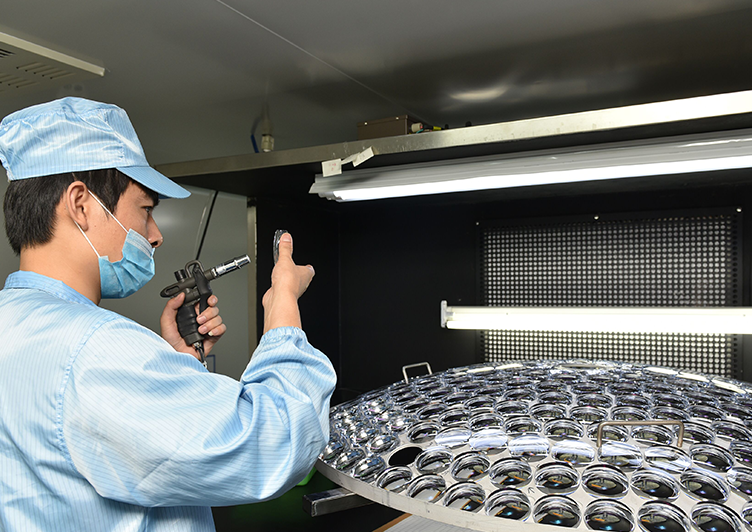
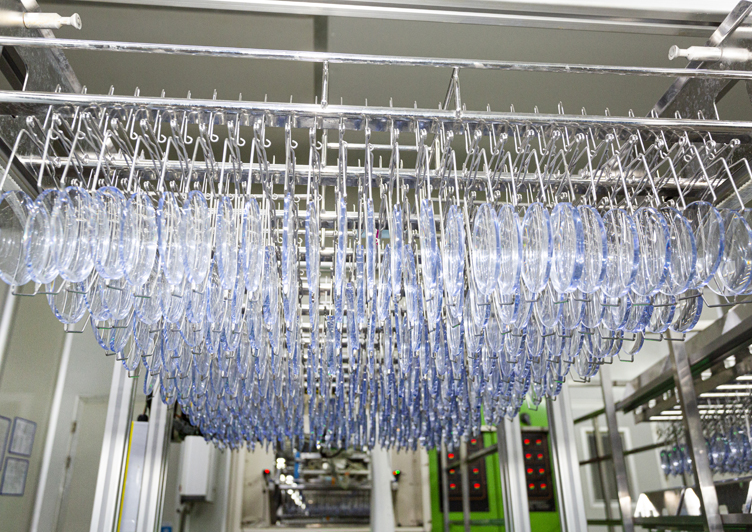
- Advanced Vacuum Multi-Coating (SHMC): Coatings are applied in a high-vacuum chamber, using multiple layers of metallic oxides to create a durable, anti-reflective stack. This process guarantees maximum light transmission and minimal glare.
- Thermal Curing Optimization: A slow and precise thermal curing cycle is employed to maximize the material’s resistance to internal stress, ensuring the finished lens remains stable and optically perfect under varying temperature conditions.
- Integrated Peripheral Defocus Geometry: The therapeutic design is engineered into the mold itself for cast lenses, or applied via digital surfacing for semi-finished blanks, guaranteeing the accuracy and consistency of the myopia control zone geometry.
Application
- Children and teenagers needing durable eyewear
- Athletes involved in ball sports or high-impact activities
- Industrial workplaces requiring certified safety glasses
- Drill-mount rimless frames requiring high tensile strength
Advantage
- Virtually shatterproof, offering ultimate eye protection
- Significantly lighter than standard plastic lenses
- Natural, complete UV400 protection built into the material
- Excellent suitability for rimless drill mounting
-
0+
Years' Experience
-
0㎡
Plant Area
-
0+
Exported to Countries
-
0million lenses
Annual Capacity
Customization
Customized For Your
Business
-
01
Complete Customization Capability
-
02
Professional Lens Architecture
-
03
Functional Coating Customization
-
04
Digital Rx Customization
-
05
Branding & Packaging
-
06
Delivery & Support






Frequently Asked Questions (FAQ)
- Q: Are Polycarbonate lenses truly unbreakable?
- A: They are virtually shatterproof under virtually all normal wear and impact conditions.
- Q: Why is their UV protection better?
- A: The chemical structure of polycarbonate naturally blocks UV without needed additives.
- Q: Do they scratch easily?
- A: Raw PC is soft, but our premium Hard Coating makes them very resistant to scratches.
- Q: Are they good for rimless glasses?
- A: Yes, they are excellent due to their high tensile strength and resistance to cracking at drill points.
- Q: How thick are they compared to standard plastic?
- A: With a 1.59 index, they are significantly thinner than standard 1.50 lenses.
- Q: Can they be tinted?
- A: PC is difficult to tint after manufacturing; we recommend buying pre-tinted or polarized PC lenses.
- Q: Is the optical quality good?
- A: While the Abbe value is lower (around 30), it provides acceptable clarity for most users, especially given the safety benefits.
- Q: Are they safe for chemicals?
- A: PC can react to certain solvents like acetone; use only recommended lens cleaners.
- Q: Are they heavy?
- A: No, they are among the lightest lens materials available.
- Q: Do you have them in stock?
- A: Yes, we maintain a large inventory of finished and semi-finished PC blanks.
Payment and Shipping Policy
- Payment: T/T, L/C accepted. 30% deposit for bulk orders.
- Shipping: Fast air freight for samples/small orders; economical sea freight for containers.
- Packaging: Individual paper envelopes packed into master cartons.
- Lead Time: 10-15 days for standard stock items.
Comprehensive Business Information
| MOQ | 200 Pairs (Stock) |
| Lead Time | 10-15 Days |
| Packaging | Standard export cartons with moisture protection. |
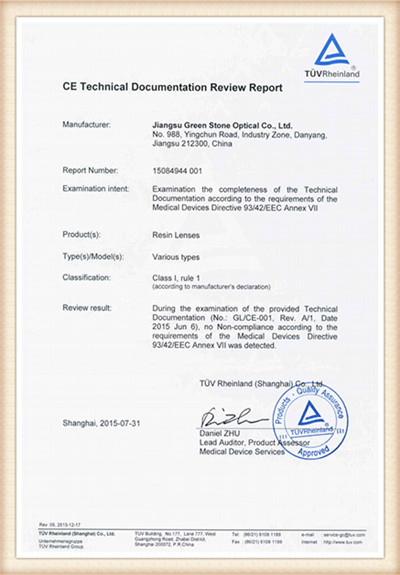
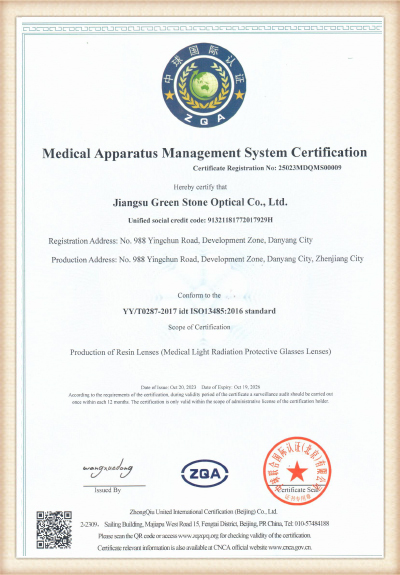
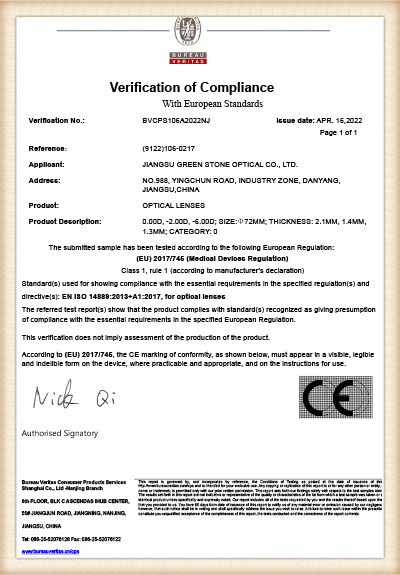
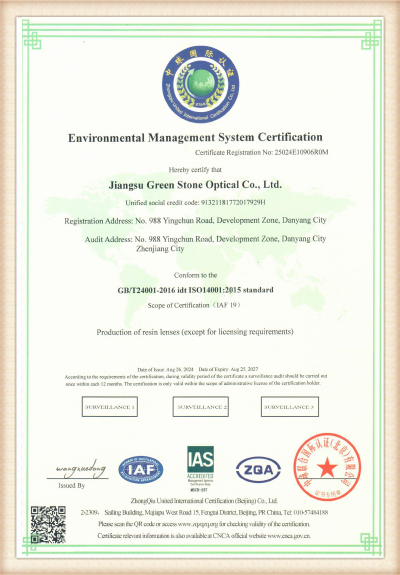
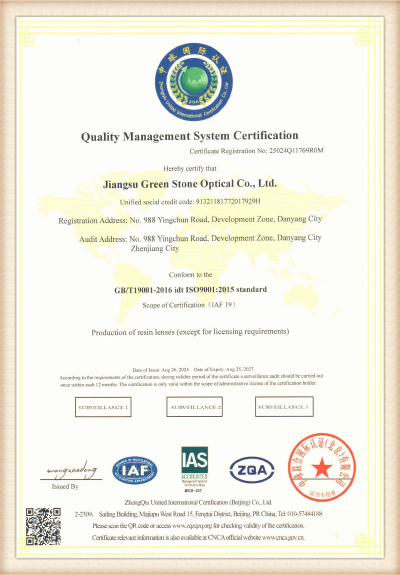
| Certifications | CE, FDA, ISO9001, ANSI Z87.1 compliant. |
| Raw Materials | Premium Optical Polycarbonate Granules. |
| Customization | Available with HMC, Super Hydrophobic, and Blue-Cut coatings. |