

 Español


The Rise of Blue Block Lens in the Modern Visual Environment
In the 21st century, human lifestyles have undergone an unprecedented transformation. We have evolved from a species reliant on natural light to screen species. According to recent global digital reports, modern adults spend an average of more than 10 hours a day on various digital devices. From smartphones upon waking to office monitors and evening tablet use, our eyes are exposed to artificial light sources almost around the clock.
This long-term, close-range, and high-intensity eye use has triggered a series of visual health issues defined by the medical community as Digital Eye Strain or Visual Display Terminal (VDT) Syndrome. Among these negative effects, the potential chronic damage to the macular area of the retina caused by High-Energy Visible (HEV) blue light has become a core focus of public concern. It is within this intersection of anxiety and health demand that the Blue Block Lens has rapidly moved from a specialized medical niche into the mass market.
What is a Blue Block Lens?
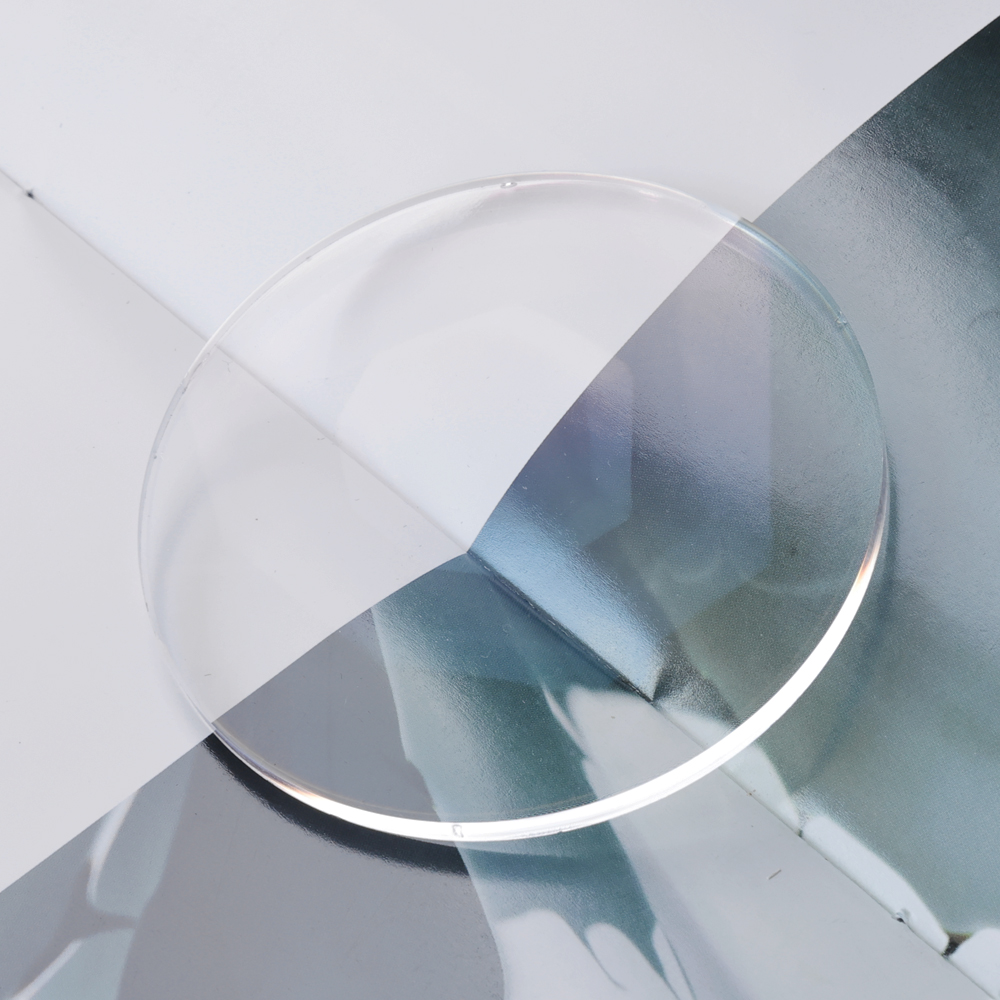
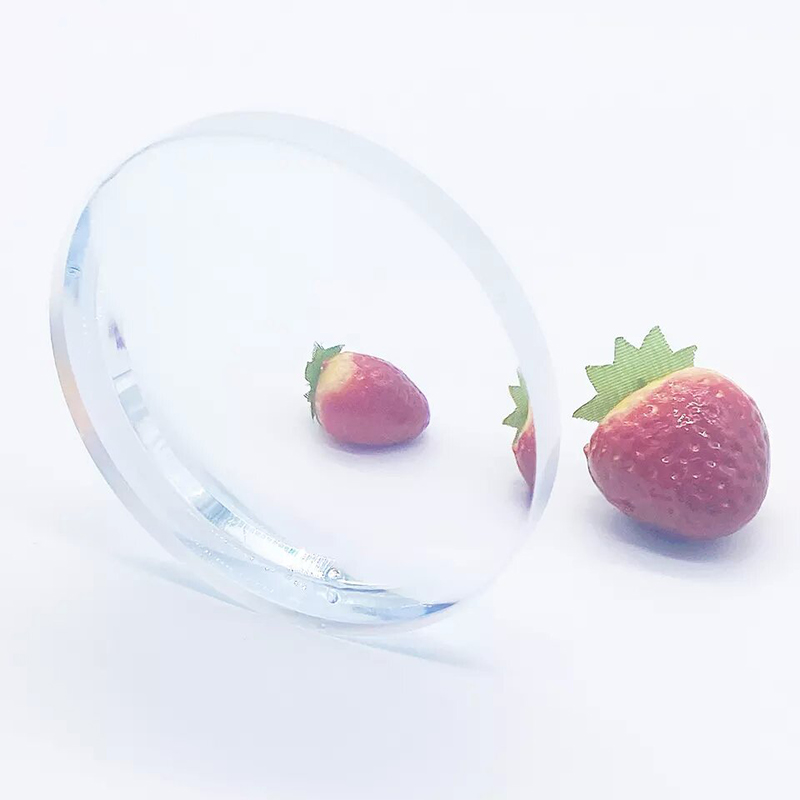
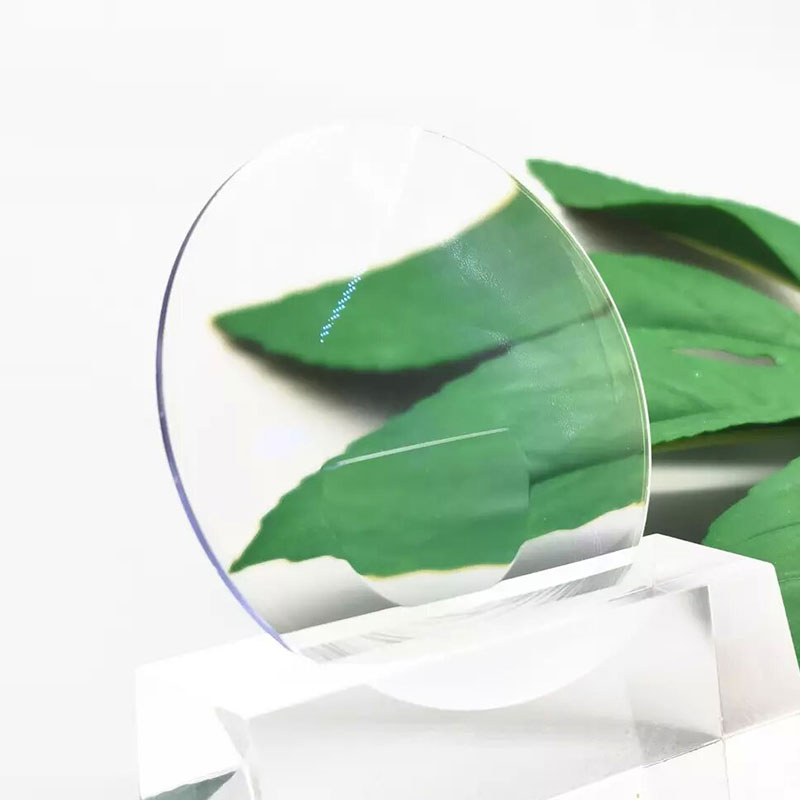
From an optical physics perspective, a Blue Block Lens is not merely a tinted lens. It is a specialized lens designed to selectively filter blue light with wavelengths between 380nm and 500nm using specific optical substrate materials or coating technologies. Its core principles are divided into two main categories:
Absorption (Substrate Absorption): Anti-blue light factors are added directly to the lens raw material to absorb blue light as it passes through. These lenses typically have a slight yellowish tint but offer stable protection that is not affected by surface scratches.
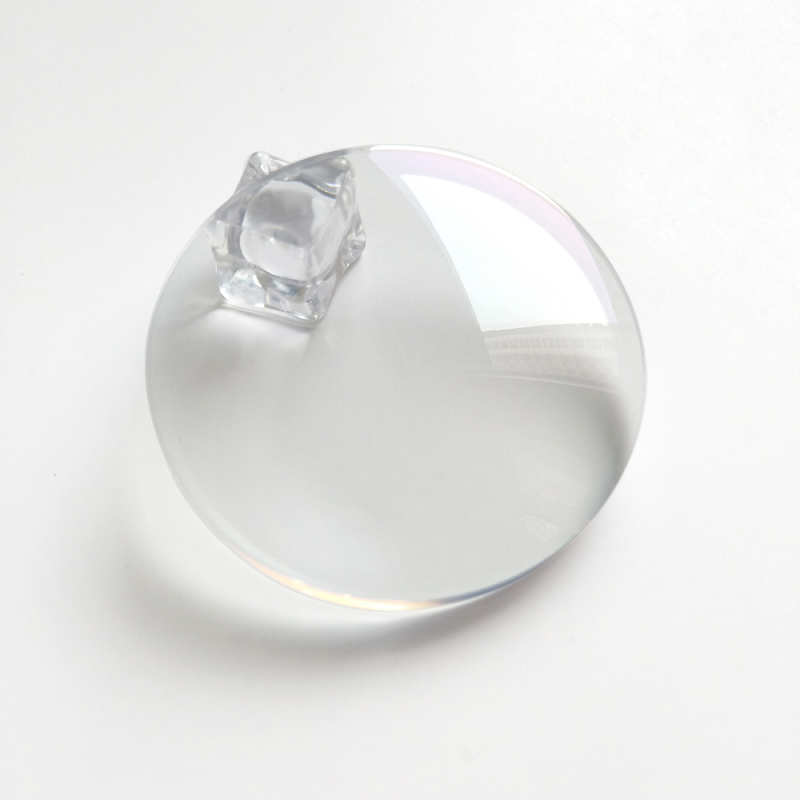
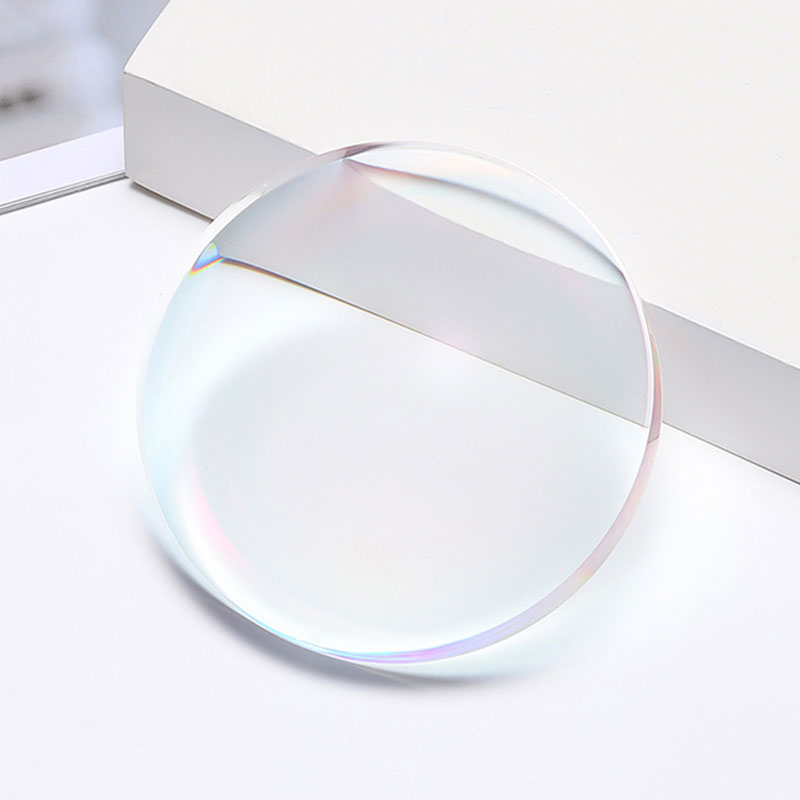
Reflection (Coating Reflection): An interference coating is applied to the lens surface to reflect specific wavelengths of blue light using thin-film interference principles. These lenses usually show distinct blue or purple reflections on the surface and have a relatively clearer base color.
Comparison of Blue Block Lens Protective Parameters
To help users better understand protective effects, here is a detailed comparison of the core indicators of mainstream Blue Block Lens technologies:
| Parameter | Substrate Absorption | Coating Reflection | Hybrid Technology |
| HEV Block % | High (30% - 80% adjustable) | Moderate (15% - 30%) | Very High (40% - 90%) |
| Visible Light Transmission (VLT) | Lower (Yellowish tint) | Higher (More transparent) | Balanced (Optimized color) |
| Color Distortion | Noticeable (Warm tone) | Slight (Close to true color) | Slight to Moderate |
| Durability | Excellent (Independent of coating) | Average (Drops with scratches) | Good |
| Surface Reflection | Low (More comfortable) | High (Blue/Purple reflection) | Low to Moderate |
| Best Use Case | Deep office work, gaming | Daily use, light screen time | Design, high-intensity monitoring |
As technology evolves, the Blue Block Lens is no longer just a simple filter; it has begun to integrate deeply with myopia correction, astigmatism correction, and progressive multifocal technologies. However, the rise of public anxiety is also significant: since blue light is everywhere, should we wear them 24/7 as a daily accessory?
The Dual Nature of Blue Light: Not All Blue Light is the Enemy
Before discussing whether to wear a Blue Block Lens all the time, we must break a common misconception: blue light is not a single, entirely harmful light. In fact, it exists widely in nature as a vital component of sunlight and plays a key role in regulating human physiological functions.
The scientific community typically divides the blue light spectrum (380nm to 500nm) into two distinct bands.
Harmful Blue Light: HEV Blue Light (415nm - 455nm)
This band is known as High-Energy Visible Light. Due to its extremely short wavelength and high energy, it has strong penetrative power.
Retinal Stress: Long-term exposure may induce oxidative stress in retinal pigment epithelial cells, accelerating the aging of the macular area.
Scattering Phenomenon: Blue light in this band scatters most easily within the eye, leading to decreased image contrast, which causes visual blur and eye fatigue after long screen sessions.
Beneficial Blue Light: Blue-Turquoise Light (465nm - 495nm)
This is the Biological Blue Light essential for human health. It affects the pineal gland in the brain via melanopsin-containing retinal ganglion cells.
Circadian Rhythm Regulation: Blue-turquoise light during the day inhibits the secretion of melatonin, keeping people awake, focused, and in a positive mood.
Cognition and Emotion: Appropriate amounts help enhance memory, increase alertness, and improve Seasonal Affective Disorder (SAD).
Blue Light Band Comparison Table
| Feature | Harmful Blue-Violet Band | Beneficial Blue-Turquoise Band |
| Wavelength Range | 415nm - 455nm | 465nm - 495nm |
| Energy Level | Very High | Moderate |
| Main Sources | LED backlights, Smartphones | Natural daylight, ambient light |
| Ocular Impact | Potential retinal damage, fatigue | Pupil reflex, improved contrast |
| Physiological Impact | Disrupts deep sleep (at night) | Regulates clock, boosts mood |
| Lens Mission | Precise blocking/filtering | Maximum transmission |
The Technical Challenge of the Blue Block Lens
The real challenge is that if a Blue Block Lens simply blocks all light below 500nm, it protects the retina but cuts off the circadian rhythm signals. Long-term daytime use of such total-block lenses can trick the brain into thinking it is always twilight. This can lead to daytime drowsiness, lack of focus, and long-term biological clock disruption. Modern professional lenses strive for selective filtering to block the bad while keeping the good.
Potential Negative Impacts of All-Day Wear
While the Blue Block Lens excels at blocking harmful screen light, wearing it around the clock is scrutinized by the medical community. Over-reliance on artificial filters can break the body's delicate balance.
Circadian Rhythm Disruption
If a high-blocking Blue Block Lens is worn all day, the brain may miss the signals needed to regulate the body's clock.
Daytime Drowsiness: Melatonin is not fully suppressed during the day, leading to lethargy.
Sleep Fluctuations: Vague biological clock signals can lead to difficulty falling asleep or shortened deep sleep.
Mood and Mental Health
Light is involved in the synthesis of chemicals in the brain.
Serotonin Levels: Moderate blue light helps maintain serotonin, a neurotransmitter associated with happiness. Over-filtering can increase the risk of low mood or depressive tendencies, especially in low-light seasons.
Color Perception and Contrast Adaptation
Color Distortion: The yellow tint of the lens changes the original color saturation. This can lead to professional judgment errors for designers or artists.
Visual Reliance: After adapting to the lower contrast provided by the lens, the eye's ability to adapt to natural bright light may temporarily decrease when the glasses are removed.
Special Impact on Adolescent Visual Development
Axial Growth: Research indicates that natural outdoor light (including full-spectrum blue light) is active in preventing myopia. Blue light stimulates the retina to secrete dopamine, which inhibits excessive eye-length growth.
Purkinje Shift Disruption: Restricting specific wavelengths long-term may interfere with the eye's automatic adjustment mechanisms between dark and bright environments.
Why You Feel Dependent on Your Blue Block Lens
Many users feel immediate eye strain or glare when they take off their Blue Block Lens. This dependency is often more complex than just blue light damage.
The True Triggers of Digital Eye Strain (CVS)
Decreased Blink Rate: People normally blink 15-20 times per minute, but this drops to 5-7 times when staring at a screen, causing dry eyes.
Muscle Fatigue: The ciliary muscles remain in a state of tension to focus on pixels, which is the primary cause of tiredness.
How the Lens Provides Comfort
Increased Contrast: By filtering scattered short-wave light, the Blue Block Lens makes images look sharper, reducing the brain's processing load.
Glare Reduction: The warm tint acts as a soft filter for cold LED brightness, making the visual experience gentler.
Psychological Dependency and Placebo Effect
The sense of security from wearing protective gear can lower the brain's sensitivity to eye discomfort. Sometimes, this psychological comfort is more effective than the physical parameters of the lens.
Masking Refractive Errors
If a user has uncorrected slight astigmatism, a high-quality Blue Block Lens may reduce light distortion, providing relief that masks the underlying need for a corrective prescription.
Scientific Wearing Guide: When to Wear and When to Take Off
The Golden Scenario: Focused Screen Time
Wear your Blue Block Lens when facing computers or tablets for more than 1 hour. It reduces visual interference from screen flickers and eases ciliary muscle spasms.
Critical Defense: 2-3 Hours Before Bed
This is the core period for the lens to regulate physiology by preventing melatonin suppression from evening device use.
Recommended Removal: Natural Light Environments
Take off the Blue Block Lens when outdoors or in natural light. Allow the eye to receive beneficial blue light to reset the biological clock and boost mood.
Professional Selection Reference Table
| User Group | Recommended Block % | Lens Tint | Primary Goal |
| Office Workers | 15% - 30% | Clear | Comfort, social suitability |
| Designers | 10% - 20% | Ultra-clear | High color fidelity |
| Gamers | 40% - 65% | Yellow tint | Contrast, max fatigue relief |
| Insomniacs | 80% - 95% | Amber/Orange | Melatonin management |
| Students | 20% - 30% | Natural balance | Protection without axial interference |
Essential Eye Care Beyond Lenses
The 20-20-20 Rule
Every 20 minutes, look at something 20 feet away for 20 seconds. This forces the ciliary muscles to relax.
Ambient Lighting
Eliminate Glare: Adjust screen angles to avoid window or lamp reflections.
Balanced Brightness: Ensure the room is well-lit; never use a bright screen in a pitch-black room.
Conscious Blinking
Make an effort to blink slowly 10-15 times during breaks to redistribute the tear film and alleviate dry eye symptoms.
FAQ and Scientific Knowledge
Q1: Is a yellower Blue Block Lens always better?
Science: Not necessarily. Depth of tint usually relates to the blocking ratio. Professional color workers should choose balanced lenses with 15%-20% blocking. Deep amber lenses are best reserved for late-night use or severe insomnia.
Q2: How can I test my Blue Block Lens at home?
Science: Observe the reflection and the white paper test. A high-quality lens will make white paper look slightly warm/off-white. Also, check if the lens reflects blue or purple light when held toward an LED source.
Q3: How should I clean these specialized lenses?
Science: Strictly avoid alcohol, dish soap with citric acid, or clothing corners. Use flowing room-temperature water, a neutral soap, and dry with a dedicated microfiber cloth in one direction.
Q4: Is Night Mode on my phone enough?
Science: Software reduces blue light output, which is similar in principle to a Blue Block Lens, but it often causes severe color distortion and doesn't filter ambient LED room lights. Combining both is best.
Q5: Will long-term use cause dependency that weakens my vision?
Science: No. The lens does not change the eye's structure. You feel dependent because your eyes have adapted to a more comfortable, high-contrast environment. Removing them simply returns you to a high-stimulus environment.