

 Español



HMC coating is worth it for most prescription lenses, but not as a blind upgrade
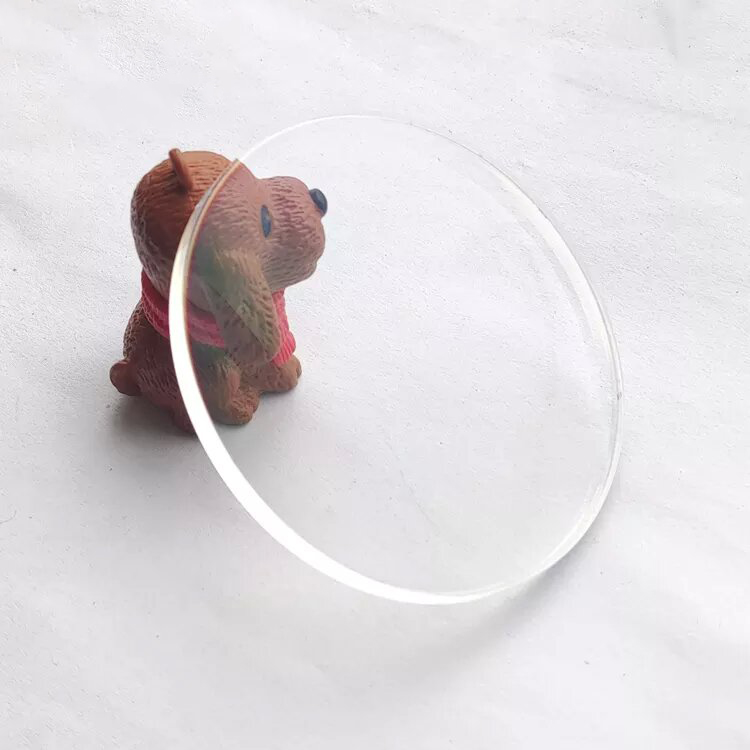
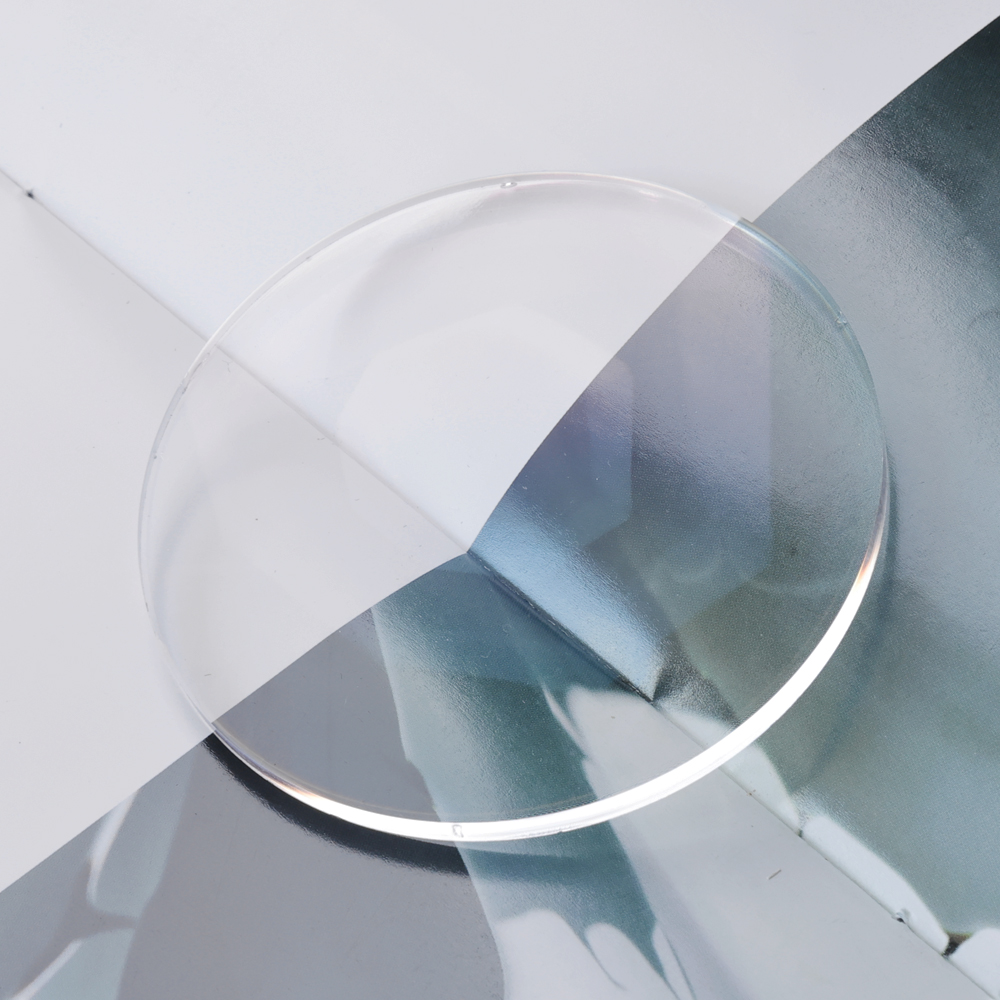
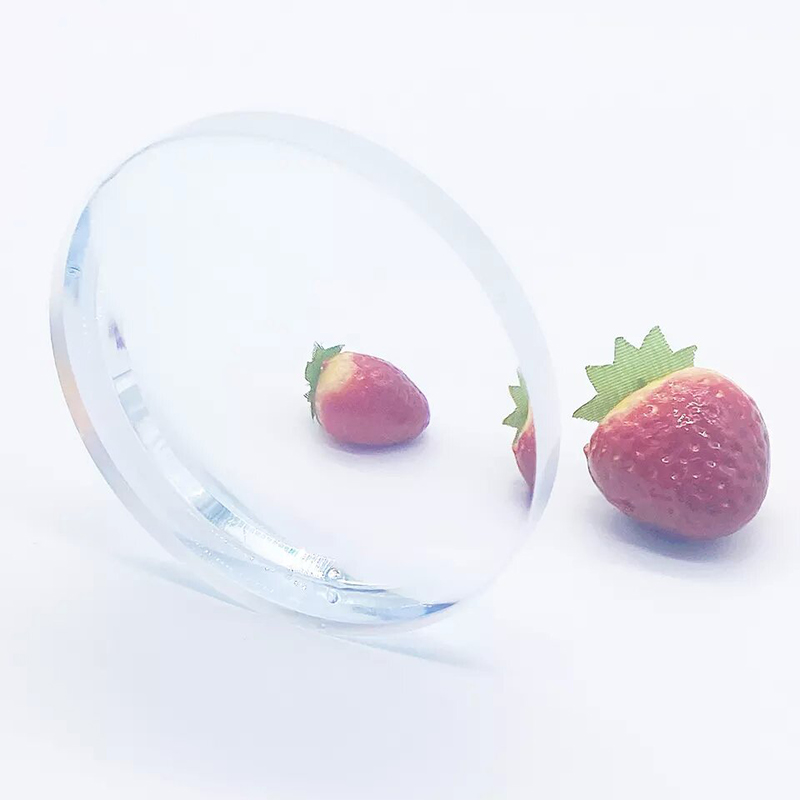
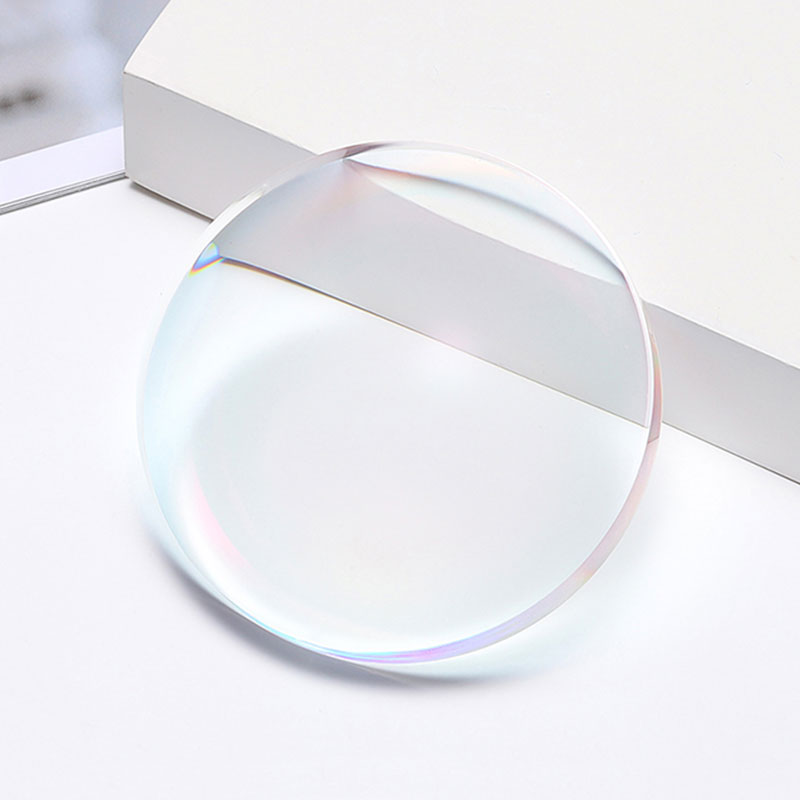
If an uncoated 1.56 lens and an HMC-coated 1.56 lens sit side by side on a fitting table, the difference is easy to see before either lens is mounted. The uncoated surface shows a strong reflection of the ceiling lights, while the HMC surface looks darker and more transparent because more light is passing through the lens instead of bouncing back toward the wearer. That visual difference is the first clue to the practical answer: HMC coating is usually worth it for everyday prescription eyewear, especially for higher-index lenses, progressives, polycarbonate lenses, office lenses, and anything worn for long screen sessions or night driving. The value is less certain for a very low-use backup pair, a temporary pair, or a fashion frame that will be worn a few hours per month.
HMC is not simply a premium label. It is a coating stack with a hard coat for abrasion resistance, multiple anti-reflective layers for light transmission and glare control, and usually a top hydrophobic and oleophobic layer for cleaning. The quality of that stack matters more than the three letters on the order form. A well-built HMC lens can keep its clarity for one to three years of normal wear, while a poorly adhered coating can fail in months. The real question is not “HMC or nothing?” It is “Does this HMC specification fit the way the lens will be worn, cleaned, and replaced?”
Practical verdict: choose HMC when the lens is expected to last, when the prescription is high, when the lens is progressive or occupational, or when reflections affect comfort and appearance. Choose uncoated only when first cost is the dominant constraint and the lens is genuinely short-term.
What the letters HMC mean on a lens order
HMC stands for hard multi-coating. In common optical manufacturing language, it refers to a hard coating combined with a multi-layer anti-reflective coating. The hard coat is the base that improves resistance to daily abrasion. The anti-reflective layers use thin-film interference to reduce surface reflections across the visible spectrum. The top coat, when specified, adds water and oil repellency so fingerprints and skin oils wipe away more easily.
This is why HMC should not be confused with a single “hard coat only” treatment. A hard-coated lens without anti-reflective layers can be more scratch resistant than a bare lens, but it still reflects a noticeable amount of light. An anti-reflective coating without a hard coat can improve clarity but may be fragile in daily use. HMC is the combination that most wearers expect: better scratch resistance, lower reflection, and easier maintenance in one package.
Hard coat, anti-reflective layer, and top coat do different jobs
The hard coat protects the lens surface from small abrasions, cleaning marks, and the grit that collects on a microfiber cloth. The anti-reflective layers improve light transmission and reduce glare, ghost images, and the “headlight smear” some wearers notice at night. The top coat changes surface energy so water beads up and oily smudges do not bond as tightly to the lens. If one layer is missing or poorly applied, the lens may still look acceptable on day one but disappoint after a few months of cleaning and handling.
For buyers comparing quotes, the useful question is not only “Is HMC included?” but “What is the coating stack, what adhesion test does the factory use, and what is the expected service life under normal cleaning?” A low-price HMC offer with no coating durability data is not the same product as a controlled HMC stack with adhesion, abrasion, humidity, and transmission checks.
Why uncoated lenses cost less, and where the saving disappears
Uncoated lenses cost less because they skip several manufacturing steps. There is no hard coat curing, no vacuum coating cycle, no multi-layer anti-reflective deposition, and no top-coat application. There is also less handling risk, fewer cosmetic rejection points, and a shorter production route. For a very low-cost pair, that difference is real. The first invoice is lower, and the lens can be delivered faster.
The saving often disappears in use. An uncoated standard resin lens is softer than a hard-coated lens, so it collects fine scratches from cleaning, case dust, and table contact. Those scratches scatter light and make the lens look hazy under strong light. The surface also reflects more light, so the wearer may see more glare from screens, streetlights, and overhead fixtures. When the lens is replaced earlier than expected, the lower purchase price can turn into a higher cost per year.
This is especially true for higher-index materials. High-index lenses have a higher surface reflectance than standard 1.499 resin, so an uncoated 1.67 or 1.74 lens can show more visible reflections unless an anti-reflective stack is applied. The same logic applies to polycarbonate and other impact-resistant materials used in children’s eyewear, sports frames, and safety-oriented designs. The material may be strong, but the surface still benefits from a hard coat and anti-reflective treatment.
Relative surface reflection and light use
The chart is a practical illustration, not a specification. Actual reflectance depends on lens material, coating design, wavelength, and test method. Two surfaces are involved, so small per-surface changes can produce a visible difference in wear.
Reflection, contrast, and night driving: the optical case for HMC
An uncoated lens surface reflects roughly 4% of light at each air-to-lens interface under normal conditions, so a two-surface lens can reflect around 8% in total. That reflected light does not disappear. It can become glare from an overhead lamp, a pale ghost image of a phone screen, or a veiling haze around headlights at night. The effect is not always dramatic in a well-lit shop, but it becomes more noticeable in low light, during long screen sessions, and in photographs or video calls where the lens surface catches a light source.
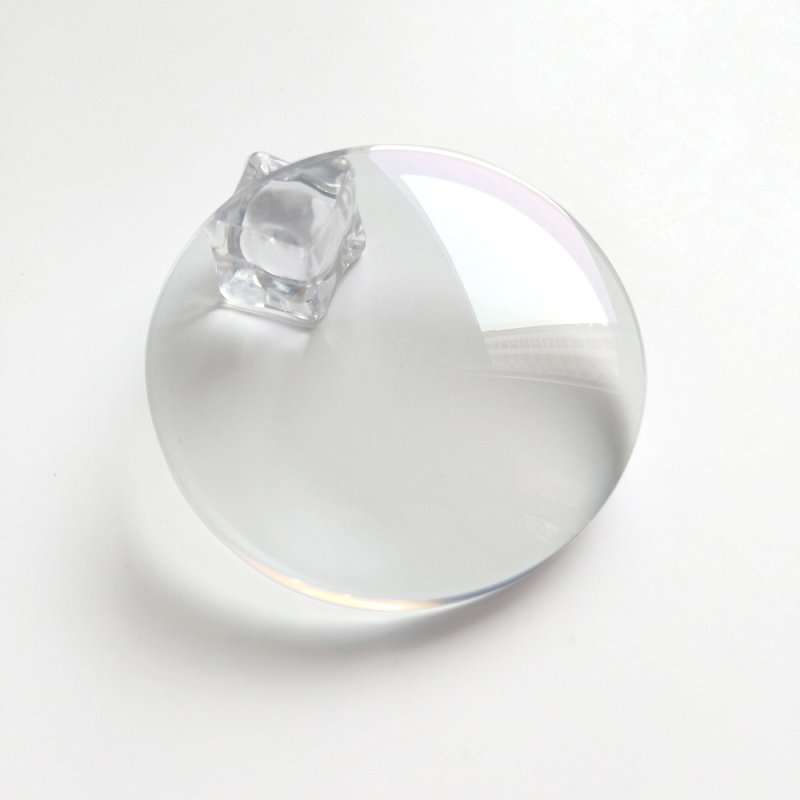
HMC uses multiple thin layers with different refractive indices to create destructive interference at the lens surface. The result is lower reflectance across a broad wavelength range and higher useful light transmission. In practical terms, the wearer sees less reflection of their own eye and surrounding light, better contrast in dim conditions, and a clearer view through the lens. The cosmetic benefit is also real: HMC lenses look less like a mirror and more like clear glass, which matters for frames with thin rims and for anyone who spends time on camera.
Not all HMC stacks are equal. A simple green-reflex coating may reduce reflection in the middle of the visible spectrum but leave a color cast at the edges. A well-balanced broadband stack aims for low reflectance across the visible range and a neutral residual color. For night driving, the important point is not a marketing claim of “zero glare” but whether the coating reduces surface reflections without creating noticeable color fringing or haze. A clean, well-adhered HMC lens is easier to live with than a high-reflectance uncoated lens, especially when the prescription is strong and the lens edges are thick.
What wearers notice first
- Less glare from overhead lights and monitor screens.
- Better contrast in low light and during night driving.
- Less visible reflection in photos and video calls.
- Cleaner appearance because the eye is easier to see through the lens.
- Less ghosting from bright light sources at the edge of the lens.
Scratch resistance and service life: HMC changes the daily wear equation
Uncoated resin is relatively soft. Daily cleaning with a tissue, a dusty cloth, or a shirt hem can leave fine lines that gradually scatter light. A hard coat improves abrasion resistance, and an HMC stack normally includes that hard coat beneath the anti-reflective layers. That does not make the lens scratch-proof. It means the lens is better able to survive normal handling before visible damage appears. The difference is most obvious in the first six to twelve months, when an uncoated lens may already show cleaning marks while a good HMC lens still looks clear.
Scratches matter beyond appearance. Fine scratches scatter light and reduce contrast, especially at night. They can also create a place for cleaning residue to collect, which makes the lens harder to keep clear. If scratched lenses are replaced early, the cost of replacement can be higher than the coating upgrade. For a wearer who cleans lenses daily, works at a screen, drives at night, or handles glasses roughly, HMC is often the lower-cost choice over a two- or three-year period.
The coating still needs reasonable care. Grit trapped in a microfiber cloth can abrade even a hard-coated surface. High heat can stress the coating stack, and harsh chemicals can attack the top coat. For a closer look at how surface damage begins, see this guide to the causes of lens scratches. The practical lesson is simple: HMC improves durability, but it does not replace basic cleaning discipline.
Cleaning, smudges, and the top coat people forget to specify
An uncoated lens attracts skin oils, sunscreen, and fingerprints because there is no low-surface-energy top layer to repel them. The smudge can be wiped away, but it often spreads before it lifts, and the cleaning action itself may leave fine marks. HMC with a hydrophobic and oleophobic top coat changes that behavior. Water beads up, oils sit on the surface instead of bonding, and a clean microfiber cloth lifts residue with less pressure. That small daily improvement matters over years of wear.
The top coat is also a weak point if the lens is cleaned incorrectly. Alcohol-based cleaners used too often, hot water, steam, and abrasive paper products can degrade the top layer. Once the top coat is worn, the lens may still be optically clear but will smudge more easily and feel less smooth. For a controlled HMC product, the factory should verify both the coating adhesion and the surface properties after environmental testing, not only the appearance under a lamp.
Practical care rules that protect HMC
- Rinse grit away with lukewarm water before wiping the lens.
- Use a clean microfiber cloth and replace it when it becomes oily or gritty.
- Avoid paper towels, tissues with lotion, and clothing hems.
- Use lens cleaner sparingly and avoid harsh solvents.
- Store glasses in a case rather than face-down on a table.
- Do not leave lenses on a dashboard or near a heater.
When uncoated lenses can be the rational choice
There are narrow situations where uncoated lenses make sense. A very low-use backup pair, a temporary pair for a short event, a costume frame, or an emergency spare kept in a drawer may not justify a full HMC stack. A low-cost frame that will be replaced in a few months may also be a case where the first price matters more than long-term clarity. In those cases, the buyer should understand the trade-off: more reflection, softer surface, more frequent cleaning, and a higher chance of visible scratches.
Children’s eyewear is sometimes used as an argument for uncoated lenses because children can be rough on glasses. That argument is weaker than it sounds. Children often touch, drop, and clean their lenses frequently, and scratched lenses can reduce visual comfort during schoolwork and outdoor play. A hard-coated HMC lens with a suitable impact-resistant material is usually a better balance than a bare lens, provided the frame fits well and the lenses are not exposed to extreme heat or abrasive environments. The right answer depends on replacement cycle and handling, not age alone.
Uncoated lenses are also a poor match for high-index prescriptions. The higher the refractive index, the more important anti-reflective treatment becomes for appearance and light transmission. A thick, highly reflective edge can make a high-index lens look bulky even when the material is doing its job. HMC improves the visual result and helps the lens look thinner than its raw edge would suggest.
When HMC pays back fastest
HMC pays back fastest when the lens is worn for long hours, when the prescription is strong, when the lens design is complex, or when the wearer is sensitive to glare. A progressive lens has a larger surface area and more off-axis viewing zones, so reflections can be more distracting. An occupational lens used for desk work may sit in front of a monitor for eight hours a day. A polycarbonate lens used in sport or children’s eyewear needs surface durability as well as impact resistance. A high-index lens needs anti-reflective treatment to look as clear as possible.
A 1.56 single-vision lens with HMC or SHMC is a practical baseline for everyday prescription eyewear. It balances cost, optical performance, and coating durability for many wearers. For screen-heavy routines, a blue-block HMC lens can combine reflection control with a separate blue-light filtering function, but the HMC layer and the blue-light function should be specified as separate features. For outdoor use, a photochromic HMC lens can darken in daylight while keeping surface reflections low indoors and in shade. The key is to match the coating to the wearing environment rather than treating every HMC order as identical.
For teams building a regular RX lens range, the coating decision should be documented by lens type, material, and expected use. A single-vision 1.56 lens for a low-use backup pair does not need the same stack as a 1.67 progressive for a daily driver. Reviewing regular RX lens options by material and design helps keep the coating choice consistent with the prescription and the frame.
 SETO 1.56 Single Vision Lens with HMC/SHMC CoatingsA stock 1.56 resin single-vision lens with HMC or SHMC coating choices, suited to regular prescription eyewear and backup pairs.View Product →
 SETO 1.60 Blue Block Lens with HMC/SHMC CoatingA clear 1.60 resin blue-block lens that filters UV and part of harmful blue light, offered with HMC/SHMC coatings for prescription eyewear.View Product →
 SETO 1.60 Photochromic Lens with SHMC CoatingA resin photochromic lens that darkens under light and UV and returns clear indoors, offered with SHMC coating for indoor-outdoor prescription use.View Product →
HMC, SHMC, blue light, and photochromic: separate decisions
HMC and SHMC are often listed together, but they are not identical. HMC describes a hard multi-coating with anti-reflective layers. SHMC usually indicates a super hydrophobic multi-coating, often with a more advanced top layer for water and oil repellency. The difference is mainly in cleaning ease and surface durability, not in the basic optical principle. A good HMC lens can be perfectly clear; an SHMC lens may be easier to keep clean in humid or oily conditions.
Blue-light filtering is a separate function. An HMC coating reduces surface reflections, but it does not automatically block blue light. A blue-block lens needs a specific absorber or reflective layer designed for that purpose. Photochromic behavior is also separate: the lens darkens when exposed to ultraviolet light and returns to a clearer state indoors. HMC can be applied to photochromic lenses, but the coating and the photochromic chemistry should be tested together because the darkening and fading behavior can be affected by the total stack.
| Option | Main benefit | Main limitation | Best fit |
|---|---|---|---|
| Uncoated lens | Lowest first price and simplest production route | Higher reflection, softer surface, more cleaning effort | Short-term backup or very low-use pair |
| HMC lens | Lower reflection, better abrasion resistance, easier cleaning | Can fail if coating quality is poor or care is harsh | Daily prescription wear, high index, progressive, office, night driving |
| SHMC lens | Premium top-coat cleaning performance and surface smoothness | Higher cost; not a substitute for careful cleaning | Humid climates, oily skin, frequent handling, premium frames |
| Blue-block HMC lens | Reflection control plus a separate blue-light filtering function | Blue-light claims vary; not all wearers need the filter | Long screen sessions and users who prefer a warmer transmitted tone |
| Photochromic HMC lens | Outdoor darkening with indoor clarity and reduced reflections | Darkening speed and final tint vary by product and temperature | Users who move between indoors and outdoors during the day |
What a reliable HMC lens should pass before it ships
For a manufacturer, HMC quality is not proved by a glossy sample under a showroom light. It is proved by process control and routine tests. The hard coat needs to cure to the correct thickness and hardness. The anti-reflective layers need consistent thickness and refractive index. The top coat needs to bond without changing the optical performance of the stack. The finished lens should be checked for cosmetic defects, transmission, adhesion, abrasion resistance, and environmental stability.
These checks matter because coating failures are often delayed. A lens that looks perfect on day one can show haze after a humid week, peeling after a cross-hatch test, or cleaning marks after repeated wiping. A controlled HMC process uses documented test methods and batch records so that a coating issue can be traced to a deposition run, a cleaning step, or a curing parameter. For buyers comparing HMC and uncoated lenses, this is the practical difference between a low-cost coating and a reliable coating.
| Checkpoint | What it verifies | Why it matters in use |
|---|---|---|
| Adhesion test | Coating bond to the lens surface | Reduces peeling and edge lift after cutting or mounting |
| Abrasion test | Hard-coat resistance to rubbing and cleaning | Supports clearer lenses over months of daily handling |
| Humidity and heat test | Stability under storage and transport conditions | Helps prevent haze, crazing, and adhesion loss |
| Transmission check | Light transmission and residual color balance | Confirms the coating is optically balanced, not just visually dark |
| Cosmetic inspection | Pinholes, stains, scratches, and coating streaks | Protects the final appearance and reduces returns |
Cost per year, not price per pair
A direct price comparison between HMC and uncoated lenses can be misleading because the two products often have different replacement cycles. If an uncoated lens is replaced after twelve months and an HMC lens lasts twenty-four months under similar care, the HMC lens may be the lower-cost option even with a higher initial price. The calculation should include the lens price, coating price, fitting or handling cost, and the expected replacement interval. For a wearer who notices scratches quickly, the gap often favors HMC.
The table below uses a simple example, not a quote. It is designed to show the logic that optical teams and wearers should apply when comparing offers. Actual prices vary by market, material, prescription, and coating specification.
| Scenario | Initial cost | Expected replacement | Two-year view |
|---|---|---|---|
| Uncoated lens with frequent cleaning | Lowest | Often replaced earlier because of scratches or haze | Lower first invoice, but possible double replacement |
| HMC lens with controlled coating quality | Moderate | Usually kept longer under normal care | Higher first invoice, but better cost per month in many cases |
| HMC lens with poor adhesion | Moderate | May fail early and erase the expected saving | Quality control is the deciding factor, not the HMC label alone |
How to specify HMC for different lens programs
For a prescription lens program, the coating specification should follow the wearer and the lens design. A daily-wear single-vision lens needs a durable HMC stack with good cleaning performance. A progressive lens benefits from a broadband anti-reflective design that keeps reflections low across the reading and distance zones. A polycarbonate lens needs a coating process that adheres well to the material and does not compromise impact resistance. A photochromic lens needs a stack that works with the darkening chemistry and does not leave a noticeable residual color indoors.
For office and screen-heavy lenses, the choice is not simply “more coating.” The lens design should support the working distance, and the coating should control reflections from monitors and overhead lighting. For outdoor lenses, the coating should work with the tint or photochromic function rather than fight it. For high-index lenses, the anti-reflective layer should be optimized for the material and the edge thickness. A coating that performs well on 1.56 resin is not automatically the best choice for 1.74.
- Define the wearing environment: indoor, outdoor, mixed, driving, screen work, sport, or occasional use.
- Match the coating stack to the lens material and refractive index.
- Specify the top-coat performance needed for cleaning and humidity.
- Require adhesion, abrasion, humidity, and transmission checks in the coating process.
- Set a realistic replacement cycle and compare cost per year, not only price per pair.
For a factory-built lens, the most useful sample is not the one that looks best in a photo. It is the one that survives a cleaning routine, a humidity cycle, and a mounting step without haze or edge lift. That is where HMC earns its place in a lens range.
FAQ: HMC coating versus uncoated lenses
Is HMC coating worth it on a low prescription?
Yes, for most daily-wear cases. A low prescription still benefits from less reflection, easier cleaning, and better scratch resistance. The difference is less about prescription strength and more about how often the lens is worn and how long it needs to last. A low-power lens worn every day for two years is a good candidate for HMC.
Does HMC coating prevent scratches completely?
No. HMC improves abrasion resistance, but it is not scratch-proof. Grit, paper products, harsh chemicals, and high heat can still damage the surface. The practical benefit is that normal cleaning and handling are less likely to leave visible marks early in the lens life.
Is HMC the same as anti-reflective coating?
HMC includes anti-reflective layers, but the term also includes a hard coat. A pure anti-reflective coating may not have the same abrasion resistance. A pure hard coat may not reduce reflections. HMC is the combined stack that most wearers mean when they compare coated and uncoated lenses.
Does HMC block blue light?
No, not automatically. Blue-light filtering is a separate function. An HMC lens reduces surface reflections, but a blue-block lens needs a specific absorber or reflective layer. If blue-light filtering is required, specify it separately and ask for the transmission curve.
Are uncoated lenses better for children?
Not automatically. Children often handle lenses frequently and may benefit from a hard-coated HMC lens with suitable impact-resistant material. The frame fit, replacement cycle, and handling habits matter more than age alone. A bare lens may scratch early and reduce visual comfort.
Can HMC be used on photochromic lenses?
Yes. HMC is often combined with photochromic lenses to reduce surface reflections and improve cleaning. The coating and the photochromic chemistry should be tested together because the total stack can affect darkening speed, residual tint, and surface durability.
Is HMC worth it for night driving?
For many wearers, yes. Reducing surface reflections can improve contrast and reduce glare from headlights and streetlights. HMC does not eliminate night glare, and it does not replace an accurate prescription or clean windshield, but it can make the lens surface less distracting.
How long does HMC coating last?
Under normal care, a good HMC lens can remain serviceable for one to three years. Actual life depends on cleaning habits, climate, storage, lens material, and coating quality. A poorly adhered coating can fail much earlier, which is why process control matters.
Should high-index lenses always have HMC?
In most cases, yes. High-index materials have higher surface reflectance, so uncoated lenses can look more reflective and may show more glare. HMC improves appearance and light transmission, especially at the thick edge of the lens.
How can a buyer judge HMC quality?
Ask for the coating stack, adhesion test method, abrasion test method, humidity test, transmission data, and cosmetic inspection standard. A low price without coating durability data is a warning sign. A reliable HMC lens should have documented process control, not only a visual sample.
Ordering checklist before you compare HMC and uncoated lenses
Use this checklist to keep the comparison practical. It works for a single pair, a lens range, or a coating specification review.
- Confirm the lens material and refractive index before discussing coating.
- Decide whether the lens is for daily wear, occasional wear, or short-term use.
- Check whether the wearer needs anti-reflective performance for night driving, screens, or cosmetic clarity.
- Ask whether the HMC stack includes a hydrophobic and oleophobic top coat.
- Request adhesion, abrasion, humidity, and transmission test data.
- Compare cost per expected year of use, not only the first price.
- Keep blue-light filtering and photochromic behavior as separate specification items.
- Review the care instructions with the wearer before delivery.
For most prescription eyewear, HMC is worth the upgrade because it improves the daily experience of wearing and maintaining a lens. The exception is a genuinely short-term pair where first cost is the only priority. The deciding factor is not the word “coated” on the order; it is whether the coating stack is specified for the material, the prescription, and the way the lens will be used.