

 Español



Blue-light glasses are not a universal fix for tired eyes. In a dispensary, the first useful question is not simply “Do they work?” but “What is this lens expected to change for this wearer?” A lens that filters a modest share of short-wavelength light may improve evening comfort for one patient, do very little for another, and create a noticeable color cast for a third. The outcome usually comes down to the lens transmission curve, the filter method, coating quality, prescription accuracy, and how the glasses are used.
The practical verdict is this: blue-light lenses can be a sensible option for people who spend long hours on screens and want to reduce the intensity of short-wavelength light, especially in the evening. They are less convincing as a stand-alone cure for digital eye strain, and they should never replace a correct prescription, good fitting, sensible screen habits, or a proper eye examination. For optical buyers, the more important question is whether a specific lens has a credible filter design, stable color, durable coating, and clear specifications that match the intended use.
How Blue Light Reaches the Eye, and Why Not All of It Is the Enemy
Blue light is not a single wavelength. The visible blue-violet band runs roughly from 380 to 500 nanometers, with the strongest practical overlap between digital screens and the eye’s sensitivity appearing around 450 to 460 nanometers. Sunlight contains far more blue light than a phone, monitor, or LED room light, but screen exposure is different because it is close, prolonged, and often timed late in the day. That timing matters because short-wavelength light helps regulate the body’s internal clock.
A blue-light lens does not need to block every blue wavelength to change the wearer’s experience. It needs to reduce the right part of the spectrum by a meaningful amount while preserving visual clarity. Too little filtering may produce no noticeable effect. Too much filtering can make whites look yellow, reduce contrast, interfere with color judgment, or make the lens unsuitable for driving after dark. The buyer’s task is therefore not to find the darkest blue-block lens, but to find the transmission profile that matches the wearer’s daily routine.
| Exposure context | What the wearer often notices | Buyer implication |
|---|---|---|
| Outdoor daylight | High overall light intensity; blue light is part of natural daylight | A strong blue filter is rarely needed indoors for this reason; outdoor comfort usually depends more on UV protection, tint, and glare control |
| Office monitor and LED lighting | Long duration, moderate intensity, frequent refocusing | A clear or very lightly tinted blue-filter lens with good anti-reflective coating is usually easier to wear all day |
| Evening phone, tablet, or laptop use | Close viewing distance and late timing | A slightly stronger evening filter may be more useful, but the wearer should accept some warm color shift |
| Night driving or color-critical work | Need for accurate color and reliable contrast | Avoid heavy yellow or amber filters; choose a neutral lens or a task-specific alternative |
The Short Answer: What Blue-Light Glasses Can and Cannot Do
Clinical reviews have generally found that blue-light-filtering glasses do not produce a large average improvement in digital eye strain compared with ordinary clear lenses. That does not mean every wearer experiences no benefit. It means the effect is not universal, and it is often smaller than the effect of correcting the real drivers of discomfort: uncorrected refractive error, poor binocular coordination, dry eye, low blink rate, awkward screen height, glare, and long periods without a break.
Sleep is a different story. Evening exposure to bright short-wavelength light can delay melatonin release and shift circadian timing. Reducing that light in the last one to two hours before bed may help some people feel drowsier at the right time. The effect depends on the amount of filtering, the brightness of the screen, the distance from the screen, and the wearer’s own sleep pattern. A blue-block lens worn all day is not the same as a lens worn only after sunset.
Where the evidence is strongest
- Evening use: reducing short-wavelength light before bed may support the natural timing of sleep for some wearers.
- Comfort-sensitive wearers: a mild filter combined with good anti-reflective coating may reduce perceived glare or brightness for selected patients.
- Habit support: a dedicated pair of evening glasses can make it easier to reduce late-night screen brightness and build a more consistent routine.
Where claims go too far
- Blue-light glasses should not be presented as a proven way to prevent macular degeneration or other retinal disease from ordinary screen use.
- They do not replace a current prescription, a proper fitting height, or treatment for dry eye and binocular vision problems.
- They do not make long, unbroken screen sessions harmless; visual breaks and focus changes still matter.
- A very strong filter can compromise color perception, contrast, and night driving, so the intended use must be stated clearly.
What Makes a Blue-Light Lens Work? Substrate, Coating, and Transmission
Blue-light lenses are made in several ways, and the differences are not cosmetic. Some lenses use a substrate that absorbs part of the blue-violet spectrum. Others rely on a reflective coating that reduces blue light reaching the eye. Some combine both approaches. Each method has consequences for tint, clarity, angle of view, and cost. A buyer who compares only a marketing percentage will miss the practical differences that determine whether the lens is comfortable to wear.
Absorption versus reflection
An absorbing lens usually has a visible warm tint because part of the blue spectrum is removed from the light passing through. The tint may be subtle or obvious depending on the strength of the filter. A reflective coating can appear almost clear from the front but may show a blue or violet reflection when viewed at an angle. Reflection-based filters can reduce blue light without a strong yellow cast, but the coating must be durable and well bonded to the lens surface. If the coating is uneven, it can create haze or a visible color fringe.
Clear filters versus tinted filters
Clear blue-filter lenses are designed for all-day wear in offices, classrooms, and general indoor use. They usually provide a mild reduction in short-wavelength light and preserve a relatively natural color balance. Tinted filters are stronger and more noticeable. They may be useful for evening wear or for wearers who prefer a warmer view, but they are a poor default choice for tasks that require accurate color judgment. The right choice depends on when the glasses will be worn, not on which lens looks more technical on a specification sheet.
Why the transmission curve matters more than a single number
A lens described as “blocks 40% of blue light” may achieve that figure at 400 nanometers, at 450 nanometers, or across a broad band. Those are not equivalent. The eye’s sensitivity and the practical screen spectrum make some wavelengths more relevant than others. A credible supplier should be able to explain the wavelength range, the test method, and the effect on visible light transmission. Without that information, a single percentage is closer to a slogan than a specification.
Reading a Transmission Curve Like a Lens Buyer
Transmission curves look technical, but the buying logic is straightforward. The horizontal axis shows wavelength. The vertical axis shows how much light passes through. A blue-filter lens should show a controlled reduction in the blue-violet region without a steep drop across the rest of the visible spectrum. If the curve falls too broadly, the wearer will notice a yellow or brown cast. If the reduction is tiny and limited to wavelengths that screens do not emit strongly, the practical effect may be disappointing.
The chart is illustrative, not a product specification. Real values depend on lens material, thickness, coating design, and the wavelength measured.
What the numbers mean in practice
A mild filter that retains most visible light is easier to wear for general office work. A moderate filter creates a warmer view and may suit evening use. A strong amber filter can be useful for specialized light sensitivity, but it is not a universal daily lens. The buyer should ask three questions: At which wavelength was the reduction measured? How wide is the reduction across the blue band? What happens to visible light transmission and color balance? A lens that answers these questions is easier to position honestly to the wearer.
Why a single percentage is not enough
Two lenses can both claim “30% blue reduction” and behave differently. One may reduce a narrow spike at 405 nanometers while leaving most screen emission untouched. Another may reduce a broader band around 450 nanometers and produce a visible warm tint. The first may look clearer; the second may feel more effective in the evening. Neither is automatically better. The correct choice depends on the wearer’s schedule, color sensitivity, and willingness to accept a tint.
Coating Quality and Purchase Risk: Where Cheap Blue-Light Lenses Fail
The blue-filter layer is only one part of the lens. A lens can have an excellent filter design and still fail in daily use because the coating is soft, poorly bonded, or incompatible with the base material. Scratches, haze, peeling, and cleaning marks are common reasons wearers stop using a lens. For a buyer, coating quality is not a secondary detail; it is part of the product’s real performance.
| Check | Why it matters | Practical evaluation |
|---|---|---|
| Coating adhesion | Poor bonding can lead to peeling or patchy reflection after cleaning | Inspect edges and high-curvature zones; ask about adhesion testing and warranty terms |
| Scratch resistance | Daily cleaning and handling quickly reveal soft coatings | Compare surface hardness claims with real handling tests; check whether a hard coat is included |
| Anti-reflective quality | Reflections reduce contrast and can make the blue filter more noticeable | Look at a dark background and a bright light source; check for green, blue, or violet residual reflection |
| Color consistency | Batch-to-batch tint variation creates fitting and dispensing problems | Compare several samples side by side on a white surface and against a neutral gray card |
| Surface cleanliness | Haze or smudging can be mistaken for poor blue filtering | Clean with a proper cloth and check under oblique light; hazy lenses should not pass a final inspection |
For high-volume buyers, batch consistency deserves particular attention. A tint that shifts from one production run to the next can create complaints even when each individual lens is within a broad tolerance. Clear specifications, sample approval, and incoming inspection reduce that risk. In a busy optical setting, the wearer remembers the lens that felt clear on day one and remained easy to clean months later. That is the version of “works” that matters commercially.
Matching Blue-Light Lenses to Real Use Cases
The same blue-filter lens is not equally suitable for every wearer. A lens that helps an office worker at 7 p.m. may be a poor choice for a night driver. A mild clear filter that preserves color may be ideal for a designer, while a stronger warm filter may suit someone who watches a tablet in bed. The following use cases help narrow the conversation before a lens is selected.
Prioritize clarity, anti-reflective coating, and a mild filter. The wearer needs to move between monitor, documents, and people without a strong color cast. A neutral clear lens with good optical quality is often easier to wear for eight hours than a heavily tinted lens.
A warmer, moderate filter can make sense after sunset, especially if the wearer is sensitive to bright screens before bed. The glasses should be positioned as part of an evening routine, not as a reason to continue scrolling for hours.
Blue-filter lenses are not a substitute for sunglasses or polarized lenses. Outdoor comfort is driven by overall brightness, UV exposure, and glare. For driving, avoid strong tints that reduce contrast or alter traffic-light perception, especially at night.
For younger wearers, fit, impact resistance, prescription accuracy, and time outdoors matter more than a dramatic blue filter. A comfortable, well-fitted lens that encourages breaks and healthy screen distance is usually a better starting point than an aggressive tint.
Blue-Light Lens Families for Different Buyers
In a manufacturer’s range, blue-light lenses usually sit across several product families rather than in a single category. A clear blue-block lens may be positioned for daily screen wear. A higher-index version may suit stronger prescriptions where thickness and weight matter. A photochromic blue-block lens may combine indoor filtering with outdoor tint change. These are different tools, and the selection should follow the wearer’s routine rather than a generic “best” label.
A balanced daily option is often a mid-index blue-block lens with a hard multilayer coating. It keeps the lens reasonably thin, supports anti-reflective performance, and gives the wearer a clear view for office work. For higher prescriptions, a higher-index blue-block lens can reduce edge thickness and weight while retaining the filter. For wearers who move between indoor and outdoor environments, a blue-block photochromic lens can reduce the need to switch between two pairs, although the tint change and temperature response must be explained clearly.
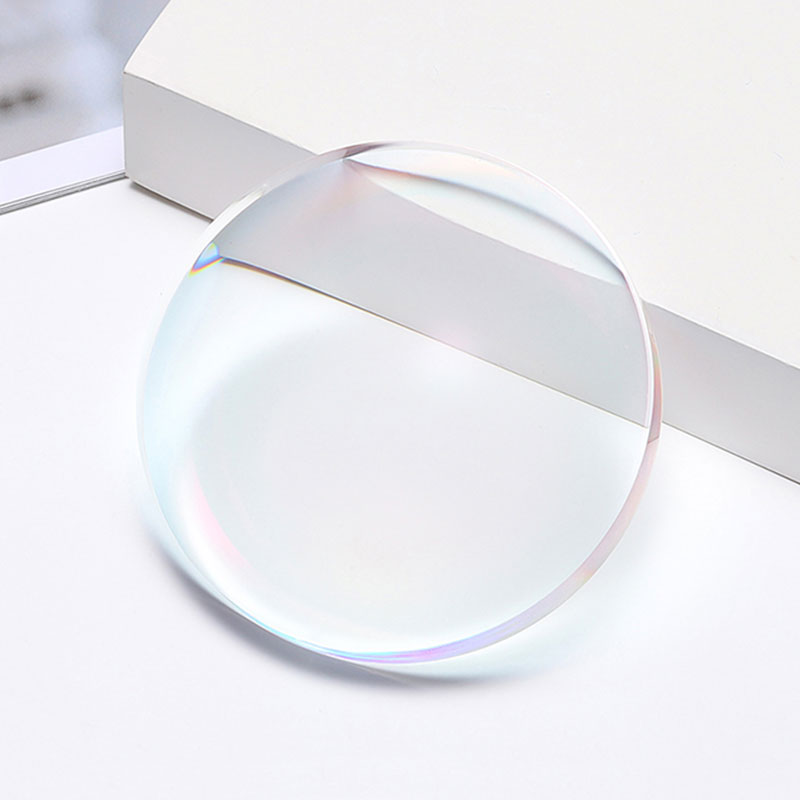
 SETO 1.60 Blue Block Clear Lens HMC/SHMCA mid-index clear lens with multilayer coating, offering UV protection and partial blue-light filtering for balanced daily office wear.View Product →
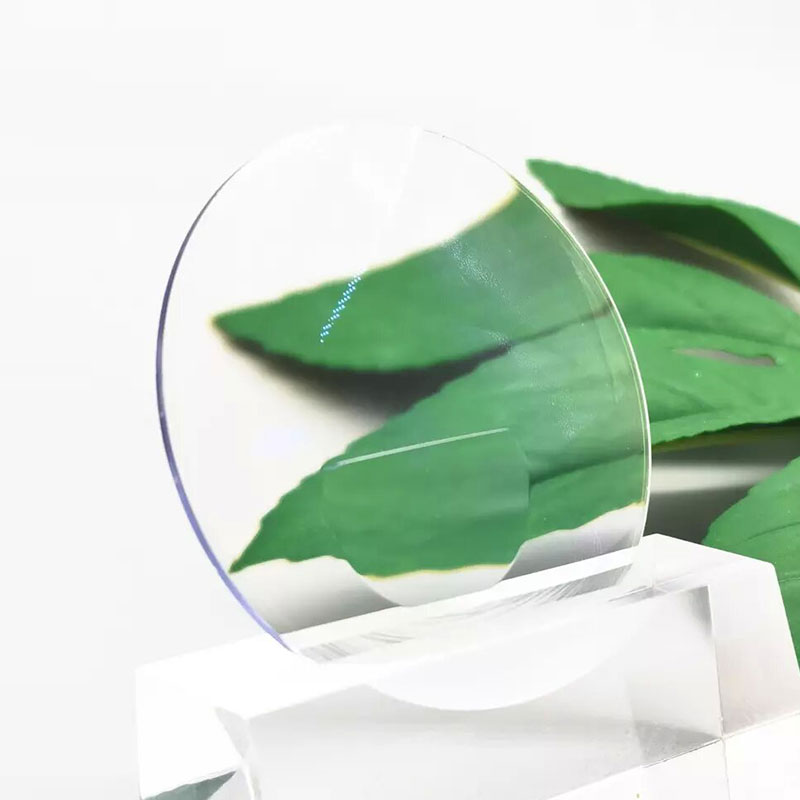
 SETO 1.67 High-Index Blue Block Lens HMC/SHMCA high-index resin lens made with MR-7 material, designed to be thinner and lighter while adding blue-light blocking for stronger prescriptions.View Product →
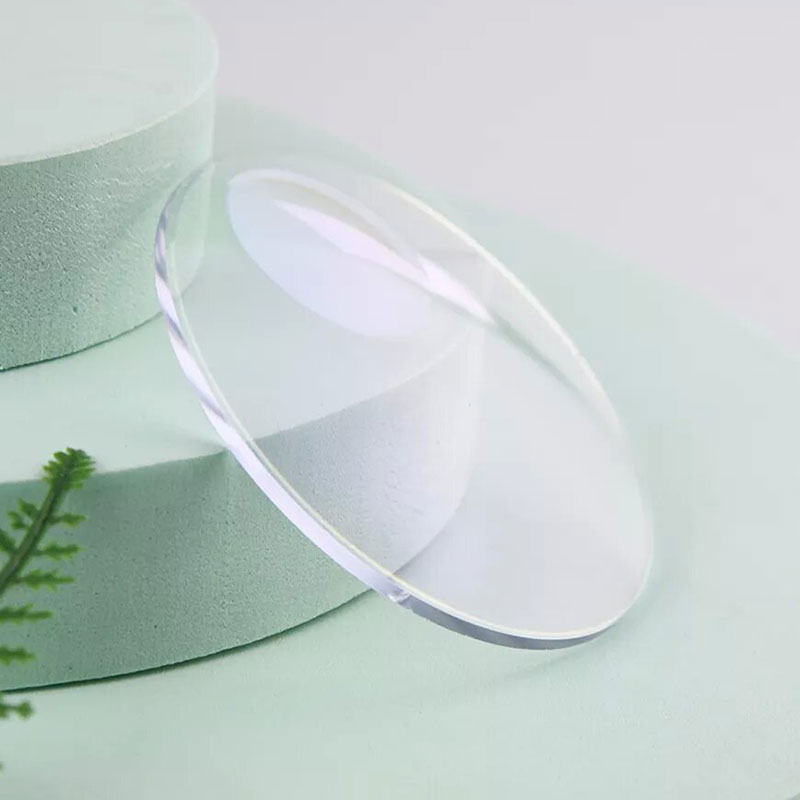
 SETO 1.60 Blue Block Photochromic Lens HMC/SHMCA combined photochromic and blue-light-filtering lens for indoor-outdoor use, reducing the need to switch between clear and sun eyewear.View Product →
Blue-Light Lenses vs Photochromic, Polarized, and Standard Clear
Blue-light filtering is only one way to manage light. Photochromic lenses change tint with UV exposure and reduce overall brightness outdoors. Polarized lenses reduce reflected glare from roads, water, and bright surfaces. Standard clear lenses prioritize natural color and maximum visible light transmission. The mistake is to treat these as competing products when they solve different problems.
| Lens approach | Main benefit | Trade-off | Best fit |
|---|---|---|---|
| Blue-light clear filter | Mild reduction of short-wavelength light with relatively natural color | Effect varies by lens design and wearer; may still show a slight warm tint | All-day indoor screen use where color balance matters |
| Blue-light photochromic | Indoor blue filtering plus outdoor tint change | Darkening depends on UV and temperature; not a replacement for polarized sunglasses in strong glare | Wearers who move between office and outdoor light |
| Polarized lens | Strong glare reduction from reflective surfaces | Not ideal for some screen and instrument viewing; usually darker | Driving, water sports, bright outdoor use |
| Standard clear lens | Natural color, high visible light transmission, simple everyday use | No intentional blue-light reduction | General wear and color-critical work where a filter is not required |
For many wearers, the most useful recommendation is a combination: a clear blue-filter lens for indoor screen work, a polarized or tinted lens for outdoor glare, and a separate pair for evening use if the wearer is particularly sensitive. That approach is more honest than promising that one lens will solve every lighting condition. It also gives the wearer a clearer reason to own more than one pair without overstating the medical value of any single product.
What to Check Before Buying Blue-Light Lenses
Before placing an order or recommending a lens, reduce the decision to a few verifiable points. First, confirm the intended wearing time. A lens for all-day office use should preserve color and clarity. A lens for evening use can be warmer. Second, ask for the wavelength range and test method behind any blue-filter claim. Third, inspect coating quality and batch consistency. Fourth, check the prescription and fitting, because a blue filter cannot correct a poor optical center or an inaccurate cylinder.
Color choice is part of the same decision. A very light yellow tint may be acceptable for some indoor wearers, while a stronger amber lens may be reserved for specific light-sensitivity needs. For a closer look at how tint affects perception and product selection, see this guide to blue-light blocking lens colors. The useful answer is not a universal color recommendation; it is a clear link between tint, transmission, and the wearer’s daily visual tasks.
Frequently Asked Questions
Do blue-light glasses really work for eye strain?
They can help some wearers feel more comfortable, but clinical studies do not show a large average benefit over ordinary clear lenses. Eye strain usually has several causes: uncorrected vision, dry eye, poor posture, low blink rate, and long periods of near focus. Blue-light lenses are most useful when they are part of a broader solution that includes correct prescription, sensible screen distance, and regular visual breaks.
Can blue-light glasses improve sleep?
Evening exposure to bright short-wavelength light can affect melatonin timing, so reducing that light before bed may help some people. The effect depends on the filter strength, screen brightness, viewing distance, and the wearer’s routine. A blue-block lens worn only in the evening is more logically targeted at sleep than a lightly filtered lens worn from morning to night.
Are blue-light glasses safe to wear all day?
Most mild clear blue-filter lenses are designed for daily wear, but the wearer should still notice how the lens affects color, contrast, and comfort. A strong amber filter may be less suitable for all-day use, especially for color-critical work or night driving. The key is to match filter strength to the task rather than assuming that stronger is better.
Do blue-light glasses prevent eye disease?
There is no convincing evidence that ordinary screen use causes retinal disease, and blue-light glasses should not be marketed as a proven way to prevent macular degeneration or other eye conditions. Their more realistic role is to reduce short-wavelength light for comfort or evening routine. Regular eye examinations remain important for detecting real eye health problems.
Can I wear blue-light lenses while driving?
A mild clear filter may be acceptable for daytime driving, but strong yellow or amber filters can affect color perception and contrast, especially at night. For night driving, a neutral lens with good anti-reflective coating is usually safer. If a wearer needs glare control outdoors, a polarized or tinted sun lens is often a better choice than a strong blue-block indoor lens.
Do blue-light lenses change how colors look?
Yes, especially when the filter is strong or has a visible warm tint. A mild clear filter may produce only a slight change, while an amber lens can make whites look cream or yellow. Wearers who work with color, such as designers, photographers, and electricians, should test a sample under representative lighting before committing to a strong filter.
Are higher-index blue-light lenses better?
Higher index affects thickness and weight, not blue-filter performance by itself. A 1.67 blue-block lens may be a better choice for a strong prescription because it reduces edge thickness, while a 1.60 lens may be sufficient for a moderate prescription. The filter design and coating quality still determine the optical result. Buyers should compare the complete lens, not only the refractive index.
What should optical buyers ask a supplier?
Ask for the wavelength range, visible light transmission, tint tolerance, coating structure, batch consistency data, and the intended use case for each blue-filter product. Request samples and compare them under office lighting, evening lighting, and against a neutral background. A supplier who can explain the trade-offs clearly is more useful than one who offers a single “maximum protection” claim.