

 Español



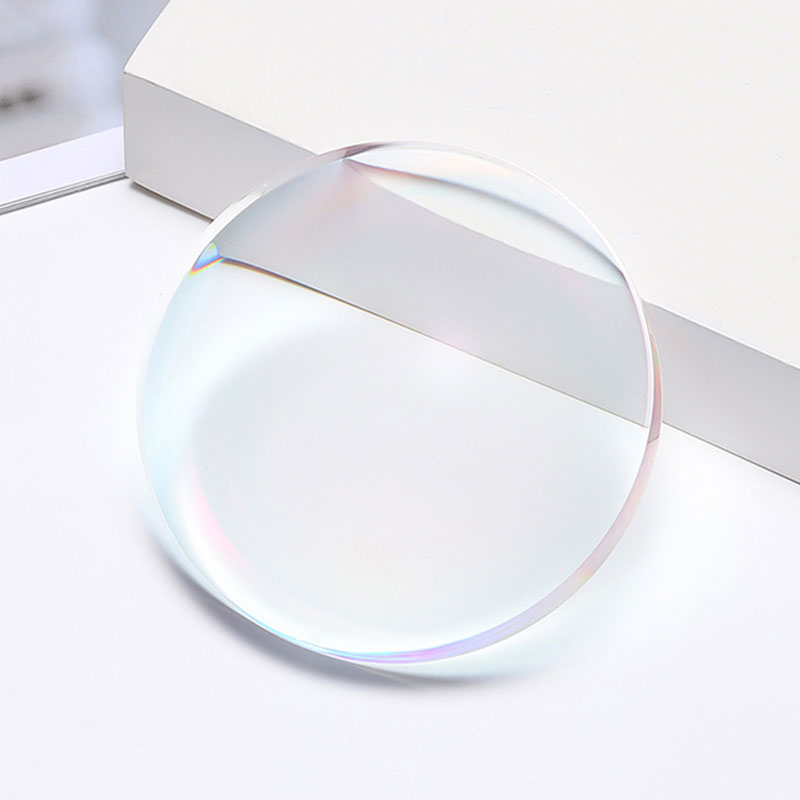
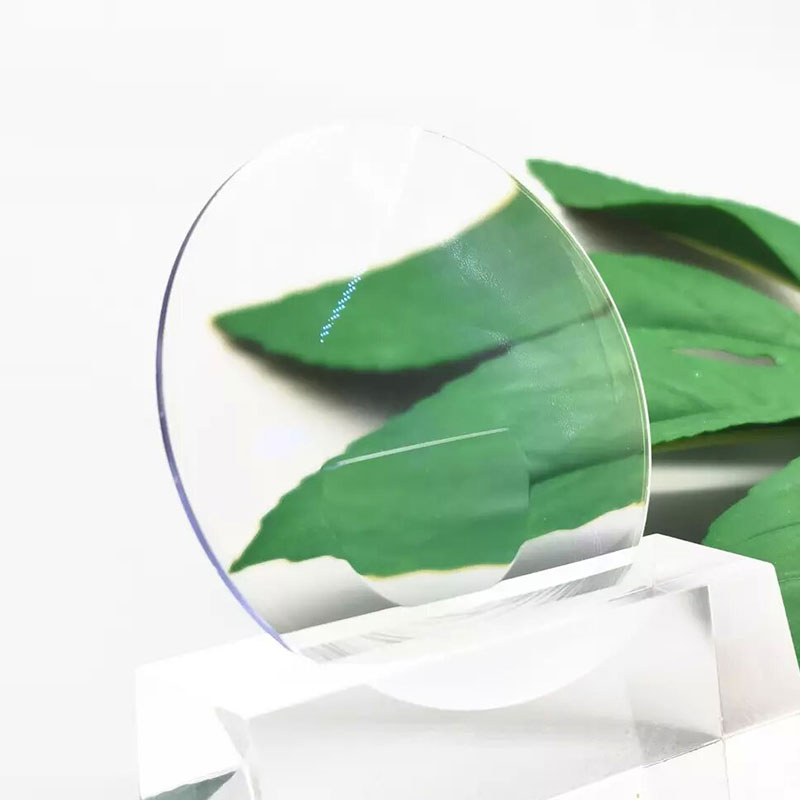
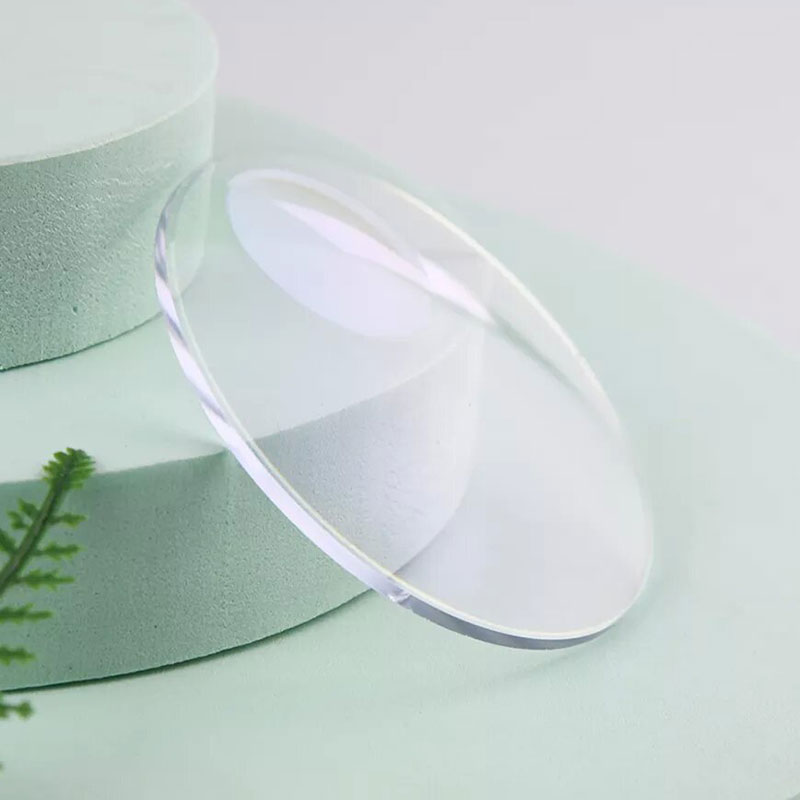
Photochromic optical lenses, as a type of smart eyewear technology, have become an essential choice for many people due to their ability to automatically adjust the lens color based on light intensity. The difference in their performance between indoor and outdoor environments directly affects the user experience. This article will analyze in detail how photochromic lenses behave under various lighting conditions, helping consumers better understand the characteristics of these high-tech lenses.
Response in Outdoor Environments
In direct sunlight, the core function of photochromic lenses is most evident. The photochromic lens changes color through a chemical reaction triggered by ultraviolet (UV) light and visible light. When the lens is exposed to UV rays or bright light, the photochromic molecules inside the lens undergo a chemical transformation, causing the lens color to darken and effectively protect the eyes from UV rays and bright light.
Color Change Speed
The speed of the color change in photochromic lenses is closely related to the intensity of UV light. Typically, in bright outdoor sunlight, the UV intensity is high, and the lenses quickly darken, usually taking a few seconds to a minute to complete the color change. This rapid response ensures that wearers can enjoy comfortable vision outdoors without frequently changing glasses.
Degree of Color Change
In strong outdoor light, photochromic lenses tend to darken significantly, often resembling the effect of sunglasses. This feature makes photochromic lenses very popular in outdoor activities such as driving, sports, and travel. The darkened lenses effectively block UV rays and intense light, reducing eye strain and improving visual clarity.
UV Protection Function
One of the major advantages of photochromic lenses is their UV protection capability. UV rays not only damage the eyes but also contribute to long-term eye diseases such as cataracts and macular degeneration. In intense sunlight, photochromic lenses offer full UV protection, reducing eye damage. This is especially important for outdoor enthusiasts who are regularly exposed to sunlight.
Response in Indoor Environments
In contrast to the noticeable color change in outdoor environments, photochromic lenses respond much more gently in indoor settings. UV intensity indoors is significantly reduced, meaning the lenses typically do not darken much, and they often remain lightly tinted or almost clear.
Color Change Speed and Degree
In indoor environments, the color-changing process of photochromic lenses is slower due to the lack of sufficient UV sources to trigger the chemical reaction in the lens molecules. When users move from outdoors to indoors, the lenses gradually return to their original transparent state, and this process typically takes several minutes to complete.
Impact of Ambient Light on Lenses
Although indoor lighting systems, particularly fluorescent and LED lights, can emit small amounts of UV rays, the UV light indoors is relatively weak. These UV rays can cause the lenses to change color slightly in some cases, but the reaction is usually minimal and does not significantly affect the wearer’s vision since the lenses’ color change is relatively subtle.
User Experience
Because indoor light conditions are generally stable, photochromic lenses do not typically exhibit significant changes in color indoors. Wearers usually experience consistently clear vision. For individuals who need to wear glasses for long periods indoors, such as office workers and readers, photochromic lenses provide a comfortable and convenient option.
Suitability of Photochromic Lenses for Indoor and Outdoor Use
What makes photochromic lenses unique is their ability to automatically adjust their color based on changing environmental light, making them suitable for both indoor and outdoor environments. Outdoors, especially in intense sunlight, the photochromic lenses perform at their best by quickly darkening to block UV rays and bright light, providing excellent protection. Indoors, the lenses usually maintain a clearer, lighter color for a comfortable visual experience.
User Needs
For people who frequently engage in outdoor activities, such as athletes, drivers, and travelers, photochromic lenses’ strong color-change ability and UV protection make them an ideal choice. On the other hand, for people who spend most of their time indoors, photochromic lenses provide a subtle color change and clear vision, offering comfort throughout the day.