

 Español


With advancements in technology and the development of the eyewear industry, an increasing number of people are choosing eyewear to correct their vision problems. Among the most common types of glasses are single vision lenses and presbyopic lenses. Although both are vision correction tools, they have significant differences in design, functionality, and target users. This article will provide a detailed analysis of the differences between single vision lenses and presbyopic lenses from a professional perspective, helping consumers better understand the features of different lenses and choose the most suitable eyewear for themselves.
Single Vision Lenses: One Focus for One Vision Need
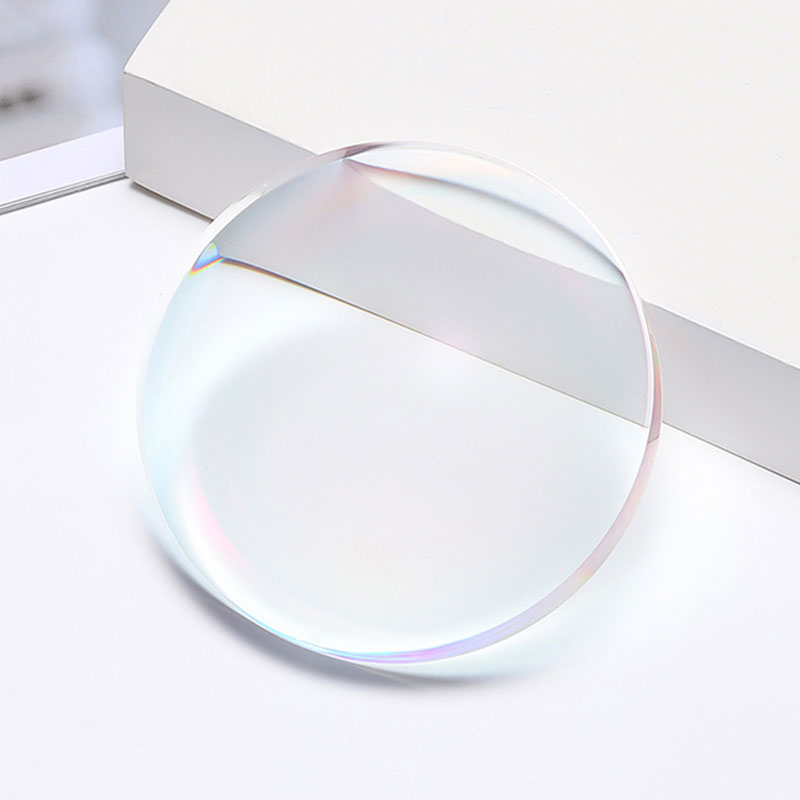
Single vision lenses are the most basic type of eyewear designed to address a single vision problem. The defining feature of single vision lenses is that they have only one focus, designed to correct either myopia or hyperopia. For individuals with a single vision problem, single vision lenses are the ideal choice. These lenses offer precise correction according to the prescription, ensuring users can clearly see objects at a specific distance, either near or far.
- Target Users: Single vision lenses are suitable for people with myopia, hyperopia, or astigmatism. Whether young or middle-aged, anyone with a single refractive error can use single vision lenses for correction.
- Advantages: Clear vision, simple to wear, and relatively affordable. They are suitable for the majority of people.
- Disadvantages: They only address a single vision need and cannot correct multiple vision issues like myopia and presbyopia at the same time.
Presbyopic Lenses: Multi-Focus Design for Correcting Presbyopia
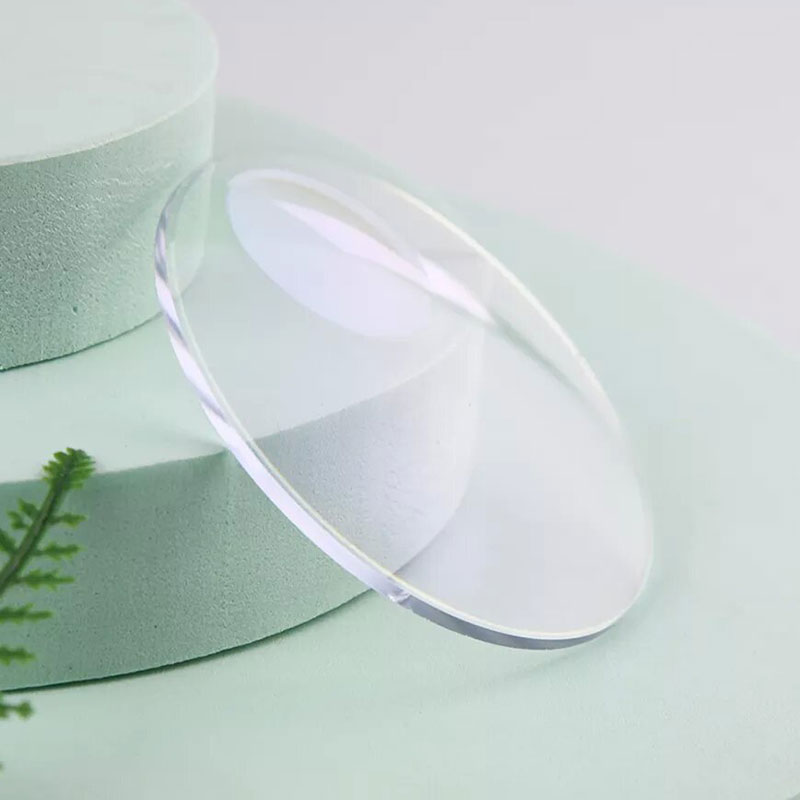
Presbyopic lenses (also known as reading glasses) are specifically designed to address the problem of presbyopia. With aging, the eye's natural lens becomes less flexible, and the ability to focus on nearby objects diminishes—this is known as presbyopia. The key feature of presbyopic lenses is that they have multiple focal points, typically with a gradient design that addresses both near and far vision needs. Presbyopic lenses commonly use a progressive design, where the upper part of the lens corrects for distance vision, the middle for general vision, and the bottom for near vision correction.
- Target Users: Presbyopic lenses are primarily intended for people aged 40 and older, who often begin to experience blurred vision for near tasks, such as reading, using mobile phones, and writing.
- Advantages: They provide a multi-focus solution in a single lens, allowing the user to correct both distance and near vision without needing to switch glasses. They are convenient and practical.
- Disadvantages: New wearers may require some time to adjust. The transition between focal points in the lens may cause discomfort, particularly when first adjusting to the lens design.
Key Design Differences
The most significant design difference between single vision lenses and presbyopic lenses lies in the lens's focal points. Single vision lenses have one fixed focal point, which addresses either myopia or hyperopia. Presbyopic lenses, on the other hand, feature a multi-focus design, commonly seen in progressive lenses. The upper portion of the lens is designed for distance vision, the middle for intermediate vision, and the lower for near vision, allowing users to experience clear vision at various distances.
- Single Vision Lens Design: Single vision lenses have a fixed focal point, providing clear vision for either near or distant objects but not both. They are suitable for individuals with a singular vision problem.
- Presbyopic Lens Design: Presbyopic lenses use a progressive design to offer clear vision at multiple distances. These lenses are ideal for people who need correction for both distance and near vision, such as presbyopia sufferers.
Wearing Experience and Adaptation
The wearing experience with single vision lenses is relatively straightforward. Users simply select the correct prescription based on their vision need, and once the lenses are in place, they can enjoy clear vision. Presbyopic lenses, due to their multi-focus design, may take some time to adjust to. This is because presbyopic lenses have different focal powers in different areas of the lens, and wearers need time to become accustomed to transitioning between the focal points, especially for older adults who may experience more discomfort during the adaptation period.
- Single Vision Lens Experience: For most users, the experience of wearing single vision lenses is comfortable and direct. There is no adjustment period required—once the prescription is set, clear vision is immediately available.
- Presbyopic Lens Experience: New users of presbyopic lenses may need time to adjust to the different focal zones in the lens, particularly when transitioning from one focal length to another. In the beginning, users may experience eye strain or blurry vision, but with time, these issues typically resolve as the eyes adapt.
Range of Adaptation and Flexibility
Single vision lenses have a narrow range of adaptation, as they are designed to correct only one vision problem. In contrast, presbyopic lenses have a broader range of application. Not only can they address both near and far vision issues, but they are also specifically designed to meet the changing vision needs of middle-aged and older individuals. Particularly with progressive presbyopic lenses, users do not need to constantly switch glasses for different activities, greatly enhancing convenience in daily life.
- Single Vision Lens Range: The range of adaptation for single vision lenses is limited to those with a single vision problem, such as myopia or hyperopia.
- Presbyopic Lens Range: Presbyopic lenses cover a broader range of vision correction needs. They can address both near and far vision, especially in progressive lenses, which offer a smooth transition between focal points for different activities.