

 Español



Understanding the Evolution of Smart Eyewear
In the realm of modern vision care, photochromic lenses represent the perfect fusion of optical engineering and material science. These lenses are best known for their ability to automatically adjust their light transmission based on the intensity of surrounding light—specifically ultraviolet radiation. For millions of eyeglass wearers, photochromic lenses are far more than just a vision correction tool; they are an intelligent solution designed to adapt to a dynamic, ever-changing lifestyle. The technology bridges the gap between traditional clear eyewear and protective sunglasses, providing a seamless visual experience that responds to the environment in real-time.
Defining the Technology: What are Photochromic Lenses?
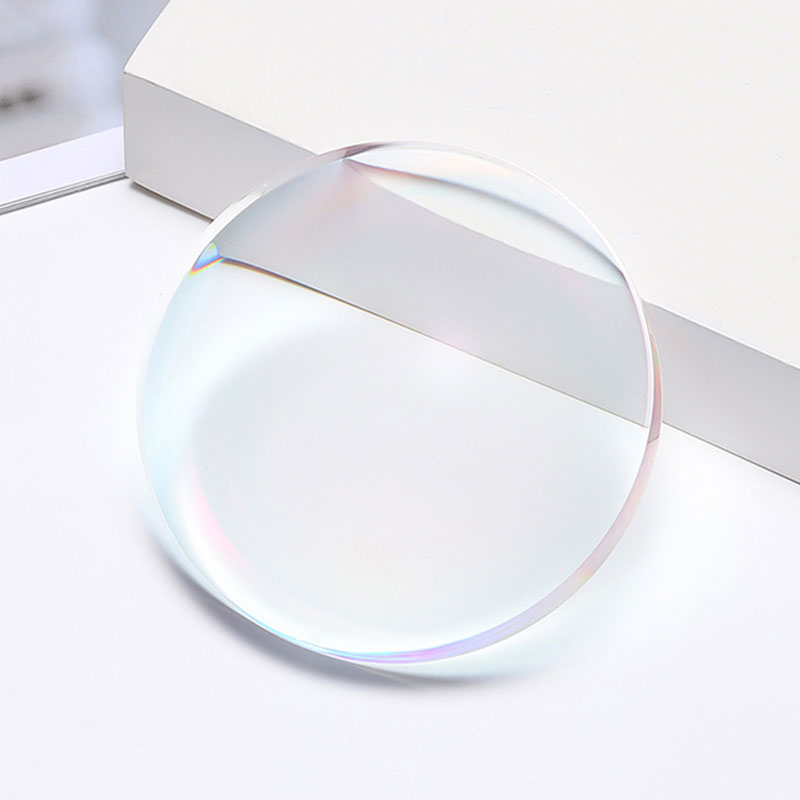
At its core, a photochromic lens is a light-sensitive lens. The term itself is derived from the Greek words Photo meaning light and Chroma meaning color. These lenses remain perfectly clear indoors or in environments lacking UV light. However, once exposed to sunlight or UV rays, the molecular structure within the lens undergoes a chemical reaction, causing the lens to darken into a tinted state similar to sunglasses. This transition is not merely a surface coating in high-end models; it is a fundamental molecular change that occurs within the lens material itself or across a specialized bonded layer.
The Core Mechanism of Action
Behind this magical transformation lies complex molecular chemistry. Modern photochromic lenses typically have trillions of photo-sensitive molecules, such as naphthopyrans, embedded within the lens substrate or applied as a precise surface coating. When these lenses are struck by UVA and UVB rays, the chemical bonds of these molecules break and rearrange. This change in molecular shape allows them to absorb visible light, which results in the lens darkening rapidly. When the wearer moves indoors or the UV source is removed, thermal energy prompts the molecules to return to their original, closed state. Consequently, the lens becomes highly transparent and clear once again. This reaction is completely reversible and automatic, managing the amount of light entering the eye throughout the day and significantly reducing visual fatigue caused by constant fluctuations in lighting environments.
The Journey of Innovation: A Brief History of Photochromic Lenses
Understanding the history of photochromic lenses helps us appreciate how this technology evolved from a clunky laboratory experiment into a lightweight, high-efficiency masterpiece of optical art. The journey began in the 1960s with the breakthrough in glass technology. Early versions were made exclusively of glass, where scientists incorporated silver halide crystals into the substrate to achieve a light-adaptive effect. However, these lenses were heavy, prone to shattering, and had extremely slow recovery speeds, often remaining tinted for long periods after moving indoors.
In the 1980s and 1990s, the introduction of organic plastics revolutionized the industry. With the rise of resin lenses like CR-39, research shifted toward lightweight materials. Researchers developed technologies to infuse photo-sensitive molecules into the surface of plastic lenses. This marked the entry of photochromic lenses into the mass market, as they became lighter, safer, and more comfortable for all-day wear. Entering the 21st century, nanotechnology and multilayer coatings allowed for the application of photochromic layers on almost any lens material, including high-index and polycarbonate lenses, ensuring a more uniform tint and much faster reaction speeds than ever before.
Technical Parameters and Performance Metrics
To quantify the performance of photochromic lenses, the optical industry has established several key parameters. Understanding these is crucial when choosing the lens that best fits your needs.
| Performance Metric | Standard Clear Lenses | Photochromic Lenses | Fixed-Tint Sunglasses |
| Indoor Visible Light Transmission | 92% to 98% | 90% to 95% | 10% to 20% |
| Outdoor Maximum Darkening | 92% to 98% | 10% to 30% | 10% to 20% |
| UV Blockage (UVA/UVB) | Varies by coating | 100% Protection | 100% Protection |
| Activation Time | N/A | 15 to 30 Seconds | Immediate |
| Fade-Back Time | N/A | 2 to 5 Minutes | N/A |
The VLT, or Visible Light Transmission, is a key metric; the lower this value, the darker the lens appears. High-quality photochromic lenses should remain as close to transparent as possible indoors to ensure no color distortion during reading or computer work. Activation speed is also vital, as top-tier modern lenses can reach a significant tint within seconds of stepping into the sun. Additionally, temperature dependence is a physical characteristic where molecules are more stable in cold environments, leading to a deeper tint on cold, sunny days compared to hot ones.
The Functional Advantages of Light-Adaptive Technology
Choosing photochromic lenses is about choosing a dynamic way to manage your vision. By utilizing the most advanced light-adaptive technology, wearers can enjoy 24/7 visual comfort. Research shows that this technology significantly improves the quality of life by reducing the need for multiple pairs of glasses and providing constant protection against invisible threats like UV radiation.
Why Users Switch: Benefits of Photochromic Lenses
Many wearers find it difficult to return to regular clear lenses after experiencing the benefits of photochromic lenses. The core appeal lies in the elimination of visual friction when moving between different environments. Whether walking outdoors in bright sunlight or working in an office full of digital screens, photochromic lenses sense light changes in real-time and provide the exact level of shading your eyes need. This proactive adjustment helps in maintaining visual acuity and reducing the psychological stress associated with harsh glare.
Seamless Daily Transitions: Convenience
The primary advantage of photochromic lenses is their unparalleled convenience, which is essential for a modern, fast-paced lifestyle. They eliminate the need for separate sunglasses. Traditional vision solutions often require users to carry both a pair of optical frames and a pair of prescription sunglasses. Swapping between them when moving indoors and outdoors is not only tedious but also increases the risk of damaging or losing a pair. Photochromic lenses combine two functions into one, allowing you to enjoy sunglass-level comfort outdoors automatically.
These lenses are particularly suited for professionals who move frequently between lighting conditions, such as architects, field managers, teachers, or busy parents. Studies indicate that users of adaptive lenses report a 40 percent increase in visual comfort during daily decision-making compared to traditional solutions. By reducing the physical act of swapping glasses, users can focus more on their tasks and less on managing their accessories.
Prioritizing Ocular Wellness: Vision Protection
Protecting your eyesight is the core mission of photochromic lenses. Beyond correcting vision, they act as a 24/7 biological shield for your eyes. UV radiation is a primary trigger for cataracts and macular degeneration. High-quality photochromic lenses provide 100 percent UVA and UVB blockage, regardless of whether they are in their clear or darkened state. This constant protection is vital because UV damage is cumulative over a lifetime.
Furthermore, these lenses reduce eye strain in varying light conditions. In overly bright environments, people instinctively squint, leading to eye muscle fatigue and tension headaches. Photochromic lenses automatically absorb excess visible light, allowing the eyes to remain in a relaxed state. Modern versions also perform exceptionally well in filtering harmful blue light from digital screens and the sun.
| Environment and State | Standard Clear Lenses | High-Quality Photochromic Lenses |
| Indoors (Digital Screens) | 15% to 20% filtration | 25% to 35% filtration |
| Outdoors (UV Activated) | 15% to 20% filtration | 85% to 90% filtration |
| UVA/UVB Blockage | Varies | 100% Constant Blockage |
The Value Proposition: Cost-Effectiveness
While the initial cost of photochromic lenses is higher than standard single-vision lenses, they offer excellent long-term value. One of the major savings comes from not needing separate prescription sunglasses. Purchasing one high-quality pair of photochromic lenses is usually 30 percent to 50 percent more cost-effective than buying two separate premium pairs. Additionally, compared to clip-ons, which can scratch the primary lenses and are prone to mechanical failure, the integrated molecules in photochromic lenses are highly durable and typically maintain peak performance for the entire life of the prescription, usually 2 to 3 years.
Design and Customization: Variety and Availability
Photochromic lenses can be perfectly tailored to fit complex prescription needs and aesthetic preferences. They are available in different materials to suit various lifestyles. For example, Polycarbonate is ideal for kids and athletes due to its high impact resistance, while High-Index materials help thin the edges for those with strong prescriptions. They are also fully compatible with progressive lenses, providing seamless vision across all distances while managing light intensity automatically.
| Lens Material | Photochromic Advantage | Ideal For |
| Standard Plastic | Cost-effective and uniform tint | Low prescriptions |
| Polycarbonate | High impact resistance | Athletes and children |
| High-Index | Thin and aesthetically pleasing | Strong prescriptions |
Analyzing the Potential Limitations
Understanding the physical characteristics and environmental limitations of photochromic lenses will help you manage expectations and determine if they fit your specific lifestyle. While highly versatile, no technology is without its drawbacks. It is important to realize that these lenses are reactive devices, meaning their performance is dictated by the environment they are in.
Managing Expectations: When They Might Not Be Perfect
The performance of photochromic lenses depends heavily on the energy levels of the surrounding environment. Because the darkening process is a chemical molecular reaction, it is influenced by UV intensity, exposure time, and even atmospheric humidity. Users should understand that the lenses do not reach their darkest state instantly; they require a brief period of exposure to reach full saturation.
The Transition Gap: Activation Time
Darkening and clearing speed is one of the most discussed performance metrics. Even with industry-leading coatings, the molecular restructuring takes physical time. The activation process usually takes 15 to 30 seconds to reach a significant tint after UV exposure. However, the fade-back time—returning to clear—is the most common pain point. When moving from bright sunlight to a dimly lit room, lenses may take 2 to 5 minutes to become fully transparent. This may not be ideal for those who move rapidly between extremely bright and extremely dark areas, such as a warehouse worker entering a dark storage room from a sunny loading dock.
The Science of Environment: Temperature Sensitivity
A frequently overlooked fact is that photochromic lenses are sensitive to temperature. This is known as the temperature paradox. Many people assume that the hotter the sun, the darker the lenses. In fact, the opposite is often true. Photochromic molecules are more stable and move into their darkened state more effectively in cold environments. In extreme heat, thermal energy interferes with the molecular alignment, causing them to want to return to their clear state more quickly, which may result in a lighter tint during a hot summer day compared to a sunny winter morning.
| Ambient Temperature | Darkening Depth | Fade-Back Speed |
| Cold (0 to 10 degrees Celsius) | 85% to 90% | Slower |
| Comfortable (20 to 25 degrees Celsius) | 75% to 80% | Moderate |
| Hot (Above 35 degrees Celsius) | 60% to 65% | Very Fast |
The Driving Challenge: In-Car Performance
Standard photochromic lenses often face challenges inside vehicles. Modern car windshields are treated with UV-protective layers designed to filter out 99 percent of UV rays to protect the car interior and passengers. Since these lenses rely on UV light to activate, they often remain clear or only tint very slightly while you are driving. For those who spend many hours behind the wheel, standard adaptive lenses may not be a complete replacement for traditional prescription sunglasses unless specialized driving-specific photochromic versions are selected.
Premium Pricing: Cost
Advanced light-adaptive technology requires a higher investment in manufacturing. Compared to standard clear lenses, photochromic lenses generally cost 30 percent to 60 percent more. This is due to the complexity of synthesizing the photo-sensitive molecules and the precision spin-coating technology used to apply them. However, when evaluating the cost per wear, the integration of two pairs of glasses into one often justifies the higher initial investment for most users.
Photochromic Lenses vs. Alternatives
The best optical solution depends on the complexity of your daily lighting environments. Photochromic lenses offer a balance of convenience and protection, but it is useful to compare them directly to other mainstream alternatives like regular clear lenses, dedicated prescription sunglasses, and clip-ons.
Photochromic vs. Regular Lenses
For most long-term eyeglass wearers, clear lenses are the standard. However, photochromic lenses offer significant generational advantages in visual health management. While regular lenses only correct vision, adaptive lenses actively manage light. Regular lenses can leave a wearer squinting in the sun, leading to muscle fatigue, whereas photochromic lenses darken to provide comfort.
| Dimension | Regular Clear Lenses | Photochromic Lenses |
| Indoor Clarity | 100% | 95% to 98% |
| Outdoor Comfort | Low | High |
| UV Protection | Coating-dependent | 100% Built-in |
| Blue Light Management | Basic | Enhanced |
Photochromic vs. Prescription Sunglasses
This is the most common comparison for those who spend time outdoors. Prescription sunglasses have a fixed dark tint and are often polarized to filter horizontal glare from roads or water. Photochromic lenses primarily adjust for brightness and do not usually include polarization in standard models. However, the convenience of not having to swap glasses when running errands makes adaptive lenses the winner for casual daily use, while sunglasses remain the better choice for long driving trips or intense water sports.
| Feature | Photochromic Lenses | Prescription Sunglasses |
| Tint Style | Dynamic | Fixed |
| Glare Filtering | Basic | Extreme (if polarized) |
| In-Car Performance | Limited | Excellent |
| Night Use | Supported | Not Supported |
Photochromic vs. Clip-on Sunglasses
Clip-ons are an economical solution, but they lag behind integrated photochromic lenses in terms of visual quality and comfort. Clips add weight to the frames, which can press on the bridge of the nose. Photochromic lenses are a single layer, maintaining the original design and lightness of the frame. Furthermore, the gap between a clip and the lens can cause ghosting or internal reflections that distract the wearer. High-quality adaptive lenses eliminate these mechanical issues entirely.
Are Photochromic Lenses Right for You?
Whether photochromic lenses are your perfect choice depends on your daily habits and light sensitivity. They are designed to blend into lifestyles that involve frequent shifts between indoors and outdoors. If you are a teacher moving between the classroom and the playground, or a real estate agent entering and exiting properties, the convenience is a massive productivity boost.
Special Use Cases: Sensitivity and Comfort
Beyond convenience, photochromic lenses serve as a medical-grade aid for specific individuals. Those with photophobia, or light sensitivity, find great relief in lenses that act as an intelligent light valve. Furthermore, patients recovering from cataract or LASIK surgery often have heightened sensitivity to UV and bright light. The 100 percent UV protection and automatic shading make these lenses an excellent choice during the healing phase. For children, who receive several times more UV exposure than adults, durable polycarbonate photochromic lenses are a smart investment in their long-term ocular health.
Prescription Needs: Universal Compatibility
Technological progress has removed most prescription limitations. Whether you need simple correction for nearsightedness or complex progressive lenses to solve distance, intermediate, and near vision, adaptive technology integrates seamlessly. Combining progressive lenses with photochromic technology is a top recommendation for users over 40, providing a full range of clear vision while managing light all day long without the need to carry separate reading glasses and sunglasses.
Mastering Performance: Industry Standards and Lens Care
To keep photochromic lenses in peak condition, understanding industry standards and proper maintenance is essential. High-standard lenses use advanced molecular-level spin-coating to ensure the fastest activation and fade-back times. Some specialized versions even include technologies that allow them to sense visible light, helping them darken slightly inside a car.
| Metric | Standard Adaptive | Professional Enhanced |
| Indoor Clarity | 92% | 95% |
| Max Outdoor Shading | 75% | 88% |
| Fade-Back Time | 4 to 6 mins | 2 to 3 mins |
| UV Blockage | 100% | 100% |
Caring for Photochromic Lenses: Maximizing Longevity
Proper care not only maintains the speed of transition but also extends the overall life of the lens. Wearers should always rinse lenses with room-temperature water to remove dust and grit before wiping to prevent micro-scratches. It is also vital to avoid household cleaners with ammonia or high alcohol content, as these can strip away the delicate photochromic and anti-reflective coatings. One of the most important tips is to keep the glasses away from extreme heat; never leave them on a car dashboard in the summer, as temperatures above 60 degrees Celsius can cause thermal degradation of the photochromic molecules.
Frequently Asked Questions
Do photochromic lenses expire? Photochromic molecules are highly stable. Under normal use, peak performance lasts about 2 to 3 years. After this, the reaction speed may slow slightly, though the 100 percent UV protection remains intact. It is usually around this time that most people require a new prescription anyway.
Why do my lenses turn dark on cloudy days? UV rays can penetrate clouds. Since the lenses react to UV radiation rather than visible brightness, turning dark on a cloudy day proves they are successfully protecting your eyes from invisible rays that can still cause damage even when the sun isn't visibly bright.
Are they safe for night driving? Yes. In the absence of UV light at night, premium photochromic lenses remain transparent. Most also include anti-glare coatings that help reduce the dazzle of oncoming headlights, making them a safe choice for nighttime use.