

 Español


What Is a Progressive Lens in Eyeglasses?
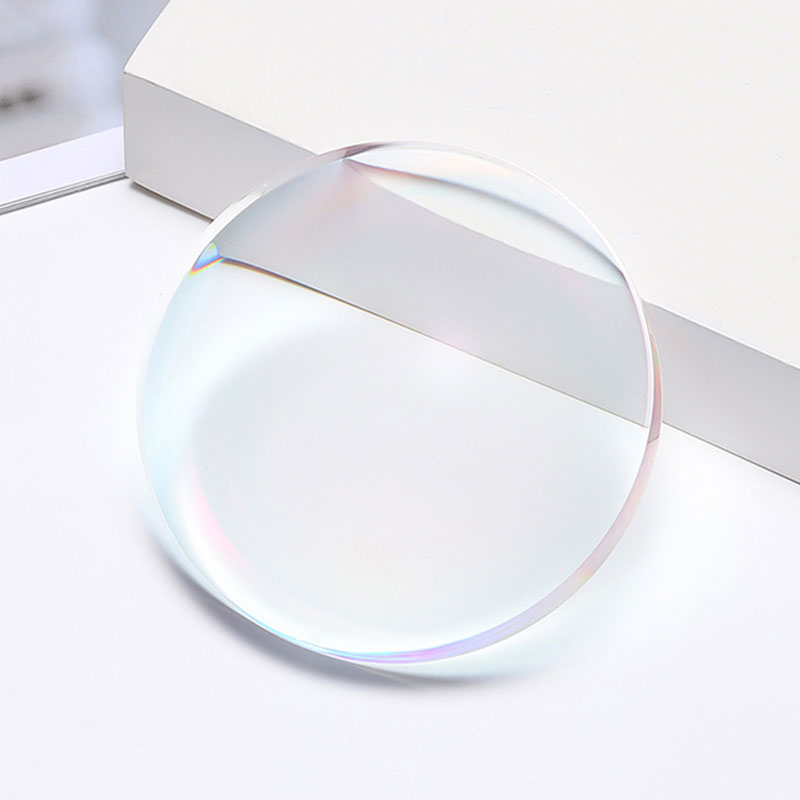
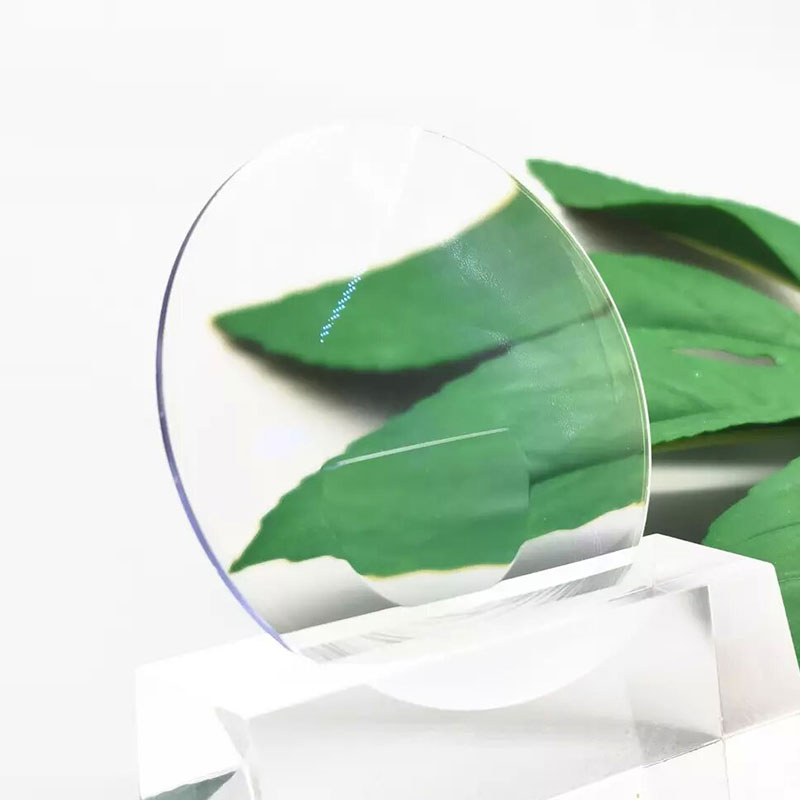
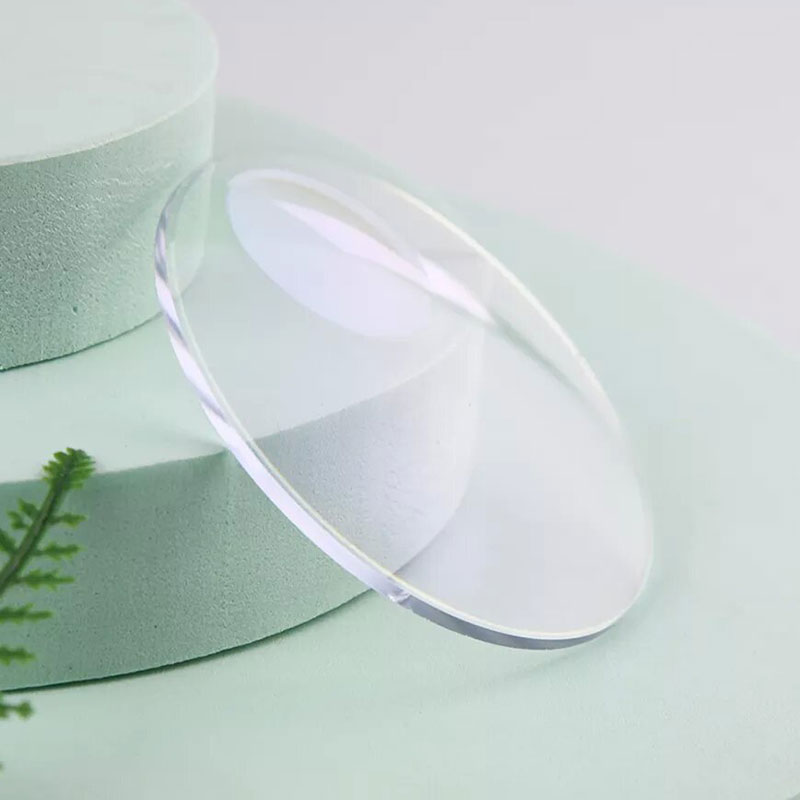
You are reading this because near vision has started to feel unreliable, or because someone told you that progressive lenses are the modern replacement for bifocals. Here is the direct definition: a progressive lens in eyeglasses is a single multifocal lens that provides distance vision in the upper zone, intermediate vision in the middle, and near vision in the lower zone, with the prescription changing gradually from top to bottom and no visible dividing line.
In everyday terms, the lens behaves like three pairs of glasses built into one surface: the upper portion for distance, the middle for the computer screen at arm's length, and the lower portion for reading. Because the change in power is gradual rather than stepped, you can move from the road to the dashboard to your phone without switching glasses.
Progressives are also called graduated lenses, multifocals, or no-line bifocals. That last nickname matters: they offer the multi-distance convenience of bifocals and trifocals without the visible seams and without the image jump that happens when the eye crosses a segment line.
How Do Progressive Lenses Differ from Bifocals?
Bifocals divide the lens into two optically separate areas: a large distance zone and a small, visible segment at the bottom for near vision. When the gaze crosses that segment line, the change in power is abrupt, causing a sensation called image jump, in which the scene seems to shift suddenly. Trifocals add a middle segment, but they still depend on visible lines.
Progressives remove the lines entirely. The power increases continuously along a central channel called the corridor, so nothing interrupts your view and nothing gives the lens away cosmetically. The American Academy of Ophthalmology calls this a seamless increase in magnification from top to bottom, which is why progressives feel more natural than bifocals in ordinary activities.
Who Needs Progressive Lenses?
The condition that leads most people to progressives is presbyopia. Around age 40, the crystalline lens inside the eye loses elasticity, and close objects become harder to focus on. Reading glasses fix the near end, but they create a constant switching game: on to read, off to see across the room.
Progressives suit people who want clear sight at several distances without that game. The most common candidates are:
- Office workers who alternate between a monitor, documents, and colleagues across the room.
- Drivers who need to read navigation while keeping the road in focus.
- Single-vision wearers who now struggle with menus, labels, and phones.
- Bifocal wearers who want a design without the visible line and the image jump.
Younger adults can fit as well. People with long screen hours sometimes use low-addition progressive designs that ease near focusing without a strong reading prescription. In short, progressives are a tool for anyone whose vision needs span more than one distance.
How Do Progressive Lenses Work?
Think of a progressive lens as a stack of tiny horizontal bands inside a single surface. The top band holds your distance prescription; each band below adds a fraction of plus power; the bottom band carries the full reading addition. The central path where this progression happens is the corridor, and it is the working heart of the lens.
The corridor is not infinitely wide, so the sides of the lens cannot match the optical quality of the center. In those peripheral zones, the steep rate of change means objects can look slightly blurred or curved at the edges. This is the distortion that wearers describe as swim, and it is why beginners are told to move the head rather than the eyes.
This is also the fundamental difference from single-vision lenses. A single-vision lens carries one prescription across the whole surface and serves only one working distance. A progressive lens trades some edge clarity to gain three working distances, and modern designs work hard to make that trade invisible.
Types of Progressive Lenses: One Design Does Not Fit All
A common misconception is that all progressive lenses are the same product. In reality, they are a family of designs, and the differences matter. From a manufacturer's point of view, designs are classified by visual behavior rather than by brand. The core question is always the same: how should the lens divide its surface among distance, intermediate, and near vision?
The broadest category is the everyday or all-purpose design. These lenses balance the three vision zones so that distance, screen, and reading vision all remain workable over a normal day. If your routine mixes driving, meetings, shopping, and phone use, this balanced layout is the most reliable starting point. Manufacturers usually list this category as Everyday all-purpose progressive lenses.
 Custom All Purpose Progressive Lens Suppliers, OEM/ODM Factory - Jiangsu Green SJiangsu Green Stone Optical Co., Ltd is China All Purpose Progressive Lens Suppliers and OEM Factory, details:Updated design with additio...View Product →
Lifestyle designs shift the balance toward a particular activity rather than covering everything. The clearest example is driving-specific progressive lenses, which widen the distance and intermediate zones so you can move from the road to the dashboard to the side mirror with less head movement. The family also includes soft progressive designs for children and teenagers, plus relax designs for adults who want a mild near addition to reduce screen-related eye fatigue.
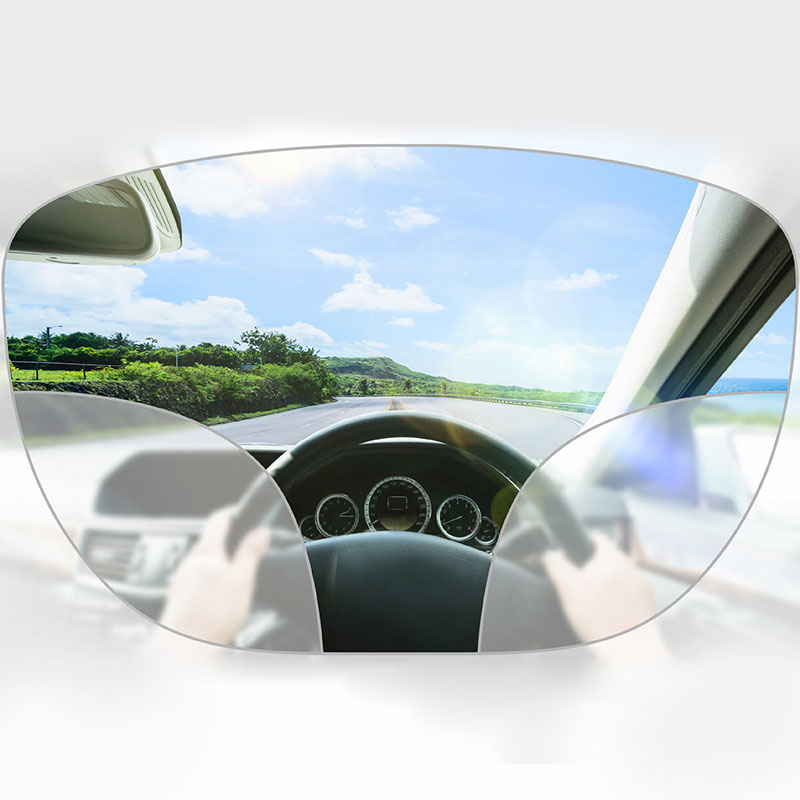 Custom Driver Progressive Lens Suppliers, OEM/ODM Factory - Jiangsu Green Stone Jiangsu Green Stone Optical Co., Ltd is China Driver Progressive Lens Suppliers and OEM Factory, details:The Custom Driver is a progressi...View Product →
Occupational designs are built for the inside of an office. They give a large share of the lens surface to intermediate and near vision, so the monitor and documents remain sharp, while a modest upper zone preserves enough distance vision for looking across the room. Designers label them office, desk, or professional progressives, and they suit anyone who works close-up for hours.
Freeform progressive lenses are a different production category rather than a simple rearrangement of the zones. Instead of a pre-moulded surface, the lens is calculated digitally point by point, then generated with precision CNC optical processing. That control produces wider clear zones, less peripheral distortion, and faster adaptation. Premium freeform HD progressive lens designs are made this way, and the difference is most obvious for first-time wearers and higher prescriptions.
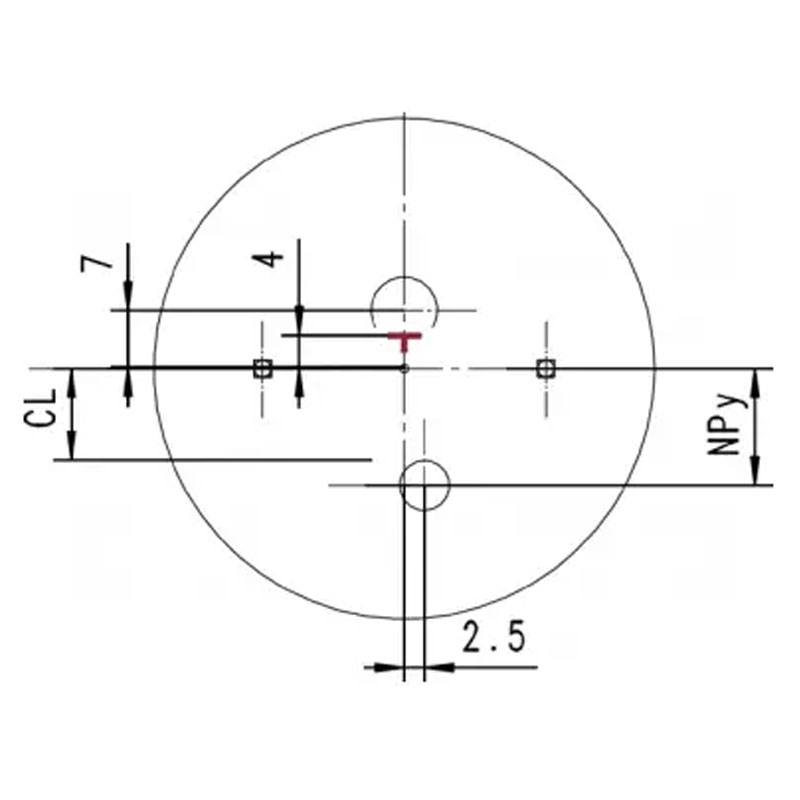 Custom Opto Tech HD Progressive Lenses Suppliers, OEM/ODM Factory - Jiangsu GreeJiangsu Green Stone Optical Co., Ltd is China Opto Tech HD Progressive Lenses Suppliers and OEM Factory, details:The OptoTech HD progress...View Product →
| Design family | Emphasized zones | Best suited for | Typical wearer |
|---|---|---|---|
| All-purpose / everyday | Balanced distance, intermediate, near | General use across many settings | Office workers, drivers, travelers |
| Lifestyle | Activity-specific optimization | Driving, study, or screen comfort | Drivers, students, screen-heavy users |
| Occupational | Wide intermediate and near zones | Extended desk work and reading | Accountants, designers, librarians |
| Freeform | Digitally optimized full surface | Demanding vision, faster adaptation | First-time wearers, higher prescriptions |
What to Consider When Choosing a Progressive Lens?
The right progressive lens depends less on brand and more on how the design fits your routine. Work through these points before ordering:
- Start with your daily scene. A desk-bound user is better served by an occupational design; a mixed routine points toward all-purpose or lifestyle. Describe your day honestly to your optician.
- Respect the frame size. Progressives need vertical space for the distance zone, the corridor, and the near zone. Small frames shorten the corridor, so let the optician confirm that your chosen frame works with the design.
- Match the lens material to the prescription. Higher prescriptions become thick in standard index material; high-index options such as 1.60, 1.67, and 1.74 keep the lens thinner and lighter.
- Add functions that serve you. Photochromic lenses, blue-light-blocking options, and anti-reflective coatings all combine with progressives; choose the ones that match your environment.
- Set a budget with expectations. Conventional moulded progressives are affordable and adequate for many wearers; freeform designs cost more and typically offer clearer edges and faster adaptation.
In every case, progressives are a prescription product. Fitting measurements, including pupil height and frame adjustments, should be taken by a qualified optician, and persistent discomfort deserves a conversation with them rather than a place in a drawer.
How Long Does It Take to Adapt to Progressive Lenses?
Almost every new progressive wearer asks how long the strange feeling lasts. The honest answer: the central zones feel comfortable almost immediately, while peripheral distortion usually fades within a few days to two weeks. During that window, lens edges may look slightly wavy, stairs may seem to shift underfoot, and your head may need to move more. These are normal side effects of a lens whose power changes across the surface.
You can shorten the adjustment with a few habits. Wear the lenses full-time from day one instead of switching back to an old pair. Use the top for distance and drop your eyes to the lower zone for reading. Move your head toward what you want to see, and the brain builds the new eye-head coordination quickly when given consistent practice.
If blurriness or discomfort continues past two weeks, the cause is usually not the progressive concept itself. It is more often a fitting parameter, a frame choice, or a design category mismatch. Before giving up, read about common reasons why progressive lenses feel blurry; the fix is often a re-measurement or a design change.
Conclusion: Are Progressive Lenses Right for You?
Stepping back, a progressive lens is a multifocal lens that puts distance, intermediate, and near vision into one surface, with no line, no image jump, and an appearance identical to ordinary glasses. For anyone feeling the first effects of presbyopia, it removes the endless switching between reading glasses and distance glasses.
The practical question is not whether progressives are good, but which design fits your eyes and your routine. Start by identifying your main visual demands, then talk them through with an optician, who will measure your fit and recommend a design family for the way you actually live. The first week or two may feel unfamiliar; after that, the seamlessness of the lens becomes part of the background.
If old stories about blurry edges and impossible adaptation are holding you back, set them aside. Modern designs, especially digitally processed freeform options, are far better than the first progressive lenses many people remember. Book an eye exam, describe your day accurately, and let your optician guide the choice.