

 Español


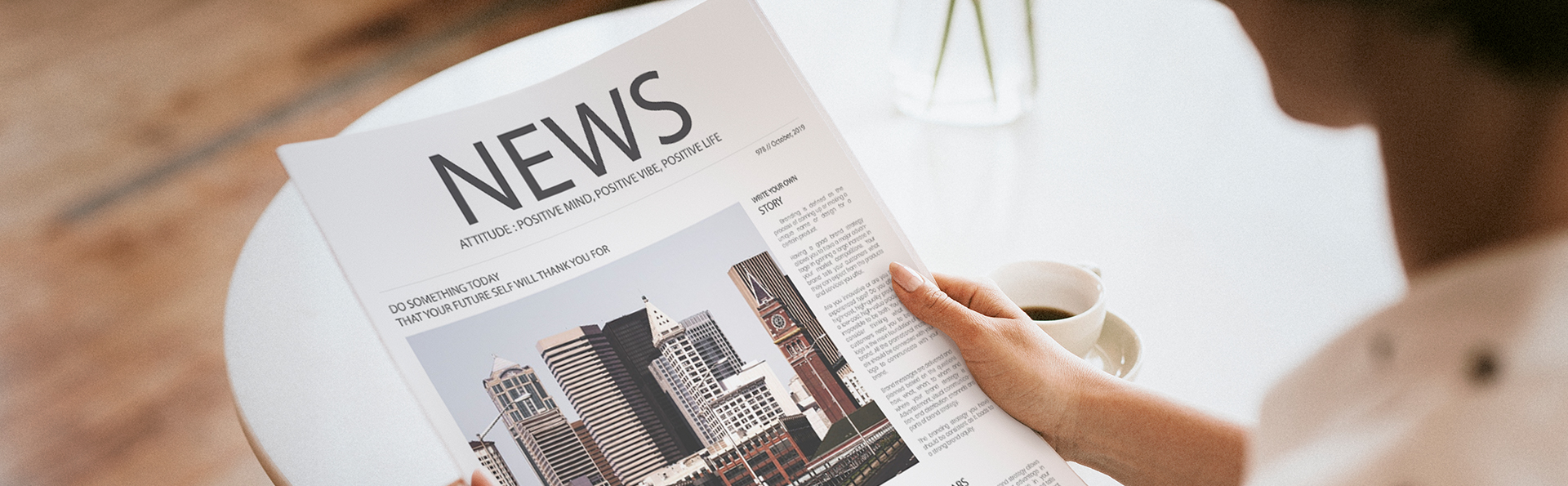
If you are over 45 and have started holding menus and text messages farther from your eyes to read them, you have probably heard that progressive lenses are the modern fix for presbyopia. That advice is often right, but it carries a caveat: progressive lenses have real downsides. As an optical lens manufacturer, we see these lenses before they reach the frame and after problems surface, and we know that many “lens failures” are actually design, fitting, or expectation failures. The short version is that progressives can cause adaptation discomfort, peripheral distortion, higher cost, and fitting challenges. The longer version, including what causes each issue and how to avoid it, follows.
Adaptation Challenges: Dizziness, Headaches, and Nausea
Nearly every first-time progressive wearer notices something strange during the first week. The world can appear to bend when the eyes move, steps may look closer or farther than they are, and a few hours of wear can produce a headache or a touch of nausea. This is the most common downside of progressive lenses, and it is also the most predictable.
The root cause is optical. A progressive lens gradually changes power from the distance zone at the top to the near zone at the bottom, and that gradual change forces unwanted astigmatism into the lower outer edges of the lens. When the eye scans across those edges, images appear to stretch and shift, an effect commonly called the “swim effect.” Bifocals avoid this with a hard dividing line, but they introduce an abrupt “image jump” every time the eye crosses that line. Progressives trade image jump for a smoother, yet still imperfect, transition.
Most people adapt within one to two weeks if they wear the new lenses consistently from early morning, which lets the brain learn to move the head instead of scanning with the eyes. The design’s channel length shapes this experience: a shorter channel positions the near zone higher and adapts more quickly but narrows the usable field, while a longer channel provides a wider field but demands more head movement. Choosing the right channel length is one of the first ways a good fitter reduces adaptation struggles.
Peripheral Distortion and a Reduced Field of View
Even after full adaptation, progressives do not restore the unrestricted view of a single-vision lens. The lower outer corners contain aberration zones that are physically unavoidable: because the lens must distribute increasing reading power from top to bottom, some unwanted astigmatism has to be placed somewhere. The difference between a good lens and a poor one is where that distortion lives and how wide it spreads.
Traditional designs scatter the distortion over broad areas, which makes the clear corridor narrow and forces the wearer to move the head frequently. Advanced freeform progressive lens designs calculate the surface point by point, concentrating the distortion into smaller, less noticeable regions and widening the clear corridor. That is why design tier matters more for progressives than for any other lens type.
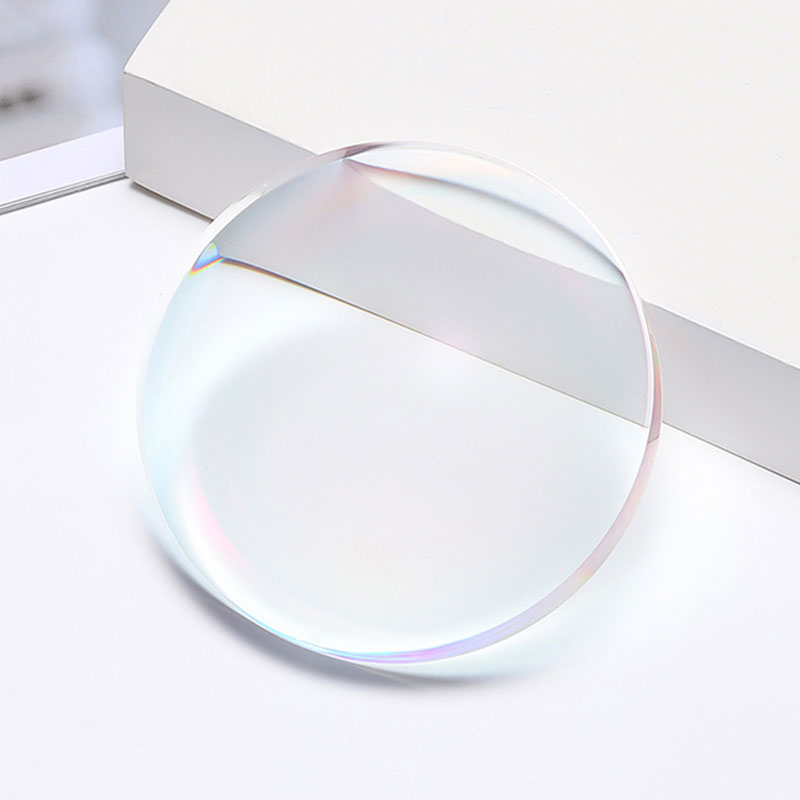
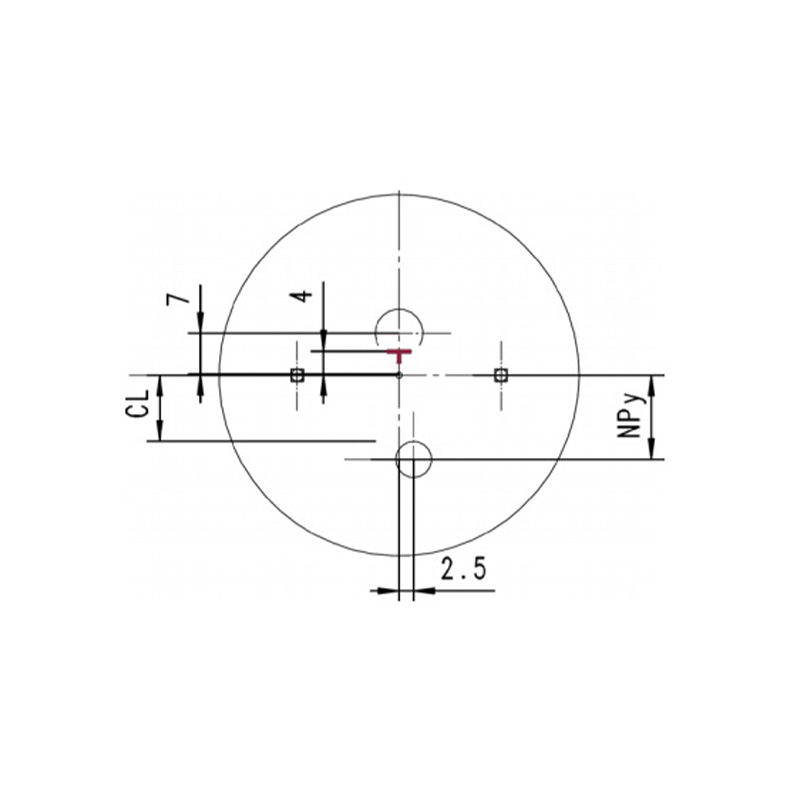 Custom OptoTech SD Freeform Progressive Lenses Suppliers, OEM/ODM Factory - JianJiangsu Green Stone Optical Co., Ltd is China OptoTech SD Freeform Progressive Lenses Suppliers and OEM Factory, details:The OptoTech SD ...View Product →
The practical effect shows up in everyday activities. Side-to-side eye movements become less reliable, so wearers turn their heads more than they used to. Driving requires special attention when changing lanes or checking a rearview mirror. During the adaptation phase, avoid high-speed driving until you trust your spatial judgment. The same caution applies on stairs, where peripheral blur can shift the apparent position of steps. These limitations are real, but they are also a direct measure of the optical design you selected.
Higher Cost Compared to Single-Vision and Bifocal Lenses
Progressive lenses cost more than single-vision or bifocal lenses, and the price gap can be large. The difference is not arbitrary pricing. A progressive lens needs a complex optical design, precision surfacing, and, for custom options, individual compensation for the wearer’s frame and prescription. Every pair is a small optical instrument, not a mass-produced piece of cast plastic.
Most of the price spread comes from the difference between stock lenses and custom freeform lenses. Stock progressives are molded in preset designs and distributed to optical shops; they cost less, but the design is fixed and cannot adapt to individual measurements. Custom freeform lenses are machined for one specific prescription and frame. This is why a very cheap progressive lens is rarely a bargain: the price usually reflects an older design with wider distortion, not merely an aggressive discount. If your budget is tight, a standard entry-level progressive lens can still work, but plan on a longer adaptation and stricter fitting accuracy.
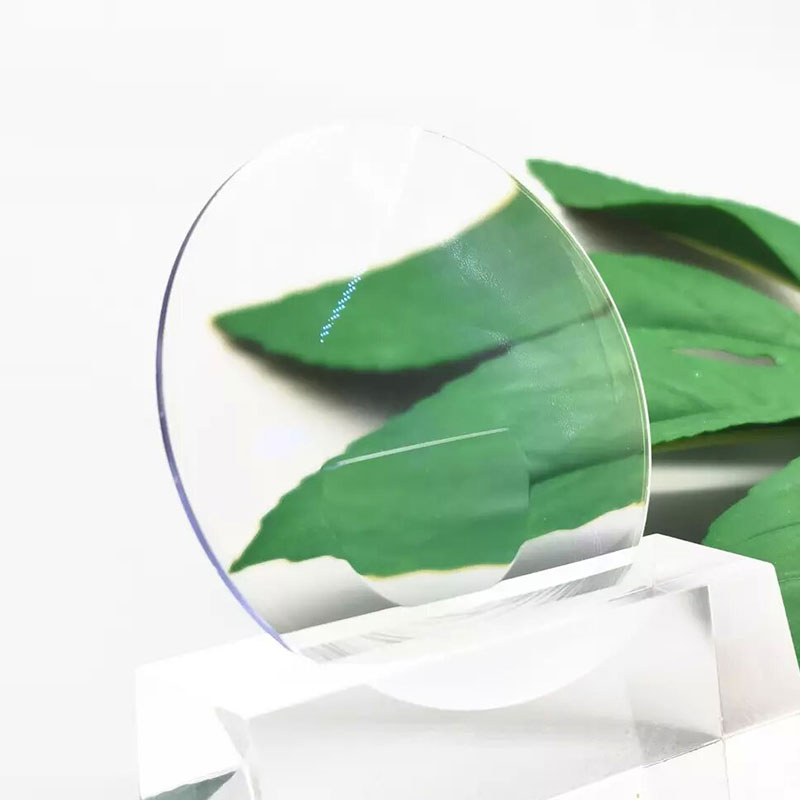
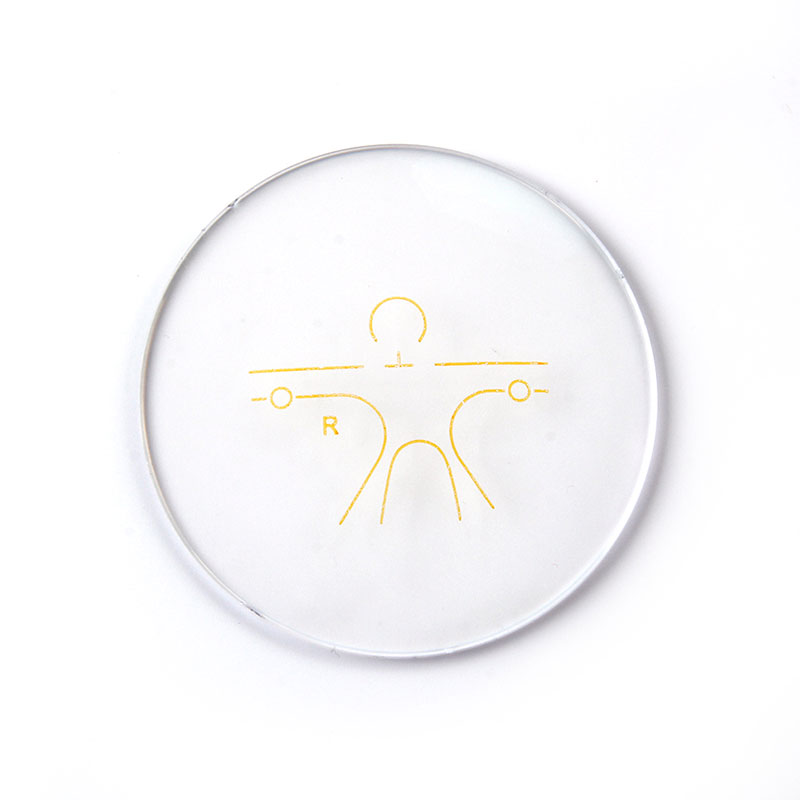 Custom 1.56 Progressive Lens HMC Suppliers, OEM/ODM Factory - Jiangsu Green StonJiangsu Green Stone Optical Co., Ltd is China 1.56 Progressive Lens HMC Suppliers and OEM Factory, details:Progressive lens is a multi-fo...View Product →
The value question depends on how you use your eyes. For a few hours of reading and television, a simpler design is acceptable. For all-day wear, regular driving, or continuous screen work, the higher price of a better design usually pays for itself.
Measurement and Fitting Sensitivity: Small Errors, Big Problems
Among the downsides of progressive lenses, the most avoidable failures come from fitting sensitivity. A single-vision lens tolerates a slightly off-center measurement, but a progressive lens demands precise placement. An error of one millimeter in pupillary distance, monocular pupil height, or vertical fitting height can push the near zone out of reach, place the distance zone off-center, or flood the readable area with distortion.
This explains why the same lens model can feel excellent from one optical shop and terrible from another. The lens is identical; the measurements and frame adjustments are not. A professional fitting measures each eye separately rather than relying on a generic pupil distance, and the fitting height is taken while the patient wears the frame, because frame tilt, wrap, and distance from the eye all change how light enters the lens.
A competent fitting includes:
- Monocular pupillary distance for each eye
- Vertical fitting height measured on the actual frame
- Pantoscopic tilt and vertex distance recorded
- Frame width checked against the lens corridor length
If new progressives cause persistent blur or dizziness after two weeks, request that the measurements be rechecked before blaming the lens. Most “defective” progressives are actually mispositioned ones.
Not Everyone Is an Ideal Candidate for Progressive Lenses
An honest discussion of downsides has to identify who should skip progressives altogether. Some people adapt poorly no matter how good the design or fitting is. This group includes patients with functional vision in only one eye, because interpreting the transition zones relies heavily on binocular input; patients with certain eye movement disorders; and patients with a history of severe vertigo or balance problems. Anyone in these categories should compare alternatives with their eye care professional before paying for a progressive pair.
Even suitable candidates can have a difficult experience because the prescription is not a fixed number. Dry eye, elevated blood sugar, prior corneal surgery, and some medications can shift refraction from week to week. If the prescription is unstable, a simpler lens may feel more dependable. The table below summarizes the main options.
| Lens Type | Relative Cost | Adaptation Load | Best For |
|---|---|---|---|
| Single vision | Lower | Minimal | One fixed working distance |
| Bifocal | Moderate | Mild | Clear near and distance with a visible line |
| Progressive | Higher | Moderate to significant | Seamless vision at all distances |
For people who spend most of the day at a computer, occupational progressive lenses for desk work dedicate a larger share of the lens to intermediate distances and reduce the head tilting needed to align the monitor zone. They are not intended for driving, but they directly address the “blurry middle zone” complaint that often discourages first-time progressive wearers.
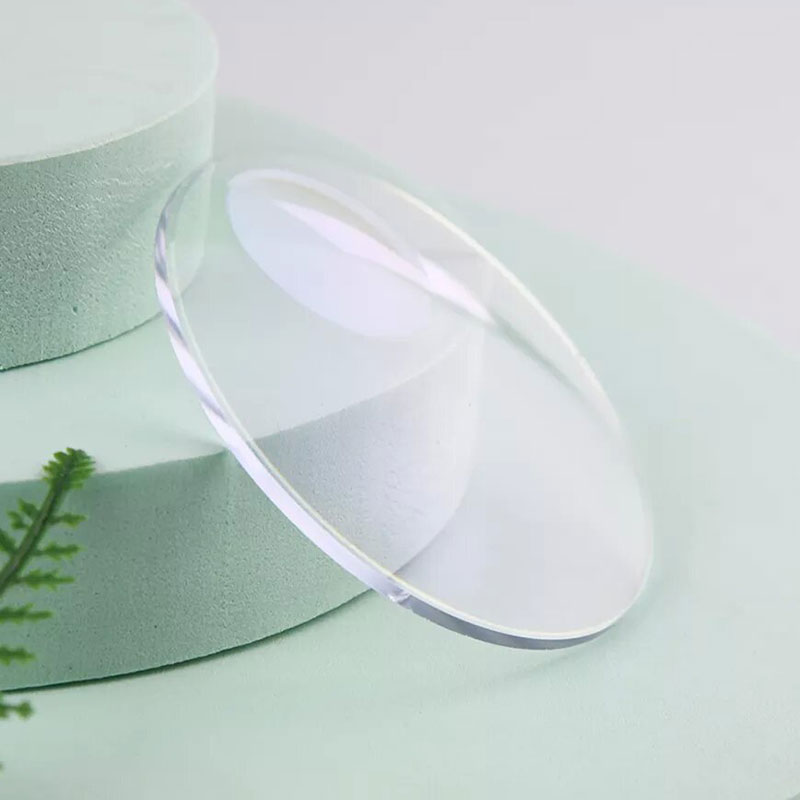
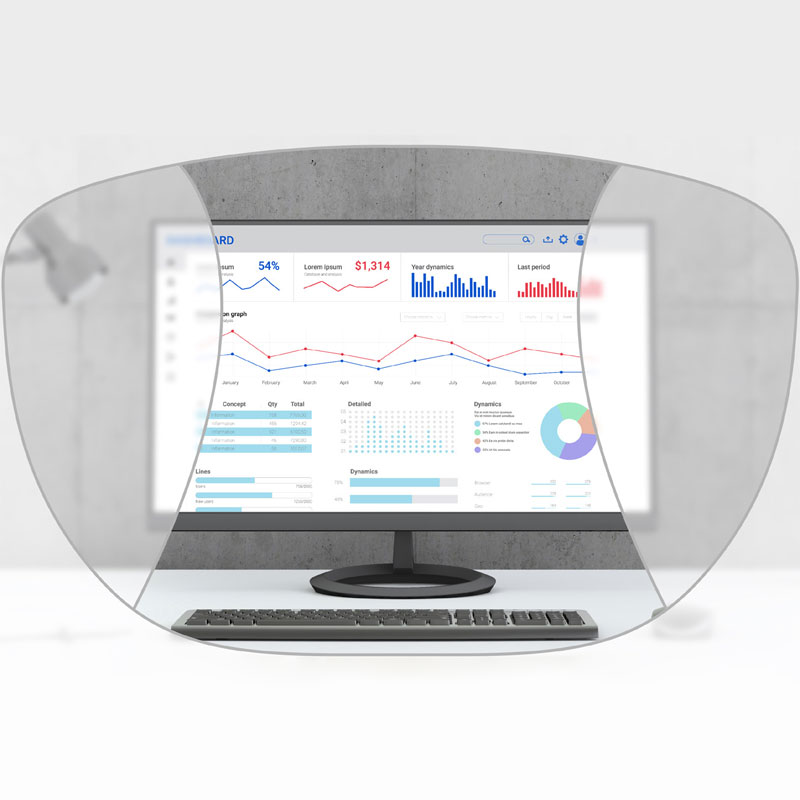 Custom Desk 2.0 Occupational Lens Suppliers, OEM/ODM Factory - Jiangsu Green StoJiangsu Green Stone Optical Co., Ltd is China Desk 2.0 Occupational Lens Suppliers and OEM Factory, details:New and improved updated desi...View Product →
How Modern Lens Design Minimizes These Downsides
Every downside in this article is smaller with current technology than it was ten years ago. Digital freeform manufacturing has changed what a progressive lens can do. Instead of adapting a pre-molded surface to a prescription, a freeform lens is calculated and machined for one specific pair of measurements: the prescription, monocular PD, fitting height, frame tilt, and vertex distance. The payoff is a wider clear corridor, compressed distortion, and smoother transitions.
This is why sweeping statements such as “everyone needs two full weeks to adapt” no longer apply uniformly. A well-designed, correctly fitted personalized progressive can feel natural within a day or two, while an outdated stock design can stay uncomfortable for weeks. The technology gap is that large.
To make the decision practical, follow these steps:
- Choose an eye care professional who measures monocular PD and fitting height on the frame you actually intend to wear.
- Describe your day accurately: hours of driving, screen time, reading distance, and hobby distances.
- Match the design to those tasks, whether that means an everyday progressive, a driver design, an office design, or a freeform personalized lens.
- Plan for an adaptation period and a follow-up adjustment visit rather than expecting instant perfection.
As a manufacturer, we produce everything from standard stock progressives to digitally calculated freeform designs under the Optotech line. That range exists because budgets, prescriptions, and visual demands genuinely differ.
So what is the real downside of progressive lenses? They can make you dizzy while you adapt, cost more than simpler options, narrow your peripheral vision to some degree, and fail completely if the measurements are wrong. They are also the most convenient way to restore continuous vision across every distance, which is why millions of wearers accept those trade-offs. Approach them as what they are: a precision product. Work with a qualified fitter, provide accurate measurements, choose a design matched to your life, and give yourself time to adapt. Done that way, the downside of progressive lenses becomes a manageable variable rather than a reason to avoid them.