


 Español




You wake up, reach for your glasses on the bedside table, and put them on before your feet touch the floor. That is exactly how most eye care professionals recommend treating your...
READ MORE

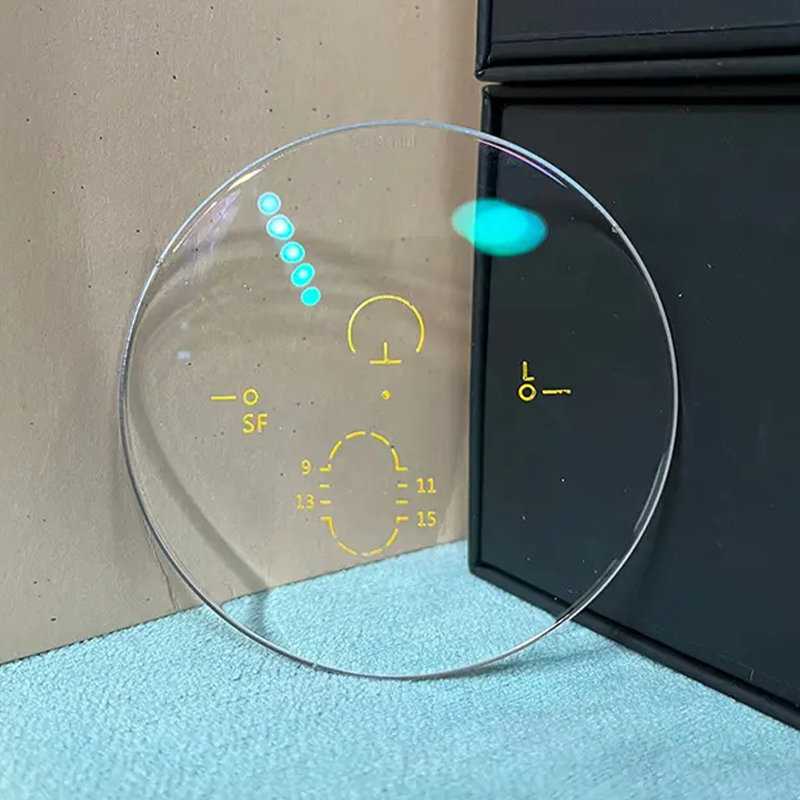
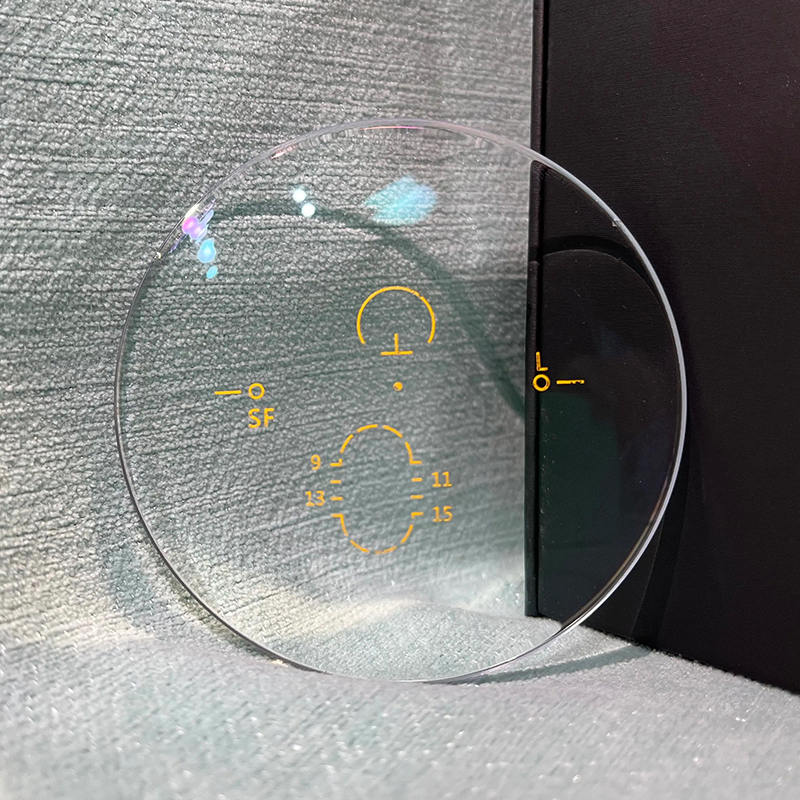
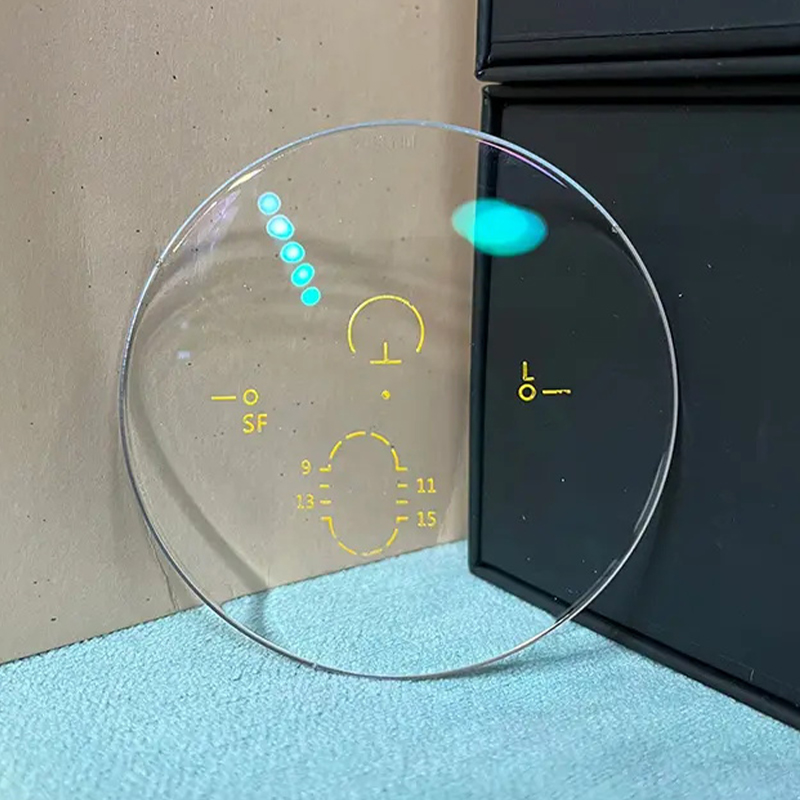
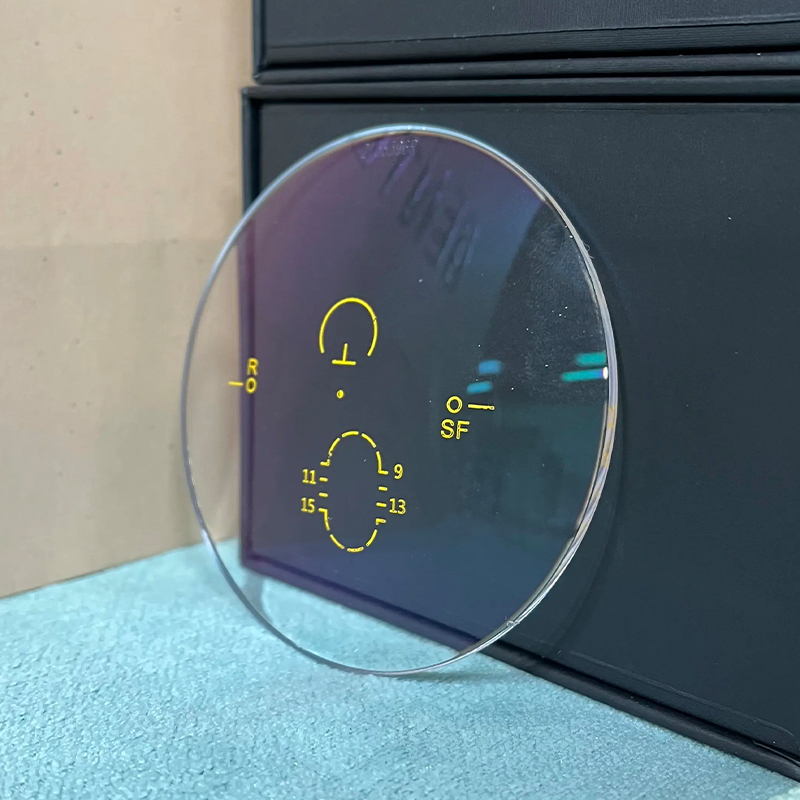
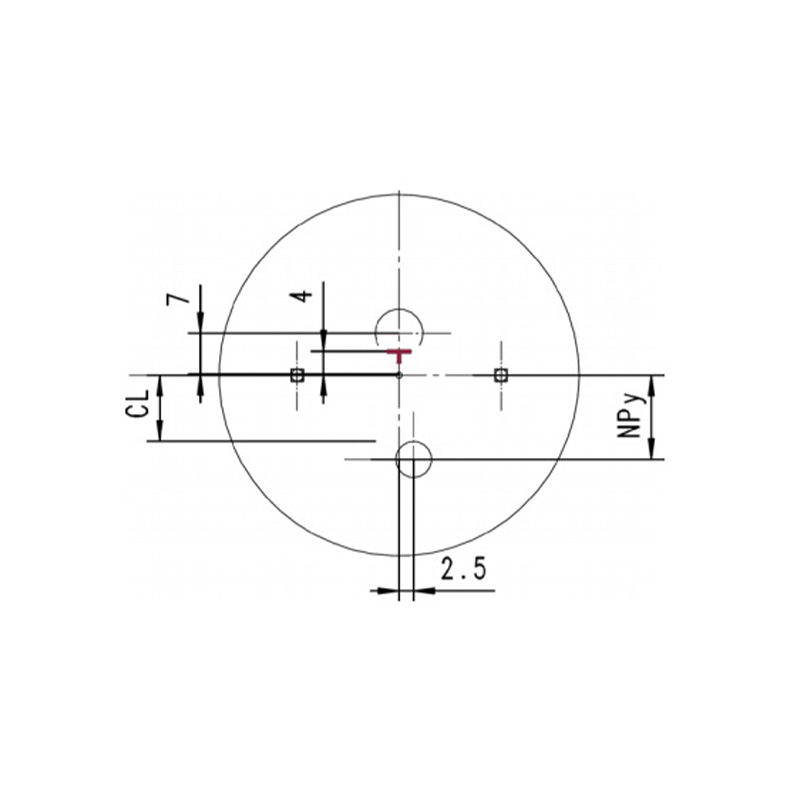
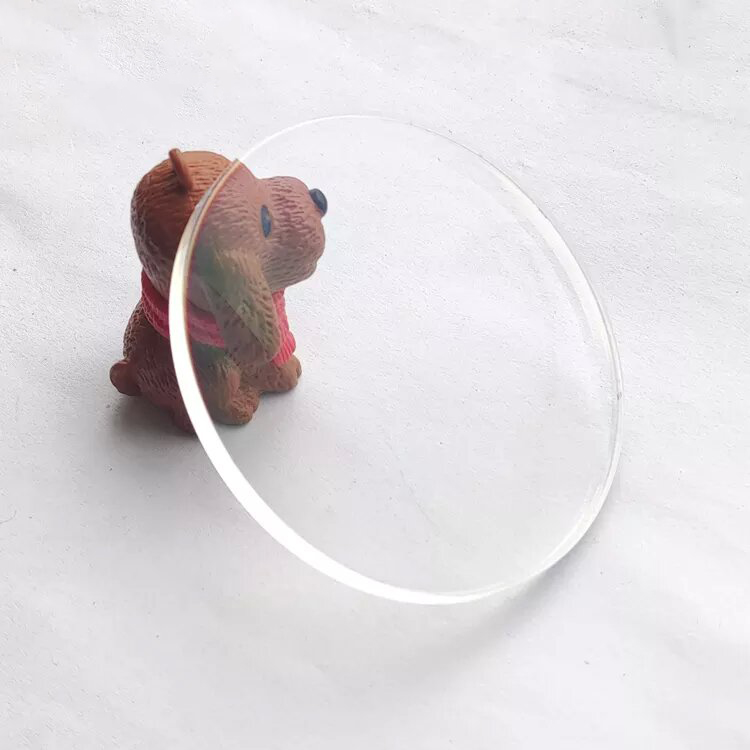
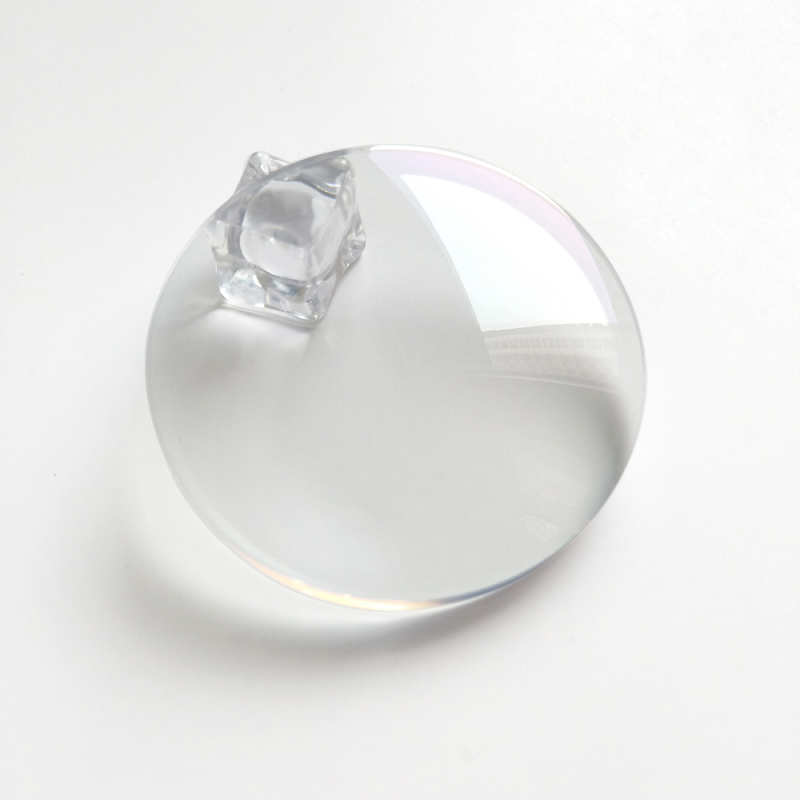
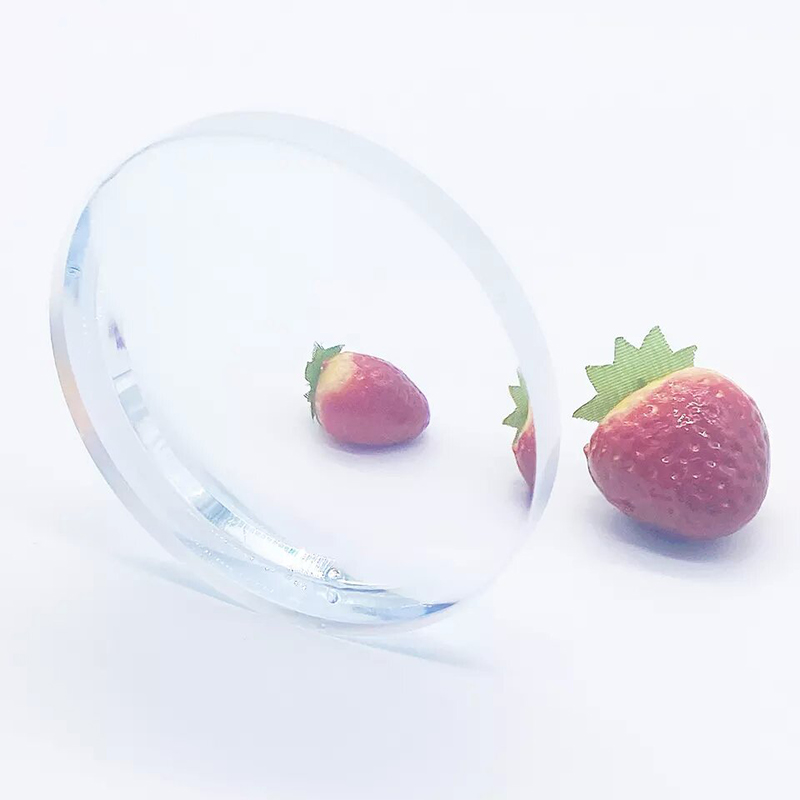
OptoTech SD Freeform Progressive Lenses Custom
OptoTech SD Freeform Progressive Lenses
The OptoTech SD progressive lens design spreads the unwanted astigmatism across larger areas of the lens surface, thereby reducing the overall magnitude of blur at the expense of narrowing the zones of perfectly clear vision. The astigmatic error may even affect the distance zone. Consequently, softer progressive lenses generally show the following characteristics: Narrower distance zones, wider near zones, and lower, more slowly increasing levels of astigmatism (widely spaced contours). The max. amount of unwanted astigmatism is reduced to an incredible level of approx. 75% of the addition power.This design variant is partly applicable for modern working places.
About
Jiangsu Green Stone Optical Co., Ltd.
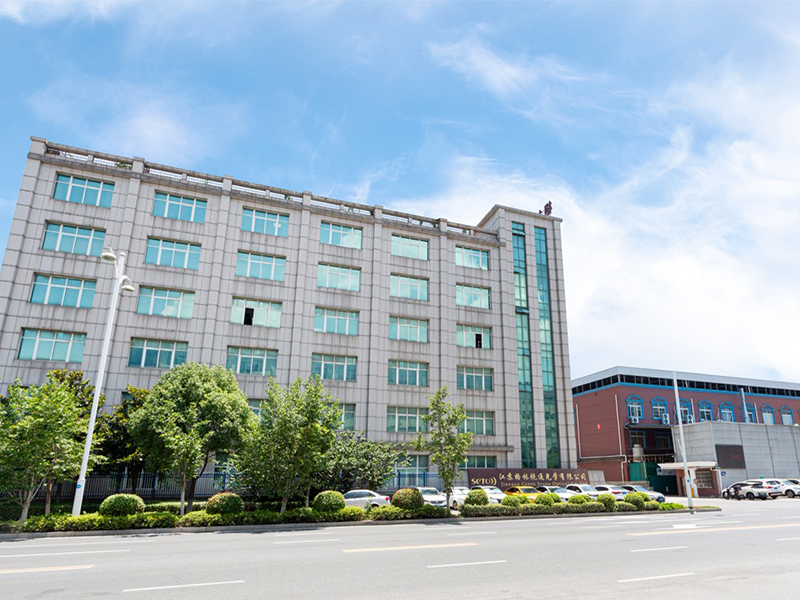
Jiangsu Green Stone Optical Co., Ltd. is professional China OptoTech SD Freeform Progressive Lenses Suppliers and Custom OptoTech SD Freeform Progressive Lenses Factory with strong combination of R&D, production and sales.
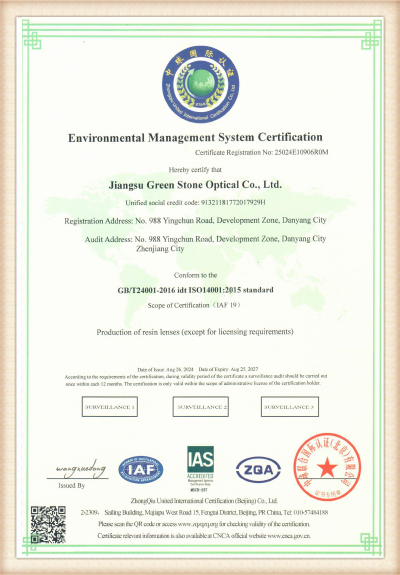
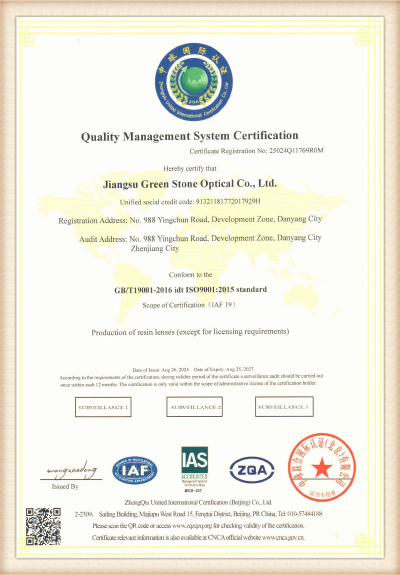
Our lens products involves almost all types of lenses. Product range covers 1.499, 1.56, 1.60, 1.67, 1.70 and 1.74 index, including single vision,bifocal, progressive, blue cut, Photochromic, blue cut photochromic, Infrared cut etc. with HC, HMC and SHMC treatment. Besides finished lens, We also manufactures semi-finished blanks. The products are registered with CE&FDA and our production certified by ISO9001& ISO14001 standards.
We positively introduce excellent management technology, comprehensively import Corporate Identity System and enhance the external image of company and brand.
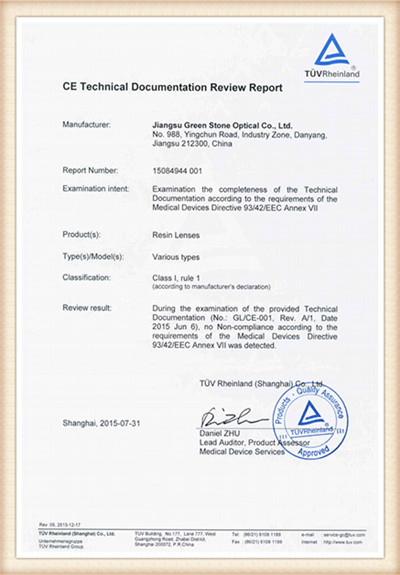
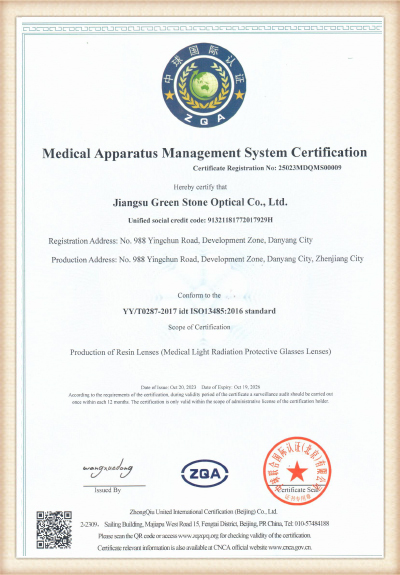
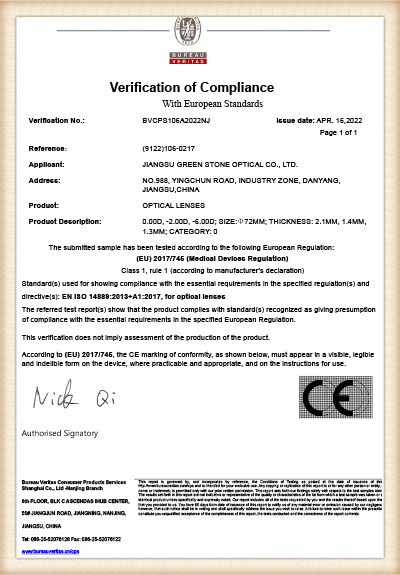
Certificate Of Honor
News
-
-
What Is Presbyopia and Why Do You Need Multifocal Lenses? Picture this: you are holding a restaurant menu at arm's length, squinting at the print, or you just bumped your phone's ...
READ MORE -
You are past 40, and something has changed. The menu at your favorite restaurant suddenly seems dimmer. The phone you once read easily now has to be held at arm's length. After a ...
READ MORE -
If you are over 45 and have started holding menus and text messages farther from your eyes to read them, you have probably heard that progressive lenses are the modern fix for pres...
READ MORE -
What Is a Progressive Lens in Eyeglasses? You are reading this because near vision has started to feel unreliable, or because someone told you that progressive lenses are the mode...
READ MORE
Message Feedback
Contact Us
-
 Add: No. 988 Yingchun Road, Industry Zone, Danyang,Jiangsu,China
 -
 Email: [email protected] / [email protected]
 -
 phone: +86 13306102698
-

Jiangsu Green Stone Optical Co., Ltd. is a professional optical lens manufacturer with strong combination of R&D, production and sales. We have production base of 65000 square meters and more than 350 employees.
-
Product
Stock Lens RX Lens -
Quick Links
Home Products About Factory News Contact -
Wechat

-
WhatsApp

Copyright © Jiangsu Green Stone Optical Co., Ltd. All Rights Reserved.
 OEM/ODM OptoTech SD Freeform Progressive Lenses Factory
OEM/ODM OptoTech SD Freeform Progressive Lenses Factory