

 Español



Lens Blank Selection and Processing
What Is a Semi-Finished Lens and How Is It Used to Produce Prescription Eyewear?
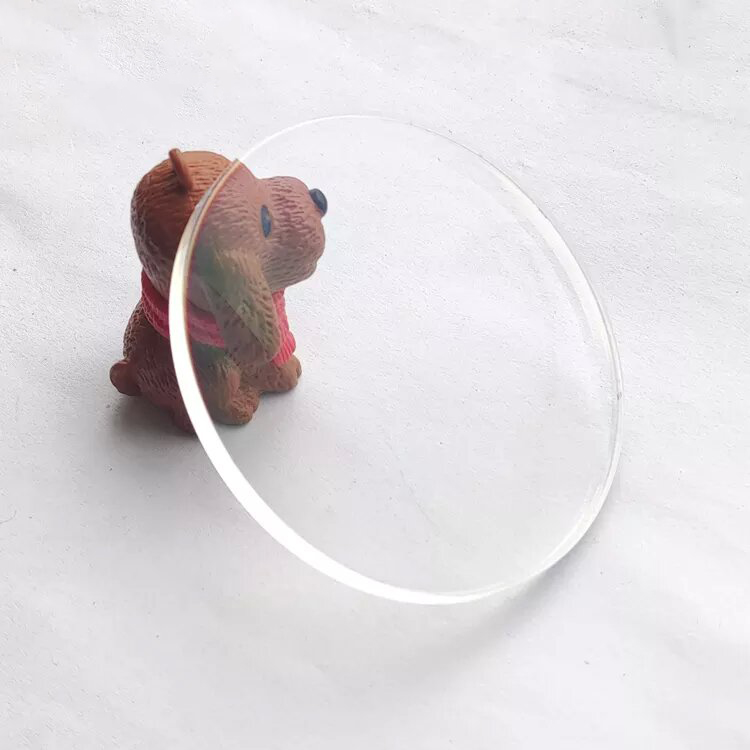
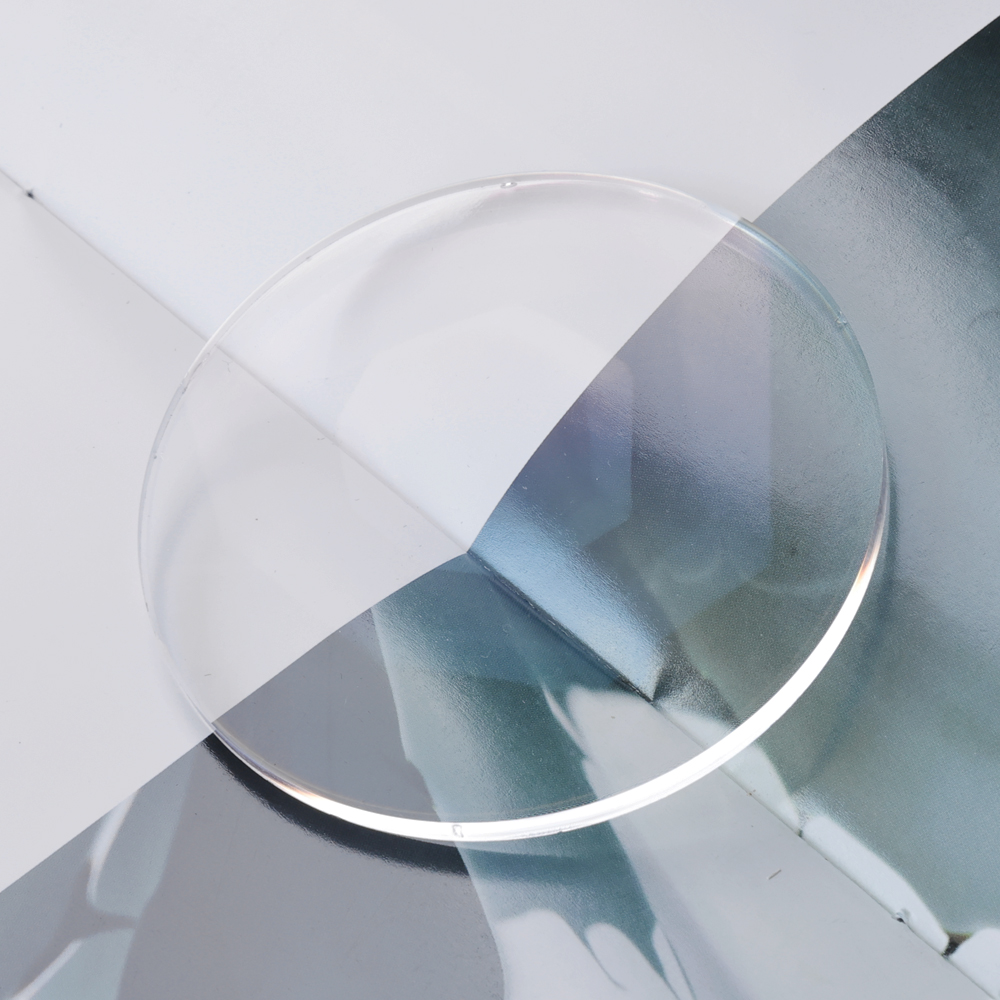
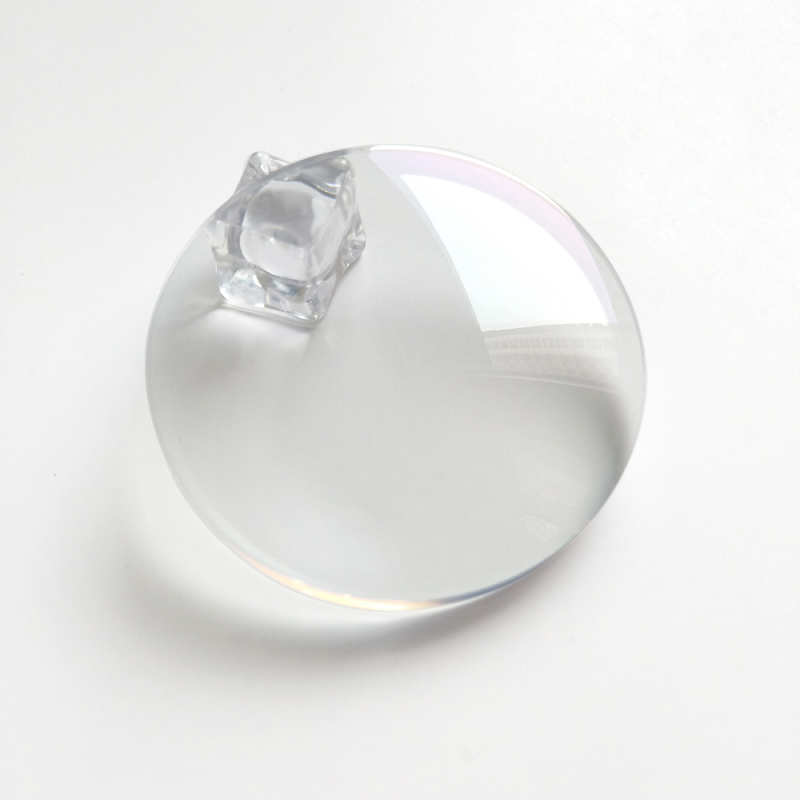
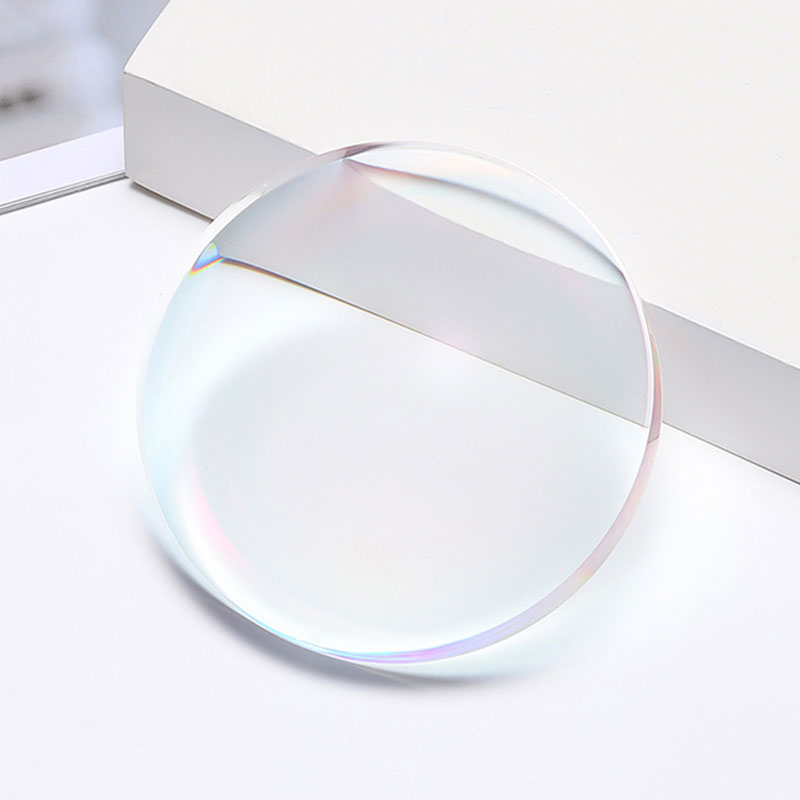
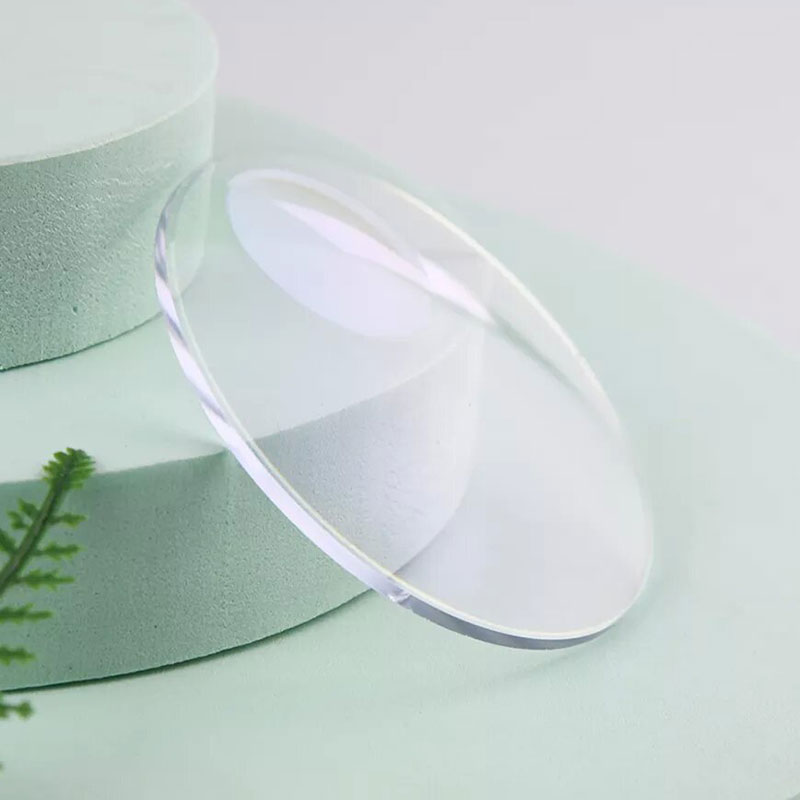
A semi-finished lens is an intermediate optical blank designed for further prescription surfacing. One side normally carries a finished optical curve, coating-ready surface, or functional design, while the opposite side remains available for laboratory processing. This structure allows optical laboratories to create customized sphere, cylinder, prism, thickness, and fitting parameters according to an individual prescription.
The unfinished side is surfaced, polished, inspected, coated, edged, and fitted according to the required optical design.
What is a semi finished lens?
Understanding the Difference Between Finished and Semi-Finished Optical Lenses
A finished stock lens has already been manufactured to a defined optical power and is generally ready for edging and mounting into a frame. A Semi-Finished Lens requires additional surfacing before it becomes a wearable prescription lens.
The front surface of a semi-finished blank may contain a standard spherical base curve, an aspheric form, a progressive corridor, a bifocal segment, or another optical design. The back surface is processed according to the prescription and fitting requirements. This arrangement provides greater flexibility than a fixed-power finished lens.
Finished Stock Lens
Predetermined Optical Power
Both optical surfaces are complete. The laboratory mainly verifies the power, applies any required finishing treatment, edges the lens, and installs it into the selected frame.
Semi-Finished Lens Blank
Customizable Prescription Surface
One surface remains available for generating the required prescription, prism, center thickness, edge thickness, and optical geometry.
Semi-finished blanks are commonly selected for high prescriptions, unusual cylinder values, prism correction, customized progressive designs, occupational lenses, and prescriptions that are not practical to maintain as finished stock. They are also useful when frame shape, lens diameter, fitting height, or thickness control requires more precise calculation.
Common Product Configurations
Semi-Finished Plastic Lens Options for Different Optical Designs
Anti Reflective Single Vision Plastic Semi Finished Lens
Designed for customized single-vision prescriptions with an anti-reflective coating system. It can support clearer cosmetic appearance, reduced surface reflection, easier cleaning, and improved visual transparency.
Blue Cut Single Vision Plastic Semi Finished Lens
Combines prescription surfacing flexibility with selected blue-violet light filtration. The filtering function may be produced by lens material absorption, coating technology, or a combined structure.
Invisible Plastic Semi Finished Lens
The term invisible plastic semi finished lens is commonly used for progressive or no-line multifocal designs in which the power transition is integrated into the optical surface without a visible bifocal segment.
Progressive Plastic Semi Finished Lens
Provides distance, intermediate, and near vision zones through a continuous power progression. Final performance depends on corridor design, fitting height, frame dimensions, prescription, and accurate surfacing.
What are the four types of lenses?
Four Common Spectacle Lens Designs Used in Prescription Eyewear
Lens categories can be classified by material, optical design, surface structure, tint, or function. When the question refers to prescription vision zones, four commonly discussed designs are single vision, bifocal, progressive, and occupational lenses.
Single Vision Lens
Contains one primary optical power across the usable lens area. It may be designed for distance, reading, computer work, or another defined viewing range.
Bifocal Lens
Provides two distinct powers, commonly distance and near. A visible segment separates the near portion from the main distance area.
Progressive Lens
Uses a gradual power transition without a visible dividing line. Distance, intermediate, and near vision are integrated into one lens.
Occupational Lens
Optimized for selected working distances, such as desk work, computer screens, instruments, production equipment, or detailed near tasks.
A plastic semi finished lens can be produced for several of these categories. The suitable blank depends on front curve, lens diameter, addition power, corridor length, base curve, minimum thickness, and the selected frame.
Laboratory Workflow
How a Plastic Semi Finished Lens Becomes a Finished Prescription Lens
The final lens is created through a controlled sequence of calculation, blocking, surfacing, polishing, coating, edging, and inspection.
Prescription Review
Sphere, cylinder, axis, addition, prism, pupillary distance, fitting height, and frame measurements are checked.
Blank Selection
The laboratory selects an appropriate material, diameter, base curve, front design, refractive index, and minimum blank thickness.
Lens Blocking
The optical blank is positioned and secured according to the calculated optical center, axis, and layout data.
Back Surface Generation
Computer-controlled equipment creates the required prescription curve and freeform geometry on the unfinished surface.
Fine Polishing
The generated surface is polished to achieve the required transparency, smoothness, optical accuracy, and surface quality.
Coating and Inspection
Hard coating, anti-reflective layers, hydrophobic treatment, power verification, surface inspection, and final edging are completed.
Specification Comparison
Key Parameters for Selecting a Semi-Finished Lens Blank
| Parameter | Why It Matters | Selection Consideration |
|---|---|---|
| Refractive Index | Influences lens thickness, weight, optical behavior, and material selection. | Higher prescriptions may benefit from a higher-index material when suitable for the frame and design. |
| Base Curve | Influences front surface form, appearance, optical performance, and frame compatibility. | The base curve should match the prescription range and intended optical design. |
| Blank Diameter | Determines whether the finished lens can cover the frame shape after decentration. | Large frames and high pupillary distance offsets may require a larger blank. |
| Center Thickness | Affects impact resistance, edge thickness, weight, and final cosmetic appearance. | Minimum thickness must satisfy material, prescription, safety, and processing requirements. |
| Abbe Value | Relates to chromatic dispersion and peripheral color fringing. | Material selection should balance thinness, impact resistance, optical clarity, and prescription needs. |
| Addition Power | Defines the near-vision power in progressive, bifocal, and occupational designs. | The correct addition range must be available in the selected semi-finished design. |
| Corridor Length | Affects the vertical space required for progressive power transition. | Short frames require a progressive design compatible with a reduced fitting height. |
| Coating Compatibility | Determines whether the lens can receive hard coating, anti-reflective coating, blue cut treatment, or tinting. | The material and surface preparation must match the intended coating process. |
Application Decision
When Not to Choose a Semi-Finished Lens Blank
Semi-finished blanks provide high production flexibility, but they are not necessary for every order. A standard finished lens may be more suitable when the prescription is common, the design is readily available, the frame does not create unusual thickness or diameter requirements, and rapid processing is the main priority.
Common Prescription Available in Stock
A finished stock lens may reduce processing steps when the exact sphere, cylinder, index, coating, and diameter are already available.
Insufficient Surfacing Equipment
A semi-finished lens requires suitable generating, polishing, blocking, measurement, and quality-control equipment.
Incompatible Blank Diameter
A blank should not be selected when its diameter cannot cover the frame shape after optical decentration and edging allowance.
Unsuitable Base Curve
An incorrect base curve can create undesirable thickness, poor frame fit, optical compromise, or an unsuitable cosmetic appearance.
Incorrect Progressive Design
A progressive blank should not be used when its corridor, fitting cross, addition range, or minimum fitting height does not match the frame and prescription.
Coating Process Mismatch
Material, tint, photochromic treatment, blue cut function, and coating system must be compatible with the intended production process.
Progressive Lens Fitting
What Frames Should You Avoid with Progressive Lenses?
Progressive plastic semi finished lens performance depends on sufficient vertical space, stable frame alignment, accurate fitting measurements, and suitable lens positioning.
Frames Requiring Careful Evaluation
Very Shallow Frames
Insufficient vertical depth can reduce the available distance, intermediate, or near viewing area. A short-corridor design may be required.
Highly Curved Wrap Frames
Strong face-form angle can create additional optical compensation requirements and may not suit every progressive design.
Oversized Frames
Large frames can increase lens weight and edge thickness, particularly when combined with strong prescriptions or large decentration.
Unstable or Easily Deformed Frames
Frequent movement can change fitting height, pantoscopic tilt, vertex distance, and optical alignment.
Helpful Frame Characteristics
Sufficient Vertical Lens Depth
Adequate height provides more room for distance, intermediate, and near viewing zones.
Stable Bridge and Temple Fit
A secure fit helps maintain the intended optical center and progressive corridor position.
Adjustable Fitting Geometry
Suitable pantoscopic tilt, vertex distance, and frame alignment support accurate lens positioning.
Compatible Shape and Diameter
The lens blank must provide enough usable diameter for the selected frame and monocular pupillary distance.
Which Lens Is Better After Cataract Surgery?
Cataract surgery normally involves an intraocular lens implanted inside the eye. A semi-finished spectacle lens is an external eyeglass lens and should not be confused with an intraocular lens.
After cataract surgery, the appropriate spectacle lens depends on residual refractive error, whether one or both eyes were treated, the implanted intraocular lens design, near-vision requirements, visual balance, light sensitivity, and medical advice.
Some users may require a single-vision distance lens, a reading lens, an anti reflective single vision plastic semi finished lens, a progressive design, or no spectacle correction for certain distances. The final prescription should be determined by a qualified eye-care professional after postoperative refraction has stabilized.
Product Quality Control
Inspection Points for Semi-Finished Lens Manufacturing
Check for scratches, pits, waves, inclusions, polishing marks, coating defects, and contamination.
Verify that the front curve matches the declared product specification and prescription range.
Confirm center thickness, edge allowance, and sufficient material for the required back-surface generation.
Measure usable diameter and confirm adequate coverage for the frame shape and decentration.
Test UV filtration, blue cut transmission, photochromic response, tint uniformity, or other declared functions.
Maintain stable material color, curve accuracy, optical quality, coating appearance, and packaging identification.
Technical Questions
Frequently Asked Questions About Semi-Finished Lens Blanks
What is a semi finished lens?
It is an optical blank with one prepared surface and one surface reserved for prescription surfacing. The unfinished side is processed according to the required power and lens design.
Why choose a plastic semi finished lens instead of a finished stock lens?
A semi-finished blank provides greater flexibility for high prescriptions, uncommon cylinder values, prism, customized thickness, progressive designs, and frame-specific calculations.
Can a semi-finished lens include blue cut performance?
Yes. A blue cut single vision plastic semi finished lens can use absorptive lens material, a selective coating, or a combined filtering structure.
Can anti-reflective coating be applied before prescription surfacing?
The coating sequence depends on the product structure and production system. Many laboratories surface and polish the unfinished side before applying the complete coating stack.
What does invisible plastic semi finished lens mean?
It generally refers to a no-line multifocal or progressive lens design. The power changes continuously without a visible bifocal dividing segment.
Does every progressive lens require a semi-finished blank?
Not always. Some progressive prescriptions can be produced from finished or digitally surfaced blanks. The production route depends on lens design, prescription range, equipment, and customization requirements.
What information is needed to select a progressive plastic semi finished lens?
Important data include prescription, addition power, monocular pupillary distance, fitting height, frame dimensions, corridor requirement, index, base curve, and coating specification.
How should semi-finished blanks be stored?
Lenses should remain in clean, dry, temperature-stable packaging and be protected from surface contact, dust, humidity, chemicals, excessive heat, and direct sunlight.
Lens Production Requirements
Configure Semi-Finished Lenses by Material, Curve, Design, and Surface Function
Product configuration can cover single vision, progressive, invisible multifocal, anti-reflective, blue cut, clear, tinted, photochromic, finished, and semi-finished lens structures. Accurate specifications help match the lens blank to prescription surfacing equipment, coating processes, frame geometry, and optical performance requirements.