

 Español



In the field of modern optometry, visual correction technology has entered an era of highly customized solutions. Whether addressing refractive errors or optimizing vision for specific environments, selecting the appropriate lens type is the foundation for ensuring visual quality.
Imaging Foundations of single vision lens
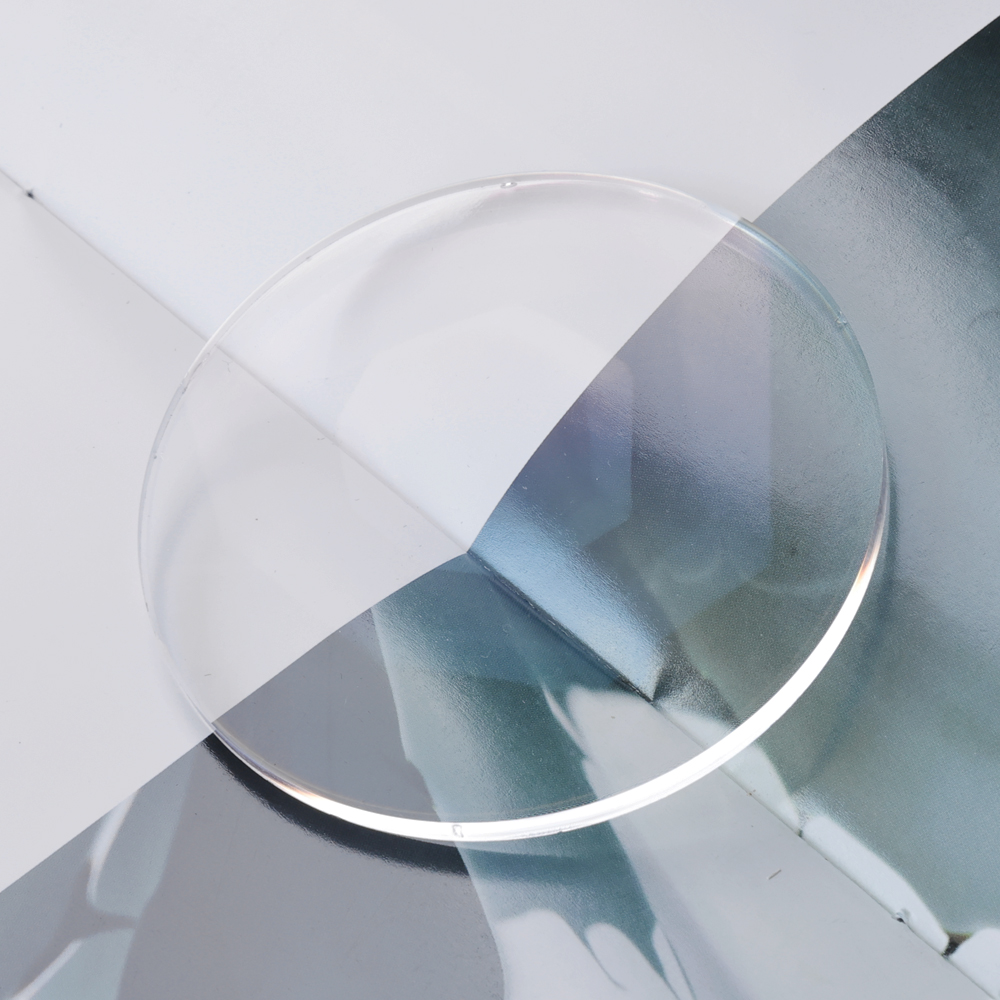
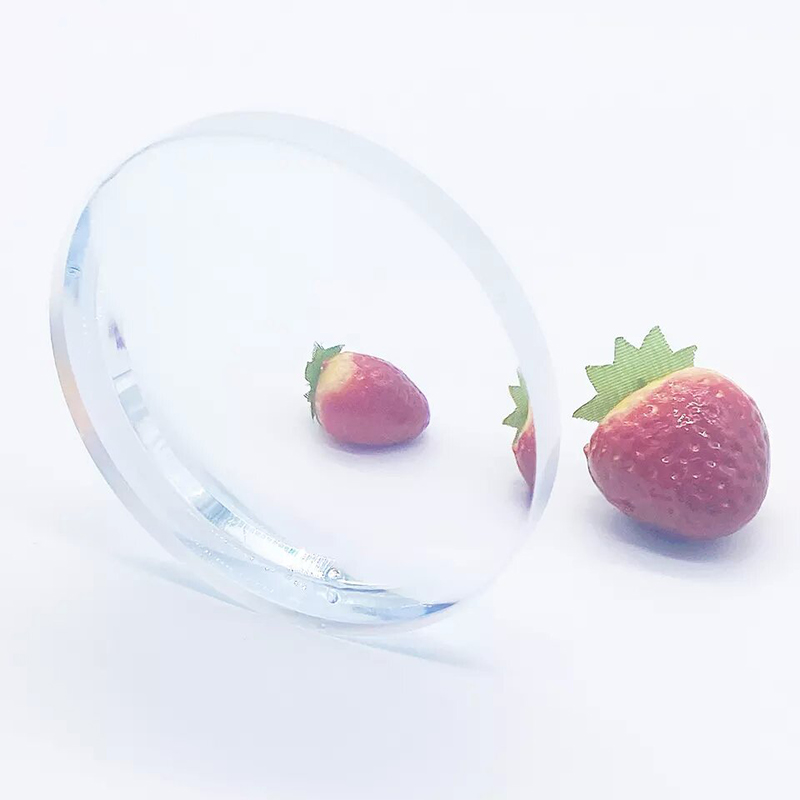
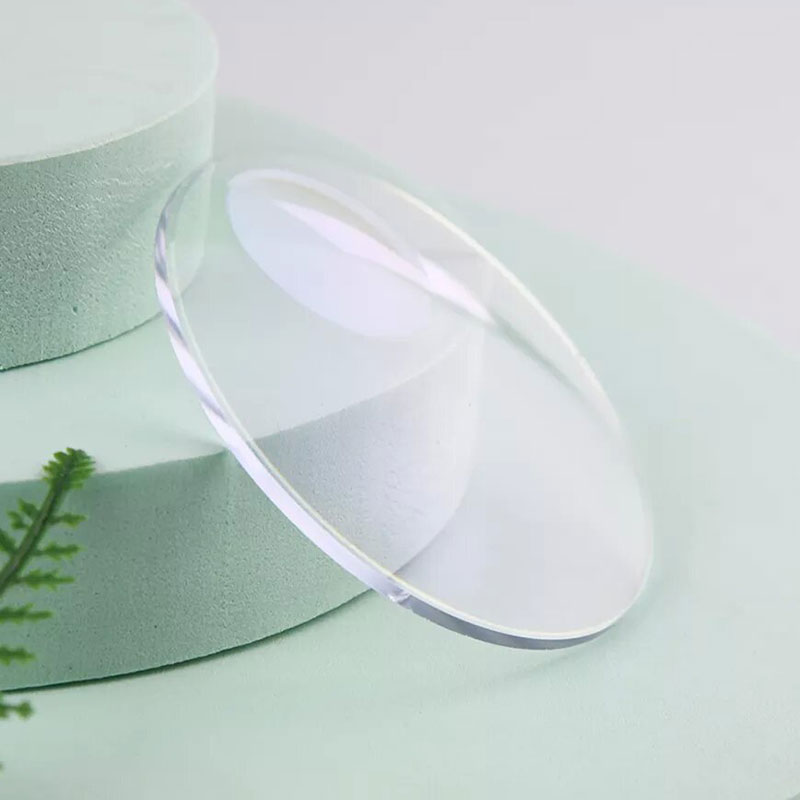
single vision lens is the fundamental corrective unit in optometry, characterized by a uniform refractive power across the entire lens surface. Whether the user experiences blurred distance vision due to myopia, or reading difficulties due to hyperopia or presbyopia, this type of lens uses precise curvature design to refocus incoming light onto the retina. Its simple, efficient structure ensures clarity in the central field of view and minimizes peripheral distortion, making it the primary choice for most patients with refractive errors.
Comfortable and Convenient Alternatives: single vision contact lenses
For those seeking an unobstructed field of view or engaging in high-intensity activities, single vision contact lenses offer superior optical performance. Since the lens adheres directly to the corneal surface, it eliminates magnification or minification effects caused by the vertex distance between spectacle lenses and the eye, resulting in image sizes closer to reality. Additionally, they provide full peripheral coverage, preventing blind spots often associated with spectacle frames.
Enhancing Optical Aesthetics and Comfort: single vision high index lenses
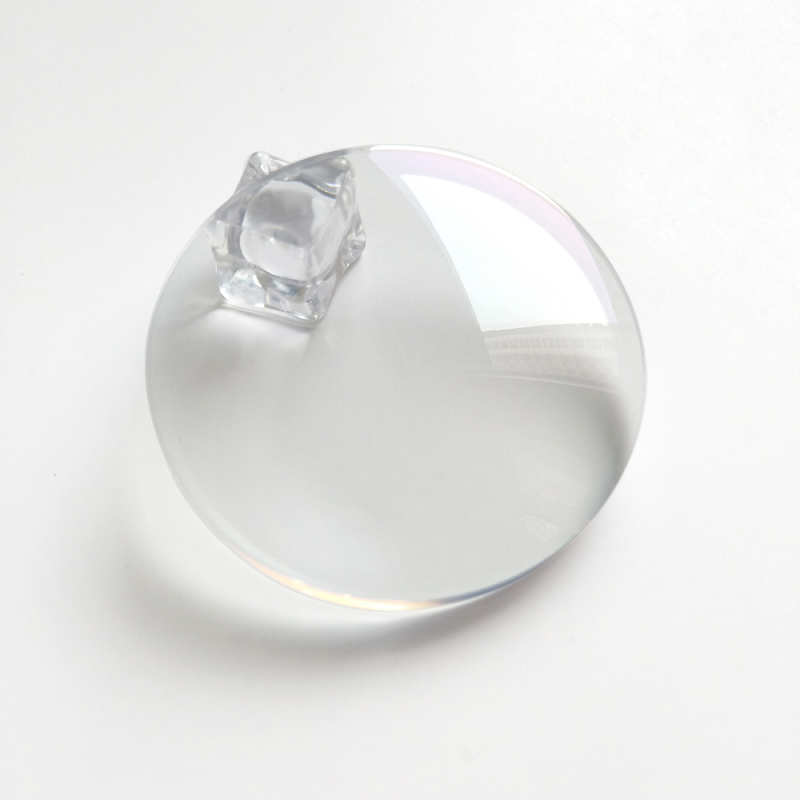
When prescription power is high, the thickness and weight of traditional lens materials can become a burden. single vision high index lenses utilize materials with higher refractive indices to effectively reduce center and edge thickness while maintaining the same corrective power. High-index materials not only lower the weight of the lenses but also improve aesthetic appeal, preventing the "swirl effect" at the edges commonly seen in high myopia, making them a key choice for improving wearer comfort.
Precision Optical Customization: digital single vision lenses
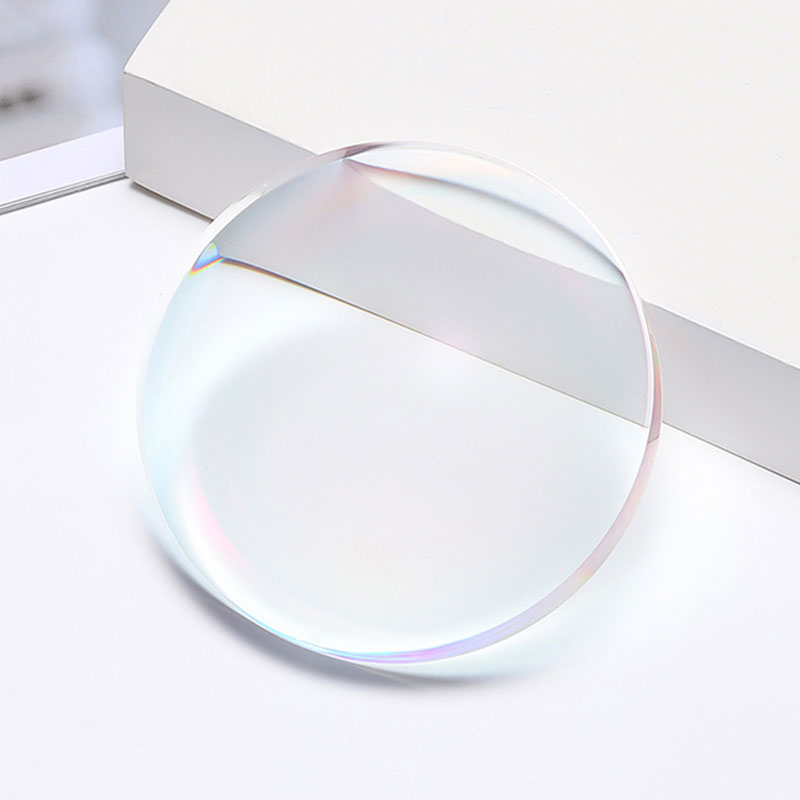
Advancements in precision manufacturing have enabled digital single vision lenses to achieve pixel-level surface correction using Computer-Aided Design (CAD) and free-form fabrication technology. Traditional lens designs are often based on standard models, whereas digital lenses are optimized based on individual parameters such as pupillary distance, frame tilt, and vertex distance. This point-to-point processing significantly reduces peripheral aberration and expands the clear field of view, providing precise compensation even for subtle vision differences.
Dynamic Light Management: single vision transition lenses
In environments with frequent transitions between indoor and outdoor light, single vision transition lenses demonstrate excellent optical adaptability. Integrated photochromic factors automatically adjust lens light transmission based on changes in ultraviolet intensity. This sensitivity ensures visual comfort in bright environments while maintaining standard transmission levels indoors, significantly reducing visual fatigue caused by drastic changes in environmental brightness.
Lens Performance Parameter Comparison
| Lens Type | Core Imaging Advantage | Application Environment | Thickness Performance |
| single vision lens | High central clarity | Basic myopia/hyperopia correction | Depends on material |
| single vision contact lenses | No distortion, full field | Sports and social occasions | Extremely thin (adheres to cornea) |
| single vision high index lenses | Thin and aesthetic | High-degree refractive correction | Significantly thinner |
| digital single vision lenses | Eliminates peripheral aberration | Fine visual tasks, complex prescriptions | Optimized design for weight reduction |
| single vision transition lenses | Automatic light adjustment | Multi-environment switching, high glare areas | Depends on material |
Maintenance Recommendations for Visual Systems
Regardless of the lens type chosen, regular professional vision examinations and scientific eye-care habits are central to maintaining visual health. For those who face electronic screens for extended periods, it is recommended to combine the choice with anti-reflective coating treatments to reduce interference from stray environmental light. Through reasonable lens combinations and personalized parameter matching, one can maximize the potential of optical designs to ensure a stable, clear, and comfortable visual experience for every user.