

 Español



Core Principles of Optical Shielding: blue light protection
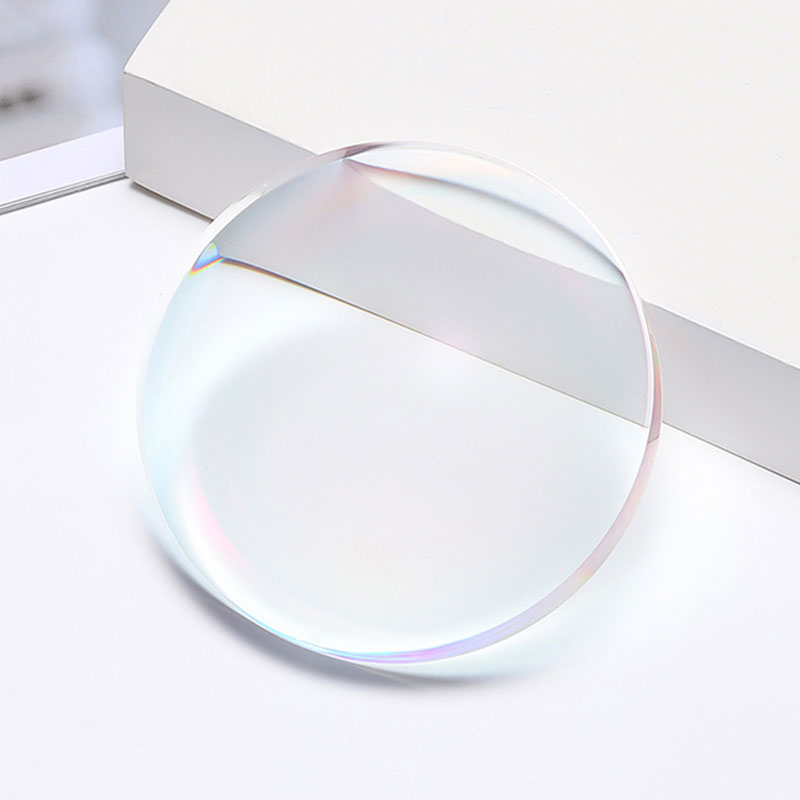
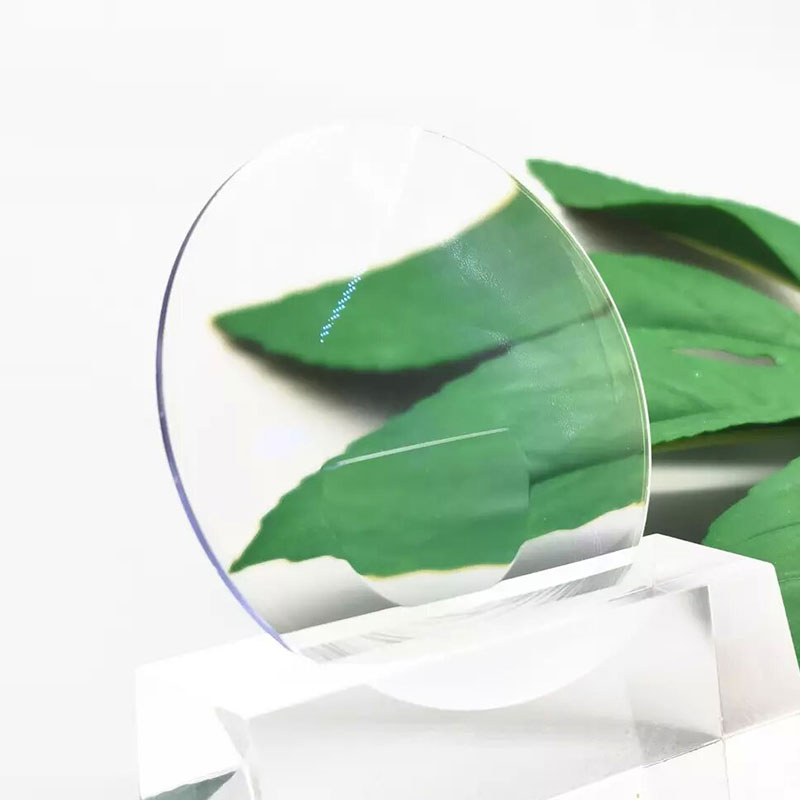
In today's digital environment, the frequency of human eye exposure to high-intensity artificial light sources has increased significantly. Research indicates that short-wave high-energy visible light with wavelengths between 400nm and 450nm has strong penetrative power toward the retina. The essence of blue light protection technology lies in intercepting this specific frequency band through substrate absorption or coating reflection. High-quality blue light filtering lenses can accurately identify and filter harmful blue light while allowing beneficial blue-green light, which regulates circadian rhythms, to pass through, thereby protecting retinal tissues while maintaining normal physiological functions.
For professionals facing digital screens for extended periods, symptoms of visual fatigue such as dryness and soreness are common. Using blue light blocking lenses can significantly reduce light scattering and improve visual contrast. The application of this technology is not merely a physical barrier; it improves the quality of light entering the eye, reduces the accommodative burden on the ciliary muscle, and addresses visual fatigue from a structural level.
Technical Parameter Comparison: Blue Block Lens Material and Process
When selecting protective products, understanding the physical properties of different materials and processes is crucial. The following table lists the key technical parameters of current mainstream Blue Block Lens solutions for professional reference:
| Parameter Index | Substrate Absorption Type | Coating Reflection Type |
|---|---|---|
| Harmful Blue Light Blocking Rate | Approx. 35% - 45% (400-455nm) | Approx. 15% - 25% (400-455nm) |
| Visible Light Transmittance | 92% - 96% | Above 98% |
| Visual Color Tint | Slight pale yellow base tint | Virtually colorless with blue residual reflection |
| Abrasion Resistance | Very High (Protection is inside the material) | High (Dependent on surface hard coating) |
| Application Scenario | Intensive screen use, high-intensity lighting | Daily wear, high aesthetic requirements |
Dynamic Light Management: Adaptability of blue light transition lenses
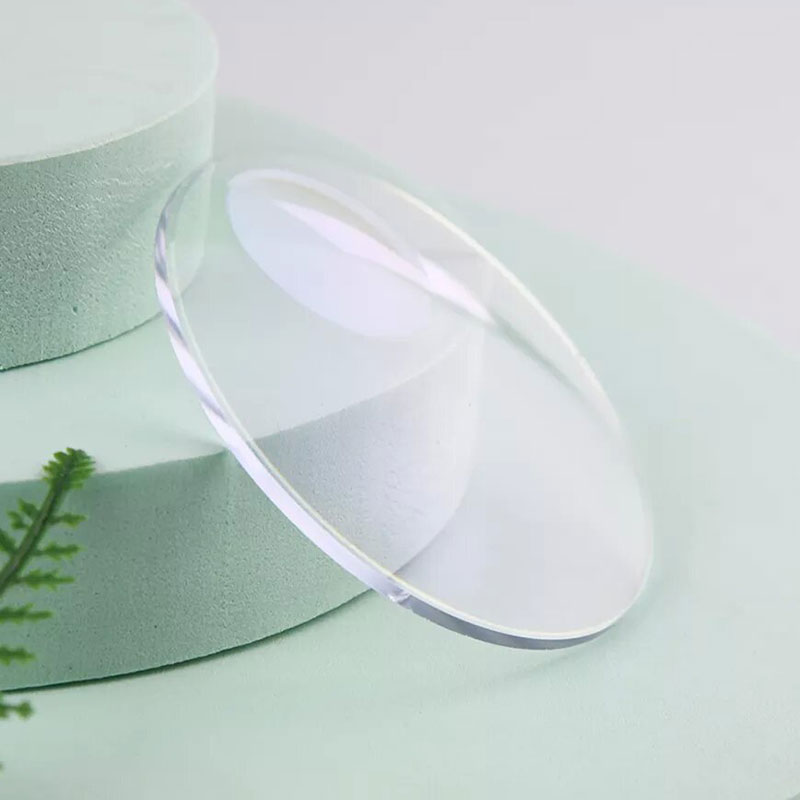
With the advancement of optical technology, single-function lenses are increasingly unable to meet all-day protection needs. The emergence of blue light transition lenses solves the contradiction between indoor protection and outdoor shading. These lenses integrate photochromic molecules with blue light filtering technology, remaining clear indoors while continuously functioning as blue light filtering lenses to resist radiation from monitors and LED fixtures.
When the user moves outdoors, the lenses react to UV intensity changes and quickly adjust their tint depth to a dark sunglass mode. In this state, the lenses not only block 100% of UV rays but also provide enhanced blue light protection. This dynamic light adjustment mechanism ensures that the eyes remain within a comfortable visual range during transitions between different light intensities, effectively preventing optic nerve tension caused by drastic light changes.
Reduction of Visual Disturbance and Optimization of Visual Acuity
In professional optical evaluations, the performance of blue light blocking lenses depends not only on the blocking rate but also on the ability to control glare. Ordinary lenses are prone to stray light when encountering bright sources, leading to blurred vision. High-performance blue light lenses utilize multi-layer anti-reflective coating technology to eliminate distracting reflections from both the front and back surfaces of the lens.
For users who process high-precision images or perform long-duration text proofreading, the color rendering capability and sharpness compensation provided by blue light filtering lenses are vital. By balancing the energy distribution of the blue light spectrum, the lenses can make the white balance within the field of vision more natural, reducing the over-stimulation of the nervous system caused by the cold tones emitted by screens. Experimental data shows that after wearing lenses with blue light protection, the blink frequency of users after four hours of continuous work remains closer to normal levels, indicating that the stability of the tear film on the ocular surface is effectively maintained.
Professional Recommendations for Long-term Visual Comfort
To achieve optimal protection, relying solely on a Blue Block Lens is insufficient; it must be combined with a scientific layout of the lighting environment. It is recommended that while using blue light blocking lenses, users maintain a balance between screen brightness and ambient light to avoid using high-brightness electronic devices in total darkness.
Furthermore, for different refractive needs, blue light transition lenses provide a comprehensive solution. Whether for myopia, hyperopia, or presbyopia, the blue light protection function can be embedded into professional correction schemes through customized optical parameters. Regularly undergoing visual function examinations and updating the configuration of blue light filtering lenses based on changes in visual habits is a necessary step in ensuring mid-to-long-term eye health. Through precise physical intervention and scientific eye-use habits, the negative impact of artificial light sources on visual health can be minimized.