

 Español



In intense outdoor environments, harsh glare and ultraviolet rays not only cause eye fatigue but can also lead to chronic photochemical damage to the retina. For outdoor enthusiasts and drivers who simultaneously face presbyopia (declining near vision) and the need for distance vision correction, traditional single-vision sunglasses or standard optical lenses often fail to balance the dual demands of "clear distance vision" and "precise near vision."
To resolve this visual pain point, modern optometry deeply integrates polarization technology with multifocal design. By properly applying advanced optical solutions such as bifocal sunglasses polarized, Polarized Lens, polarized prescription lenses, and polarized bifocals, users can overcome spatial limitations and enjoy all-weather, panoramic dynamic visual protection.
Core Physical Mechanism of Polarization Technology
When natural light strikes horizontal reflective surfaces like water, asphalt roads, sand, or car hoods, the light waves become partially polarized, creating intense horizontally vibrating light known as "reflective glare." Traditional tinted sunglasses can only lower the overall light transmittance to make the field of view darker, but they cannot eliminate this blinding, localized glare.
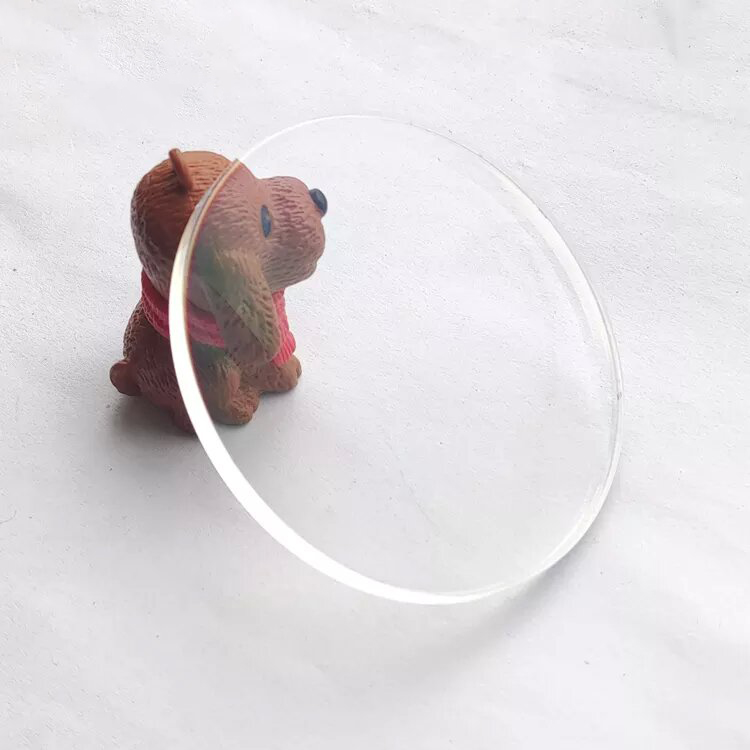
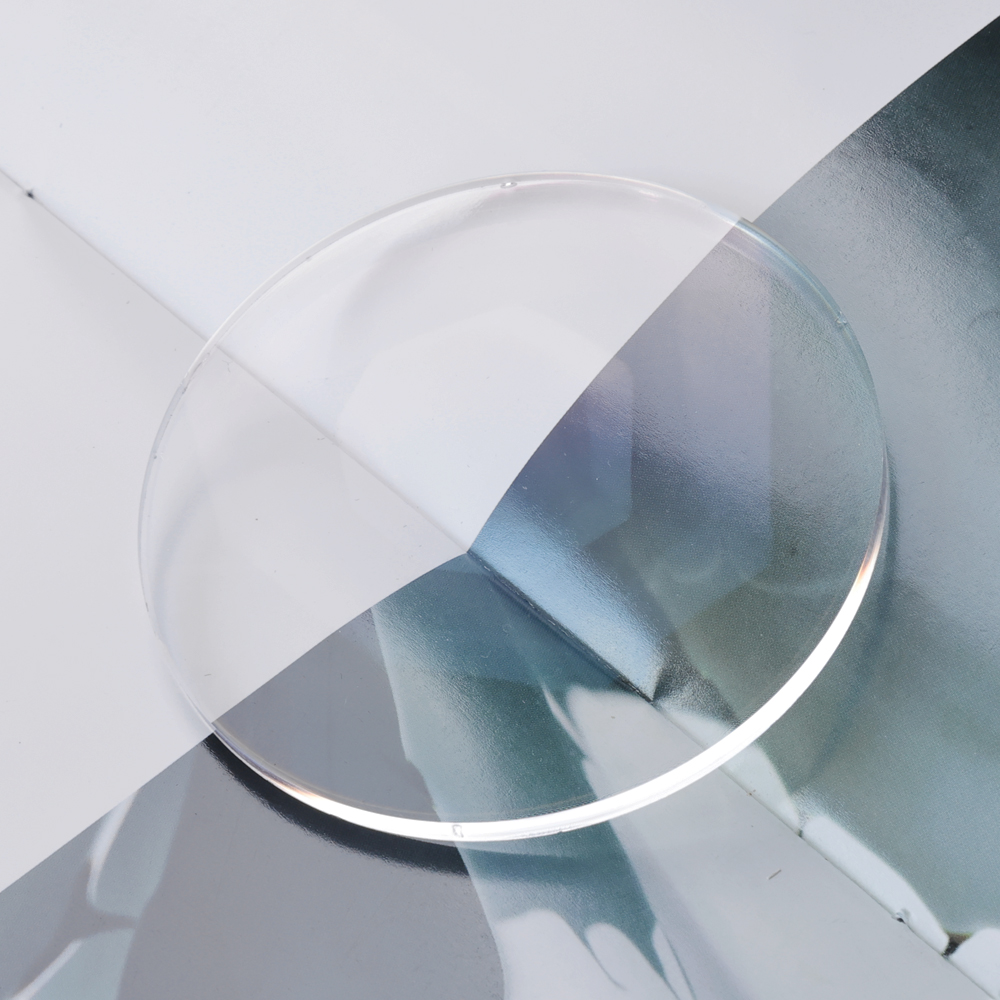
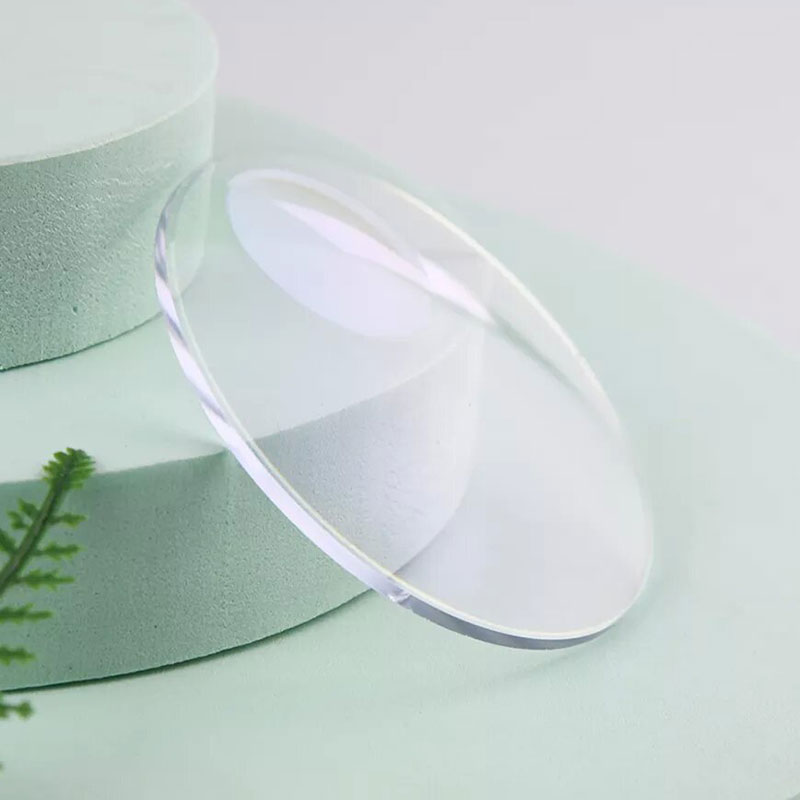
Modern optics utilizes a Polarized Lens, which embeds a dense vertical polarizing microcrystal film layer inside the lens. This layer acts like a microscopic "blind," precisely absorbing and filtering out horizontal polarized light waves while allowing only beneficial vertical light rays to pass through.
This physical filtering mechanism delivers three core visual advantages:
Eliminating Blind Spots: It blocks specular reflections from water or road surfaces, restoring object details that are otherwise masked by intense light.
Enhancing Contrast: After filtering out scattered light, the color saturation of objects in nature is significantly improved—trees appear greener, and the sky looks bluer.
Alleviating Eye Strain: The ciliary muscles do not need to contract excessively to cope with sudden, intense light, significantly reducing eye soreness after prolonged outdoor activities.
Fusion of Dual Focal Points: Spatial Layout of Functional Lenses
For specific groups of people who need to balance long-distance viewing (such as driving and watching the road or observing terrain during outdoor hiking) with close-up tasks (such as checking dashboards, looking at phones, tying fishing lines, or reading), bifocal sunglasses polarized offer an integrated visual solution.
These lenses are scientifically divided into distinct zones:
Distance Vision Zone: The upper part of the lens is primarily used for seeing distant scenery clearly.
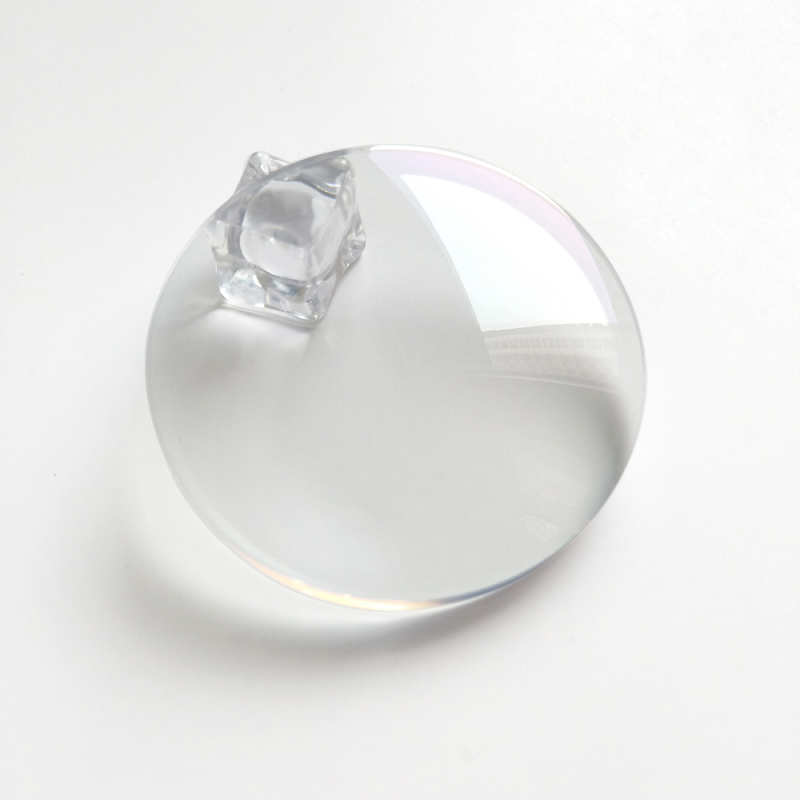
Near Vision Zone: The lower part of the lens embeds a specific curvature amplification area (usually a small flat-round or crescent shape) to provide the required refractive power for close-up viewing.
When the anti-glare performance of a Polarized Lens is combined with a bifocal spatial design, users no longer need to switch frequently between standard reading glasses and sunglasses. Under bright light, looking straight ahead provides a clear view of the distant landscape, while slightly lowering the gaze allows a clear view of close-up charts or electronic screens through the lower segment, greatly enhancing outdoor convenience and safety.
Customized Solutions for Refractive Errors
For outdoor users who have myopia, hyperopia, or astigmatism along with presbyopia, off-the-shelf functional glasses cannot directly meet their complex refractive needs. In such cases, polarized prescription lenses become the ideal customized choice.
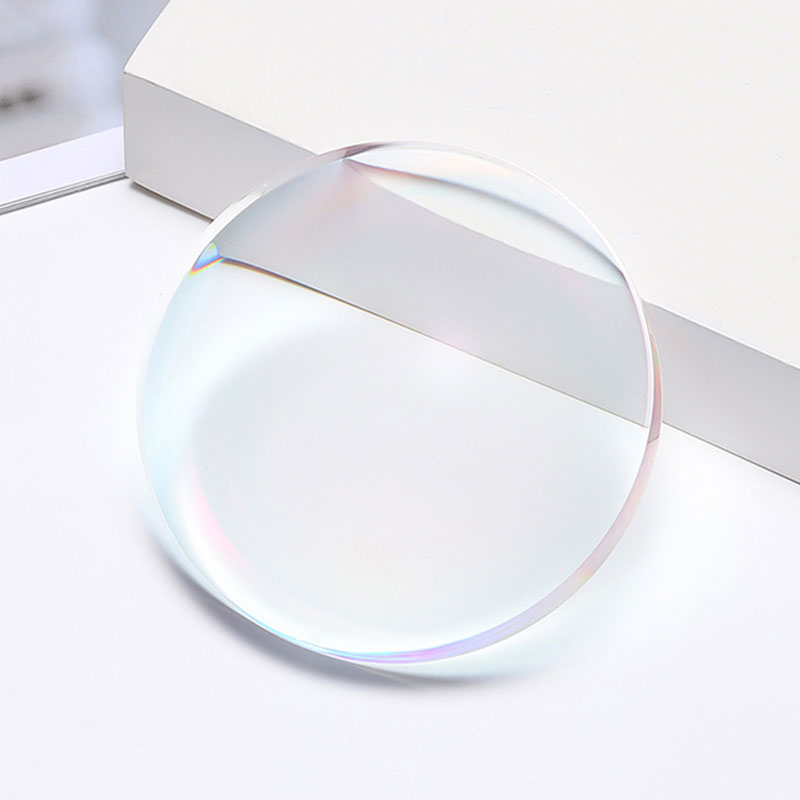
Using high-precision digital freeform processing technology, optometry can precisely engrave a user's unique prescription data (including distance power, near power, and astigmatism axis) onto a polarized lens blank. These customized polarized prescription lenses not only ensure perfect alignment between the visual axis and pupillary distance but also eliminate peripheral aberrations and distortion.
In practical customization, polarized bifocals designed for dual-focal needs have explicit technical parameters. The following table provides a comparison of different lens materials and processes for practical applications:
| Technical Parameter / Feature | Polycarbonate Blank (PC) | High Index Resin Blank (1.61/1.67) | Traditional CR-39 Resin |
|---|---|---|---|
| Polarization Efficiency | 99% or more | 98% or more | 99% or more |
| Impact Resistance | Extremely High (Shatterproof) | Medium | Standard |
| Abbe Value (Clarity) | Around 29 - 32 | Around 32 - 36 | Around 58 (Extremely High) |
| Lens Thickness | Thinner | Extremely Thin | Thicker |
| UV Protection Rate | 100% UVA/UVB | 100% UVA/UVB | Requires Extra UV Coating |
Core Application Scenarios and Problem Solving
Choosing the right polarized bifocals can directly resolve specific visual obstacles in outdoor scenarios:
Driving and Road Safety
When driving in the bright sun, asphalt roads and oncoming windshields generate intense white light reflections. At the same time, drivers must frequently look down at the dashboard or navigation screen. Regular tinted lenses darken the dashboard, making it harder to read. In contrast, dual-focal lenses equipped with a high-quality Polarized Lens eliminate blinding road glare while ensuring the lower viewing zone remains crisp, protecting driving safety.
Water Sports and Fishing
Water surfaces are highly efficient horizontal reflectors. Anglers or boaters without bifocal sunglasses polarized find it difficult to see floats, underwater fish movements, and rigging details. The magnification in the lower vision zone makes fine tasks like tying hooks and threading lines effortless, eliminating the need to take off sunglasses to switch to reading glasses.
Outdoor Hiking and Surveying
During hiking, mountain climbing, or field surveying, sunlight reflecting off rocks and canyon walls interferes with judging terrain. Customized polarized prescription lenses filter out harmful scattered light, enabling users to see the road conditions underfoot while allowing them to precisely read small data on handheld GPS devices, compasses, or maps through the lower reading zone at any time.
Maintenance and Care Specifications for Optical Materials
To extend the lifespan of these high-precision functional lenses and maintain their excellent polarization performance and optical clarity, follow these daily care recommendations:
Avoid High-Temperature Exposure: The polarization layer is a precise structure made of multiple composite materials. Never leave the lenses in a sealed vehicle under the summer sun for long periods to prevent the layers from peeling or warping due to uneven thermal expansion and contraction.
Proper Cleaning Process: If the lens surface gets covered with dust or sand, rinse it with water first, then wash gently with a neutral liquid soap. Finally, use a dedicated microfiber cloth to wipe it dry in a single direction. Avoid dry wiping to prevent tiny particles from scratching the protective hard coating of the Polarized Lens.
Correct Storage: When not in use, always place the glasses inside a hard protective case with the convex side facing upward. Avoid contact with hard objects to prevent localized wear, which could affect the refractive performance of the dual-focal area.