

 Español




Product Introduction
Introduction: Precision Myopia Control Through Digital Surfacing Technology
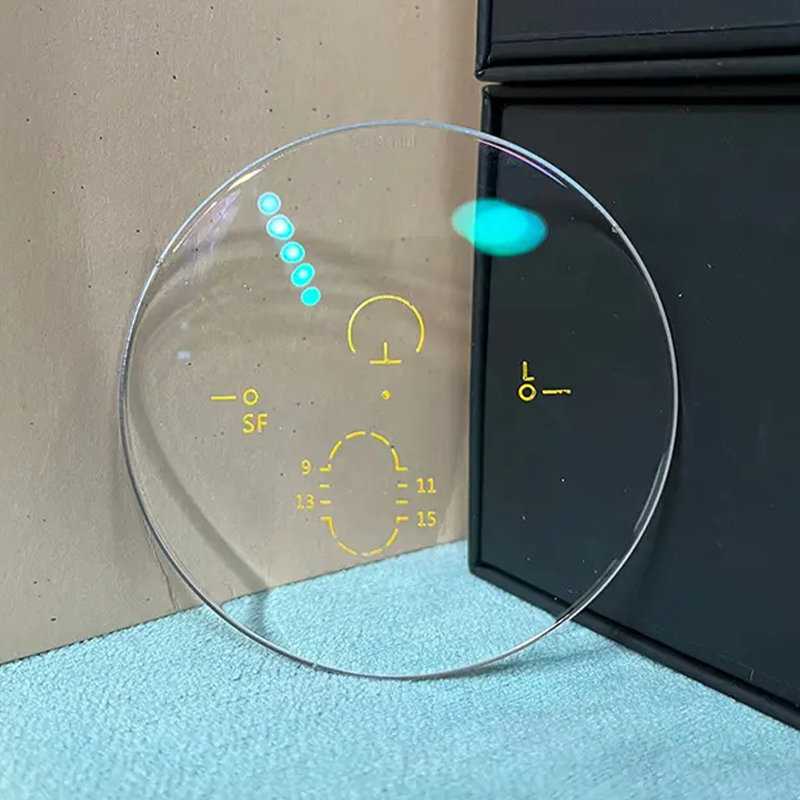
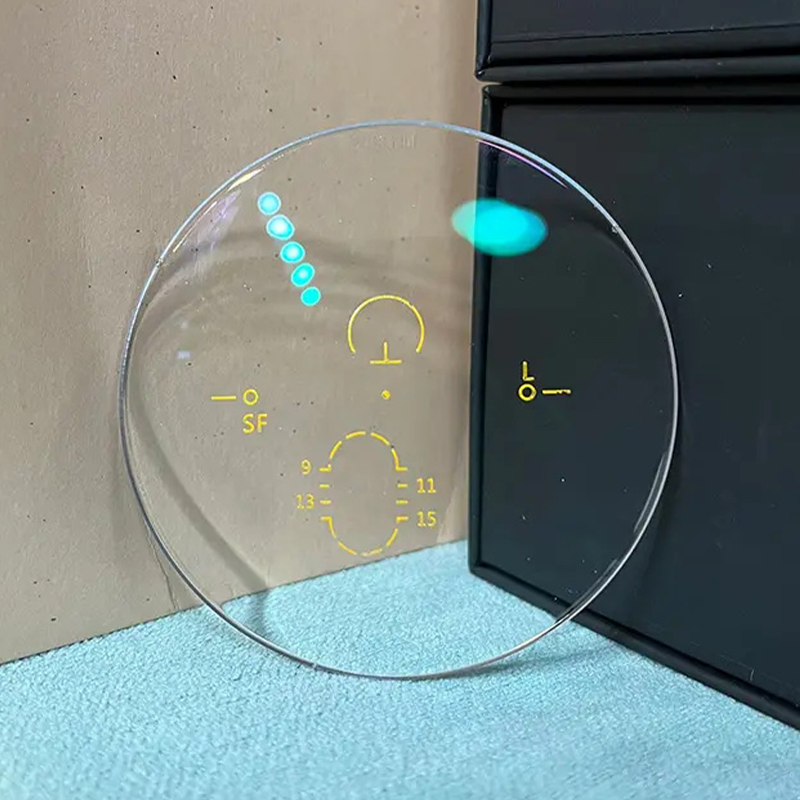
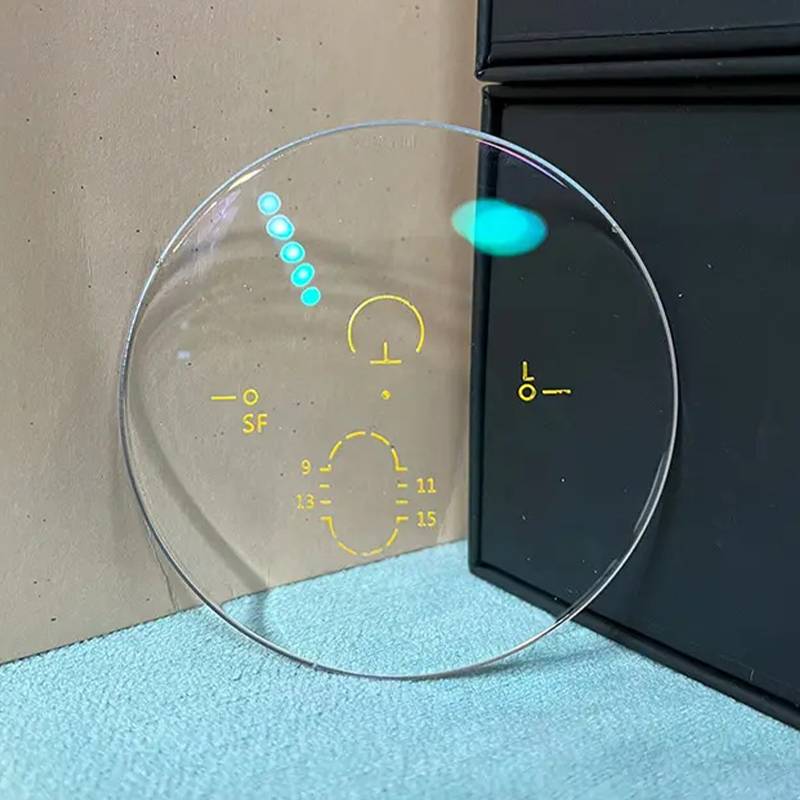
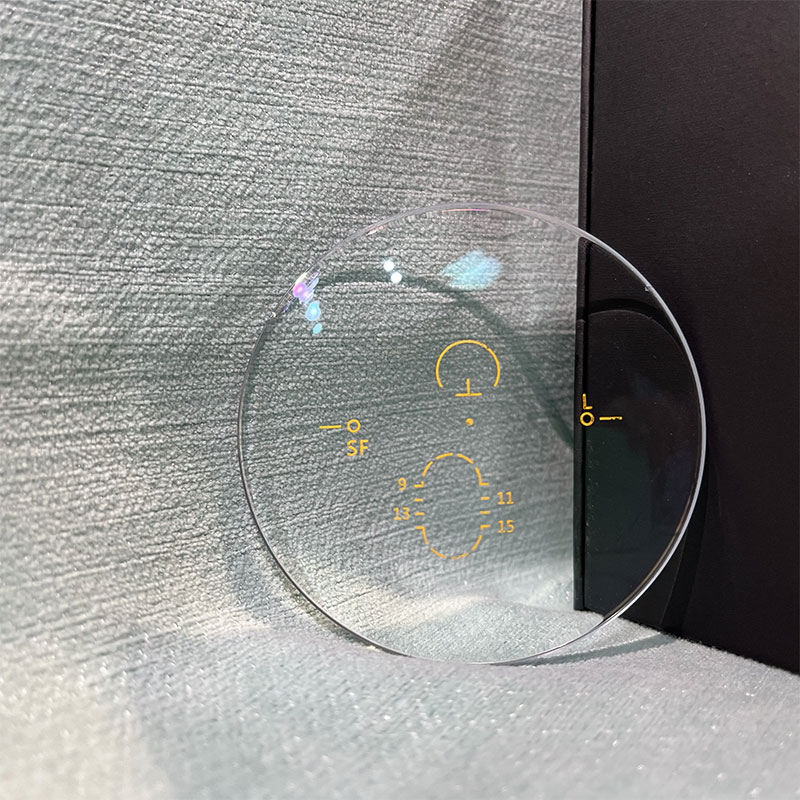
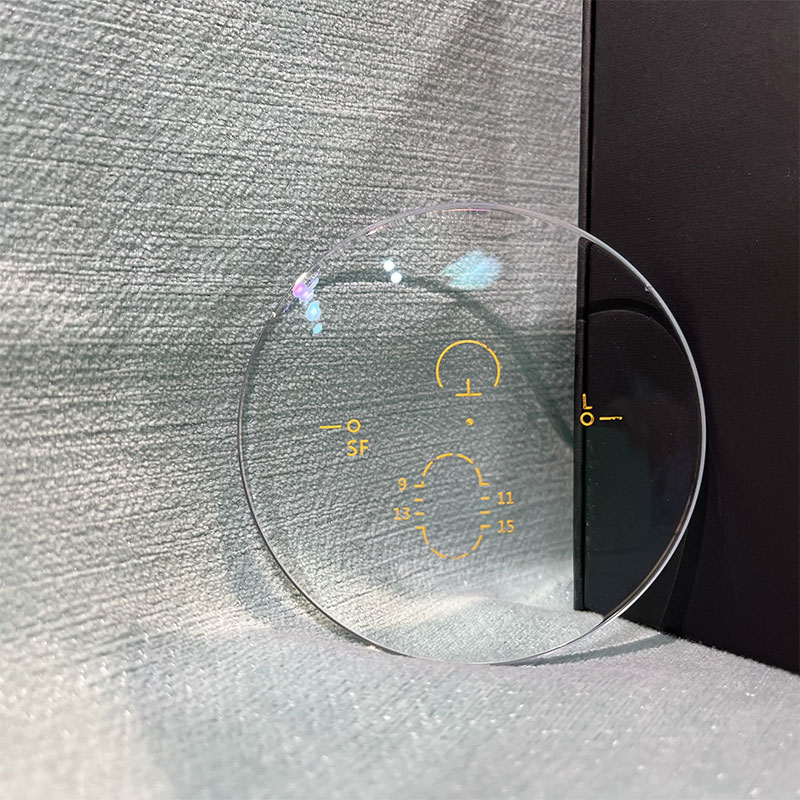
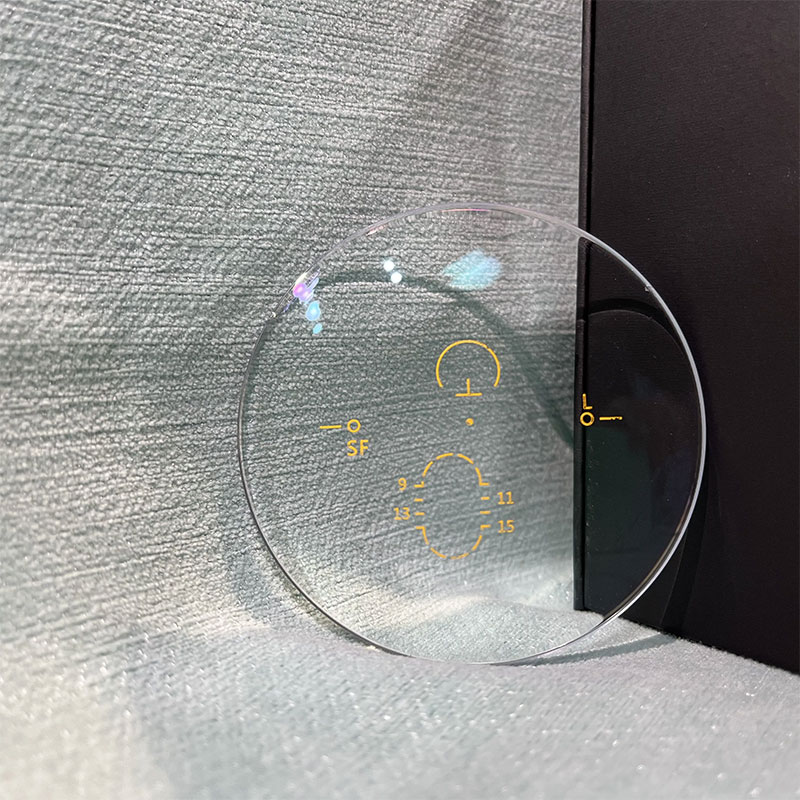
The future of ophthalmic lens production is in digital precision, and our Digital Freeform Myopia Management Lenses exemplify this technological leap. Unlike conventional cast lenses, which rely on fixed molds, freeform technology utilizes highly precise, point-by-point surfacing tools controlled by sophisticated algorithms to grind the lens surface. This allows us to create complex, individualized optical profiles that are simply impossible with traditional methods. For myopia control, this is a game-changer, as it enables the exact placement and power of peripheral defocus zones—the core therapeutic element—with unprecedented accuracy across the back surface of the lens. This optimization is crucial because a more precisely engineered power profile can lead to more consistent and effective control of myopia progression.
Our freeform process takes into account not only the wearer’s prescription but also the real-world wearing parameters, such as the frame tilt (pantoscopic tilt), the distance of the lens from the eye (vertex distance), and the wrap angle of the frame. This results in an Individualized Design that provides the clearest possible central vision while maintaining the therapeutic peripheral defocus critical for myopia management. The lens is essentially customized for the patient’s specific viewing environment and frame choice, minimizing distortion and maximizing visual comfort. This level of personalization is key to patient satisfaction and adherence to the myopia control regimen. Furthermore, the digital surfacing process allows for much smoother transitions between the central clear zone and the peripheral treatment zones compared to older designs, providing the wearer with a superior overall visual experience and reduced adaptation time. By leveraging digital technology, we ensure that every lens produced offers the highest degree of optical fidelity, representing a breakthrough in personalized vision care and reliable therapy for progressive nearsightedness. We commit to utilizing the finest optical resins (e.g., 1.56, 1.60, 1.67) that are compatible with this advanced surfacing technique, guaranteeing premium quality in both design and material.
Specification: Core Technical Parameters
| Technology | Back Surface Digital Freeform Surfacing |
| Index Compatibility | 1.56, 1.60, 1.67, 1.74 (Resin) |
| Design Philosophy | Peripheral Defocus (Integrated) or D.I.M.S. Technology Variants |
| Custom Parameters | Pantoscopic Tilt, Wrap Angle, Vertex Distance Compensation |
| Base Curve Range | Optimized for Freeform Calculation |
| Power Range | Standard Sph/Cyl Rx supported, up to high minus powers |
| Coating Options | High Efficiency HMC, SHMC, Blue Cut, Photochromic |
| Aesthetic Benefit | Thinner, Flatter, and Cosmetically Superior than Conventional Lenses |
Technological Highlights: Digital Precision and Individualization
- Digital Back-Surface Surfacing: Utilizes state-of-the-art freeform generators capable of micron-level precision to surface the complex optical geometry directly onto the back of the lens blank.
- Optimized Myopia Management Algorithm: Employs proprietary software to calculate the optimal peripheral power distribution based on the patient's individual Rx, ensuring maximum therapeutic effect while preserving central vision clarity.
- Wearing Parameter Compensation: The lens design is mathematically adjusted to account for the frame's position (e.g., pantoscopic tilt, vertex distance). This compensation corrects for optical aberrations induced by the frame fit, delivering the intended prescription accuracy at the eye.
- Point-by-Point Refinement: Unlike conventional lenses, which rely on single curves, digital freeform designs are refined across thousands of points on the lens surface, eliminating "hard" transitions and providing smoother power progression into the therapeutic zones.
- Integrated Power Distribution: The therapeutic power profile is seamlessly integrated, ensuring the peripheral defocus is effective yet minimally noticeable to the wearer, aiding in rapid adaptation.
Application: Ideal Usage Scenarios
- Targeted Myopia Control: Essential for programs requiring highly precise and individualized therapeutic lens designs.
- Complex Frame Geometries: Ideal when using frames with higher wrap or unusual tilts, as the design compensates for these variables.
- Patients with Adaptation Difficulties: Personalized parameters lead to reduced distortion and easier adaptation compared to stock lenses.
- High Visual Demand Users: The superior optical clarity provided by freeform technology enhances performance for tasks requiring sharp central vision.
- Premium Vision Solutions: Positioned as the top-tier, custom-fit solution for progressive myopia management.
Advantage: Why Choose Our Digital Freeform Lenses?
- Unparalleled Precision: Digital surfacing allows for the exact placement and power management of therapeutic zones, improving efficacy.
- Personalized Wearing Comfort: The design is compensated for the wearer's unique frame fit, eliminating peripheral distortions and visual strain.
- Superior Visual Acuity: Sharp, clear vision is delivered across the entire central viewing area due to point-by-point optimization.
- Thinner and Lighter Optics: The design optimization results in aesthetically pleasing lenses, particularly for complex prescriptions.
- Maximum Customization: Supports integration of various coatings and materials (High Index, Blue Cut) into a single, custom-made lens.
-
0+
Years' Experience
-
0㎡
Plant Area
-
0+
Exported to Countries
-
0million lenses
Annual Capacity
Customization
Customized For Your
Business
-
01
Complete Customization Capability
-
02
Professional Lens Architecture
-
03
Functional Coating Customization
-
04
Digital Rx Customization
-
05
Branding & Packaging
-
06
Delivery & Support






Frequently Asked Questions (FAQ)
- Q: What does 'Digital Freeform' mean in lens manufacturing?
- A: Digital Freeform is a lens production technique that uses computer-controlled surfacing equipment to grind and polish the lens surface point-by-point, allowing for highly complex, customized, and precise designs on the back surface of the lens.
- Q: How does freeform technology enhance the effectiveness of myopia management?
- A: It allows for the therapeutic peripheral defocus structure to be calculated and positioned with extreme precision, often compensating for how the lens sits in the frame, ensuring the myopia control effect is maintained consistently across the field of view.
- Q: Are these lenses faster to adapt to than traditional progressive lenses?
- A: Yes. Because the lens design is customized to the wearer’s frame and visual needs, the peripheral distortions are minimized, often leading to a much easier and faster adaptation period than standard progressive or therapeutic stock lenses.
- Q: Can the freeform process be applied to any lens index?
- A: It is primarily used with high-quality resin materials (1.56, 1.60, 1.67, 1.74) and certain specialty materials. We select materials that provide the best optical result when surfaced digitally.
- Q: What is 'Wearing Parameter Compensation'?
- A: It means the lens design accounts for the actual physical way the frame sits on the face (tilt, wrap, distance), adjusting the prescription to maintain optimal vision when the wearer looks through the lens, not just when the lens is flat.
- Q: Is there a visual difference between a freeform lens and a conventional lens?
- A: The conventional lens might have thicker edges or greater peripheral distortion, especially for higher powers. The freeform lens is generally flatter, thinner, and provides significantly better clarity in the off-center viewing areas.
- Q: Can I add a Photochromic or Blue Cut feature to a freeform lens?
- A: Absolutely. These features are added either through material composition (for Photochromic) or advanced coating layers, which are fully compatible with the freeform design.
- Q: What information is needed to order a truly personalized freeform lens?
- A: Besides the standard Rx, we need the frame-specific wearing parameters: Pantoscopic Tilt (in degrees), Vertex Distance (in mm), and the Frame Wrap Angle (in degrees).
- Q: How does this premium technology affect the production lead time?
- A: Since these are custom-surfaced, the lead time is slightly longer than stock lenses, typically requiring 10-15 working days, but the result is a superior, personalized product.
- Q: What happens if the patient's prescription changes?
- A: The lens needs to be remade with the new prescription. The freeform lens ensures that the new prescription is applied with the same personalized precision for continued effective therapy.
Payment and Shipping Policy
- Payment Terms: We accept T/T (Telegraphic Transfer), L/C (Letter of Credit), and secure online payment methods. A deposit (e.g., 30%) is typically required to confirm large orders, with the balance due before shipment.
- Shipping Logistics: We facilitate worldwide shipping via reliable carriers (e.g., DHL, FedEx, Ocean Freight). Shipping options are optimized based on urgency and volume. Standard Incoterms are FOB, CIF, or EXW, as per client preference.
- Delivery Assurance: All shipments are securely packaged to prevent damage, meeting stringent export packaging standards. Tracking information and necessary documentation are provided promptly upon dispatch.
Comprehensive Business Information
| Minimum Order Quantity (MOQ) | 20 Pairs (Per Rx) – Reflects the highly customized nature of the product. |
| Lead Time (Standard Order) | 10 - 15 Working Days (Custom Surfacing and Coating). |
| Packaging Method | Individual custom-printed envelopes detailing personalized parameters and product specifications. Secure export cartons. |
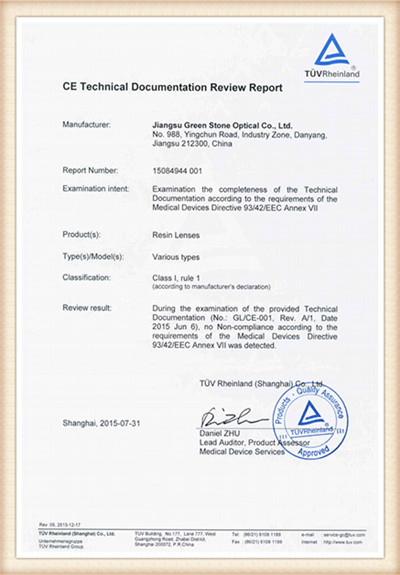
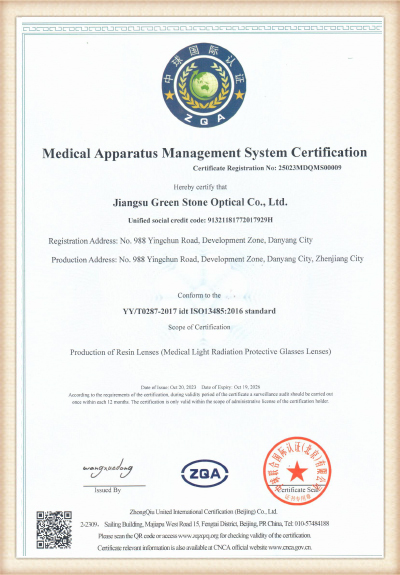
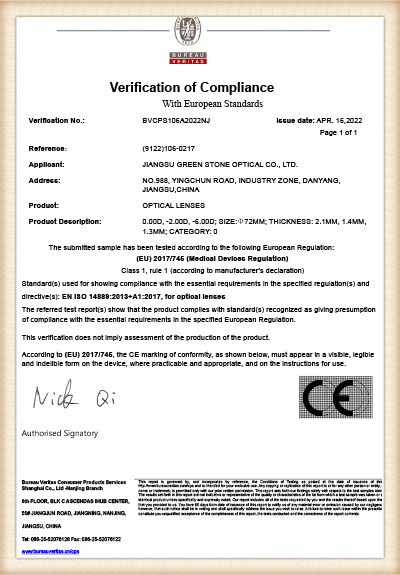
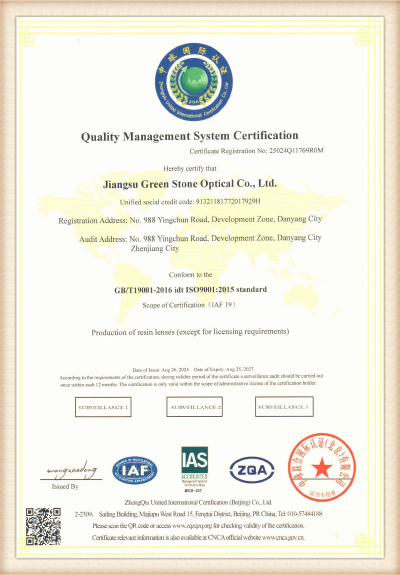
| Certifications & Compliance | CE Mark, FDA Registration, ISO 9001:2015, High Precision Optical Measurement Standards. |
| Raw Materials | Premium Optical Resin (MR-8, MR-7, etc.) compatible with digital surfacing. |
| Customization Options | All index options, Full Rx Range, Custom Wearing Parameter Compensation, Coating options, and Design type (e.g., standard or DIMS). |