

 Español




Product Introduction
Introduction: Comfort, Clarity, and Control with High-Quality Resin Lenses
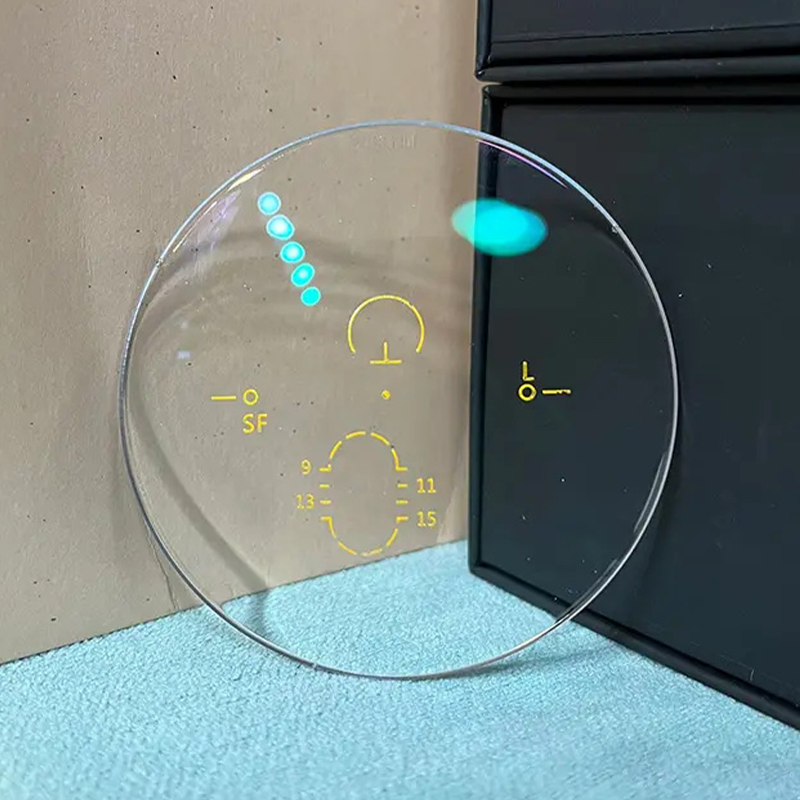
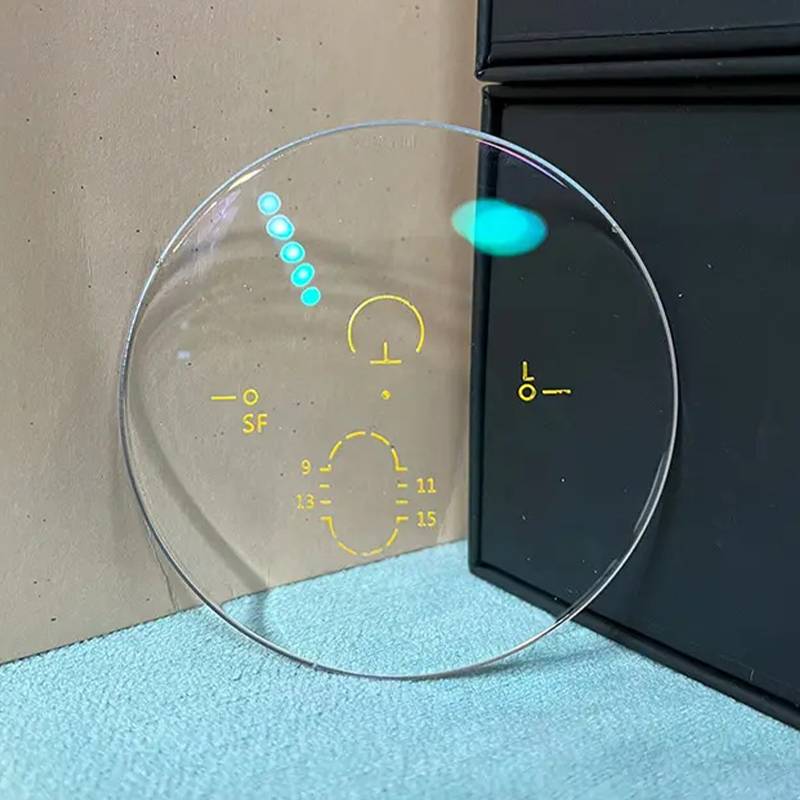
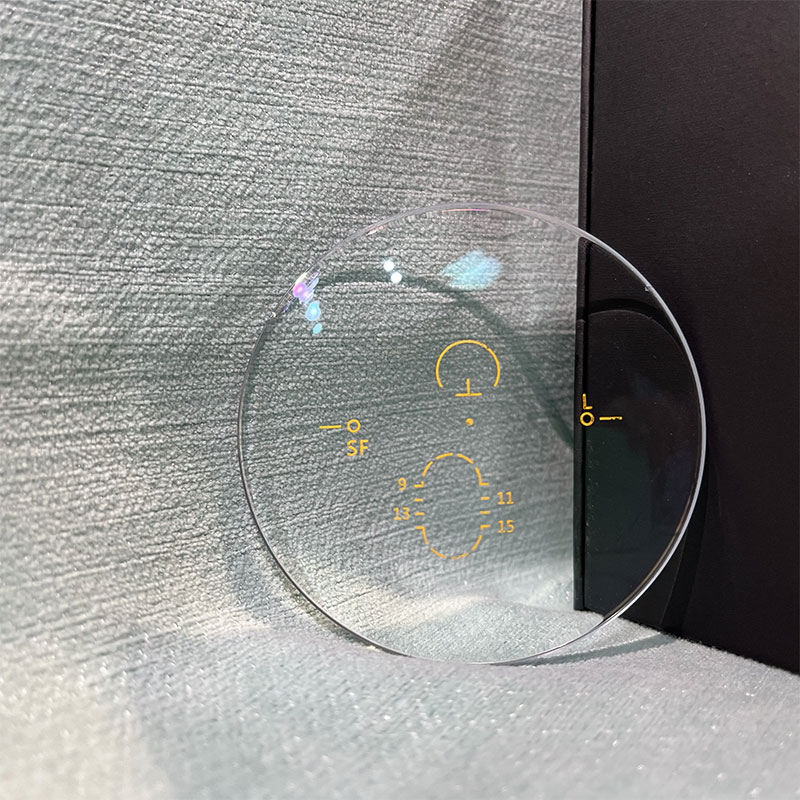
For effective and comfortable long-term vision correction, the material choice is paramount. Our Resin Material Myopia Progression Lenses offer an exceptional balance of optical clarity, light weight, and material durability, making them the most widely prescribed solution for patients focused on slowing the advance of nearsightedness. These lenses are crafted from superior optical resins, such as CR-39 or the higher index MR series, which are renowned for their outstanding Abbe value—a measure of color dispersion. A high Abbe value ensures minimal chromatic aberration (color fringing), resulting in crisp, clear, and high-fidelity vision, particularly in the central viewing field. This clarity is a key differentiator, reducing visual fatigue and ensuring wearer comfort throughout the day.
Our focus on high-grade resin materials ensures that the integrated myopia control technology—whether it be specialized peripheral power profiles or other therapeutic design elements—is consistently and accurately delivered. Resin is inherently easy to coat, allowing for flawless application of our premium multi-coatings (HMC/SHMC) that provide superior anti-reflection, scratch resistance, and hydrophobic (water/smudge repellent) properties. The resulting lens is not only therapeutic but also visually pleasing and robust for everyday use. We offer a full spectrum of refractive indices, from 1.56 to 1.74, enabling practitioners to select the perfect balance between thinness, weight, and price point to meet individual patient needs. By prioritizing the quality of the base resin, we guarantee a stable and uniform substrate that faithfully holds the complex design structure required for effective myopia progression management. This reliability, combined with the excellent optical properties of the material, positions our lenses as a trusted, high-performance option in the specialized field of pediatric and adolescent vision care. We believe that effective therapy should not compromise comfort or clarity, and our resin lenses deliver on all three fronts.
Specification: Core Technical Parameters
| Material Type | Optical Resin (CR-39, MR-7, MR-8, etc.) |
| Refractive Index Options | 1.56, 1.60, 1.67, 1.74 |
| Abbe Value Range | 32 - 58 (Excellent optical clarity) |
| UV Protection | UV380 or UV400 (Index dependent) |
| Design Profile | Specialized Myopia Progression Control Design (Peripheral Defocus) |
| Diameter Range | 65mm – 80mm (Wide range for various cutting needs) |
| Coating Standard | HC / HMC / SHMC (Optional Blue Cut or Photochromic) |
| Key Characteristic | High Optical Clarity and Low Chromatic Aberration |
Technological Highlights: Premium Monomers and Coating Integrity
- High-Purity Monomer Selection: We exclusively use high-performance monomers (e.g., MR-series) to achieve superior tensile strength and optical purity, resulting in excellent clarity and minimal risk of yellowing over time.
- Precision Liquid Casting Process: The lenses are produced via a controlled liquid casting method that ensures uniform material density and refractive index consistency across the entire blank, which is critical for accurate therapeutic power zones.
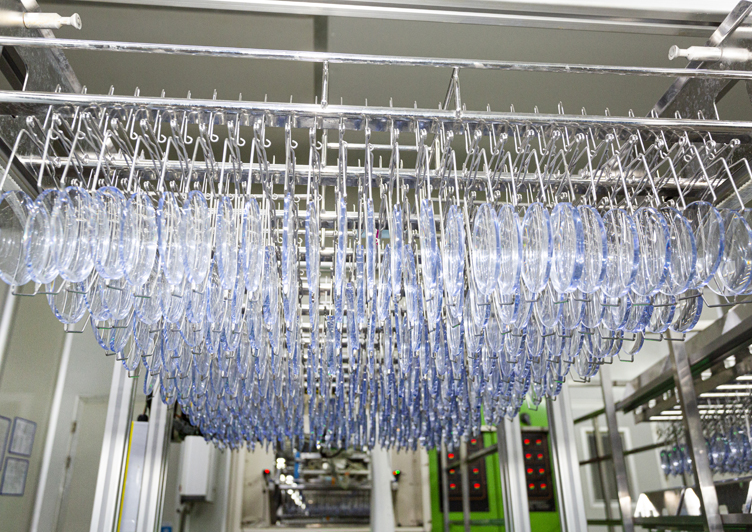
- Advanced Vacuum Multi-Coating (SHMC): Coatings are applied in a high-vacuum chamber, using multiple layers of metallic oxides to create a durable, anti-reflective stack. This process guarantees maximum light transmission and minimal glare.
- Thermal Curing Optimization: A slow and precise thermal curing cycle is employed to maximize the material’s resistance to internal stress, ensuring the finished lens remains stable and optically perfect under varying temperature conditions.
- Integrated Peripheral Defocus Geometry: The therapeutic design is engineered into the mold itself for cast lenses, or applied via digital surfacing for semi-finished blanks, guaranteeing the accuracy and consistency of the myopia control zone geometry.
Application: Ideal Usage Scenarios
- Standard Myopia Control Therapy: The most common and effective material base for managing progressive nearsightedness in children and teens.
- Visual Clarity Priority: Excellent choice for patients who are sensitive to color fringing or require high visual fidelity.
- General Daily Wear: Lightweight and comfortable for prolonged, everyday use in school and leisure activities.
- Integrated Lens Options: Ideal substrate for applying various functional coatings such as Blue Cut, for digital device protection.
- Economy and Performance Balance: Offers a cost-effective, high-performance solution across all index options.
Advantage: Why Choose Our Resin Myopia Lenses?
- Superior Optical Clarity (High Abbe): Minimizes color fringing and distortion, providing a visually comfortable and natural experience.
- Lightweight and Comfortable: Excellent density-to-strength ratio results in a lens that is pleasant to wear for extended periods.
- Ideal for Coating Application: Resin material allows for a perfect, durable bond with anti-reflective and anti-scratch coatings (SHMC).
- Versatile Index Selection: Available in indices from 1.56 to 1.74, enabling precise weight/thinness control based on prescription and budget.
- Consistent Therapeutic Efficacy: The stable material composition reliably supports the complex optical structure required for effective myopia control.
-
0+
Years' Experience
-
0㎡
Plant Area
-
0+
Exported to Countries
-
0million lenses
Annual Capacity
Customization
Customized For Your
Business
-
01
Complete Customization Capability
-
02
Professional Lens Architecture
-
03
Functional Coating Customization
-
04
Digital Rx Customization
-
05
Branding & Packaging
-
06
Delivery & Support






Frequently Asked Questions (FAQ)
- Q: What is the main difference between your standard Resin Lenses and Polycarbonate Lenses?
- A: The main difference is impact resistance. Polycarbonate offers superior impact protection (better for sports), while high-quality Resin (e.g., MR series) generally offers superior optical quality (higher Abbe value) and less chromatic aberration.
- Q: Can these resin lenses block UV rays?
- A: Yes, depending on the index. Our high-index resins (1.60 and above) inherently block UV400, while others are treated to provide UV protection up to 380nm or 400nm.
- Q: Which index is most commonly used for myopia progression lenses?
- A: Indices 1.56 and 1.60 are the most common, as they offer an excellent balance of cost, thinness, and optical clarity for typical prescriptions in children and adolescents.
- Q: What does a high Abbe Value signify for the wearer?
- A: A high Abbe value means the lens disperses light less, reducing a phenomenon called chromatic aberration (color fringing). This results in sharper, more natural, and visually comfortable vision, especially off-center.
- Q: Are the myopia control features applied consistently across all resin indices?
- A: Yes. The therapeutic design, which creates the specialized power profile, is accurately incorporated into the lens manufacturing process for every available resin index, ensuring consistent clinical efficacy.
- Q: Do these lenses require a special frame for effective myopia control?
- A: No, they work with standard full-rim or half-rim frames. However, proper fitting and a frame that keeps the lens correctly centered in front of the eye are crucial for maximizing the therapeutic effect.
- Q: Can I get these lenses with an Anti-Fatigue feature?
- A: Yes, the myopia control design itself acts as a form of anti-fatigue by managing accommodative demand. Furthermore, we can integrate a slight add power for near work for older teens if prescribed.
- Q: How long does the anti-scratch coating typically last?
- A: Our Super Hard Multi-Coating (SHMC) is designed for long-term durability, often lasting the lifespan of the prescription (1-2 years) under normal cleaning and care. It significantly enhances the lens's resistance to daily wear and tear.
- Q: What is the minimum thickness you can achieve with a 1.74 index resin lens?
- A: For a 1.74 index, we can achieve an ultra-thin center thickness (e.g., around 1.0mm) for high minus powers, providing the most aesthetically pleasing result possible with resin material.
- Q: Are the raw materials sourced responsibly?
- A: We exclusively use high-quality, certified optical resins from major global suppliers, adhering to strict environmental and ethical standards in our material sourcing and production processes.
Payment and Shipping Policy
- Payment Terms: We accept T/T (Telegraphic Transfer), L/C (Letter of Credit), and secure online payment methods. A deposit (e.g., 30%) is typically required to confirm large orders, with the balance due before shipment.
- Shipping Logistics: We facilitate worldwide shipping via reliable carriers (e.g., DHL, FedEx, Ocean Freight). Shipping options are optimized based on urgency and volume. Standard Incoterms are FOB, CIF, or EXW, as per client preference.
- Delivery Assurance: All shipments are securely packaged to prevent damage, meeting stringent export packaging standards. Tracking information and necessary documentation are provided promptly upon dispatch.
Comprehensive Business Information
| Minimum Order Quantity (MOQ) | 100 Pairs (Finished Stock Lenses) / 200 Pairs (Semi-Finished Blanks) per Base Curve/Diameter combination. |
| Lead Time (Standard Order) | 5 - 7 Working Days (Standard Stock Lenses) / 10 - 15 Working Days (Custom Rx or Complex Coating). |
| Packaging Method | Standard: Individual envelope packaging with product data. Bulk: Protective inner boxes and secured export cartons suitable for international freight. |
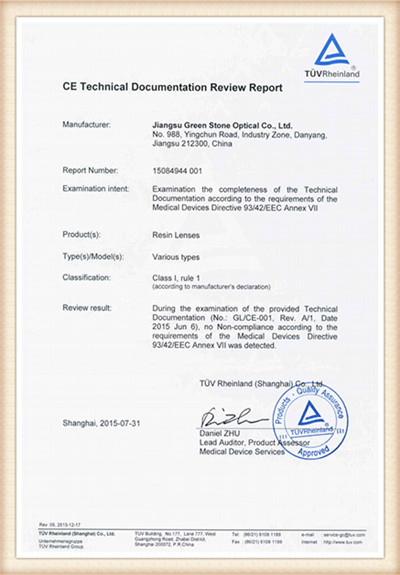
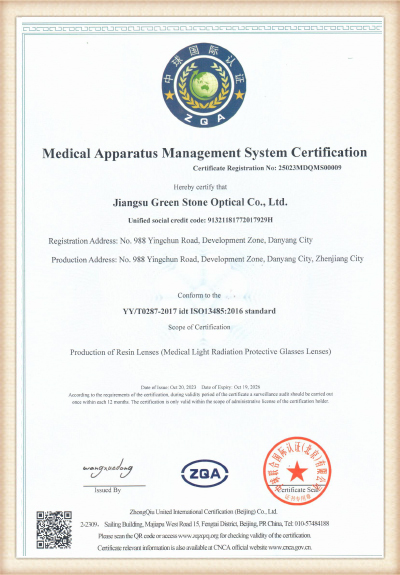
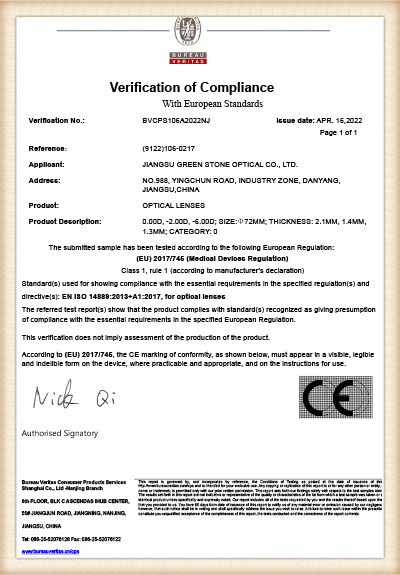
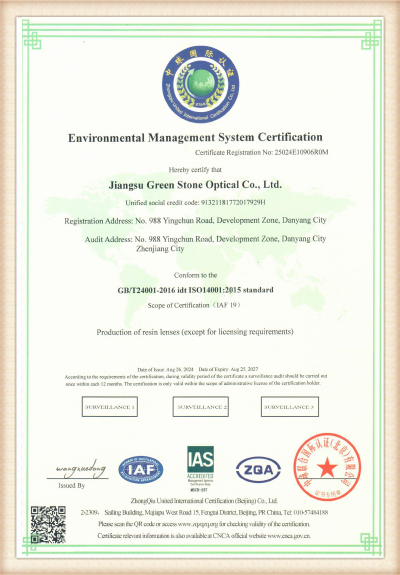
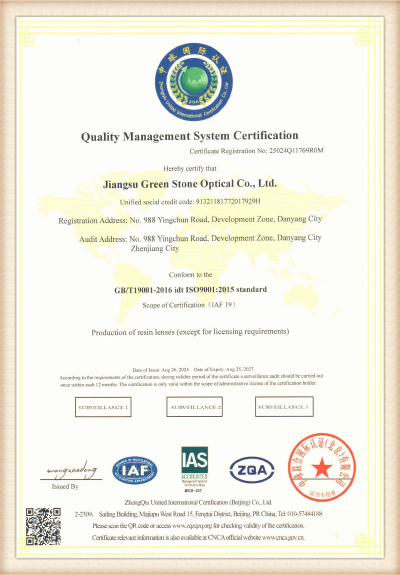
| Certifications & Compliance | CE Mark, FDA Registration, ISO 9001:2015 (Quality), ISO 14001:2015 (Environmental). |
| Raw Materials | High-Quality Monomers (e.g., Allyl Diglycol Carbonate - CR-39, or high-index polyurethanes). |
| Customization Options | All index options, Coating Combinations (Blue Cut, SHMC, Photochromic), Design Profiles, Diameter/Base Curve. |